Wh-Questions for Kids: A Step-by-Step Guide
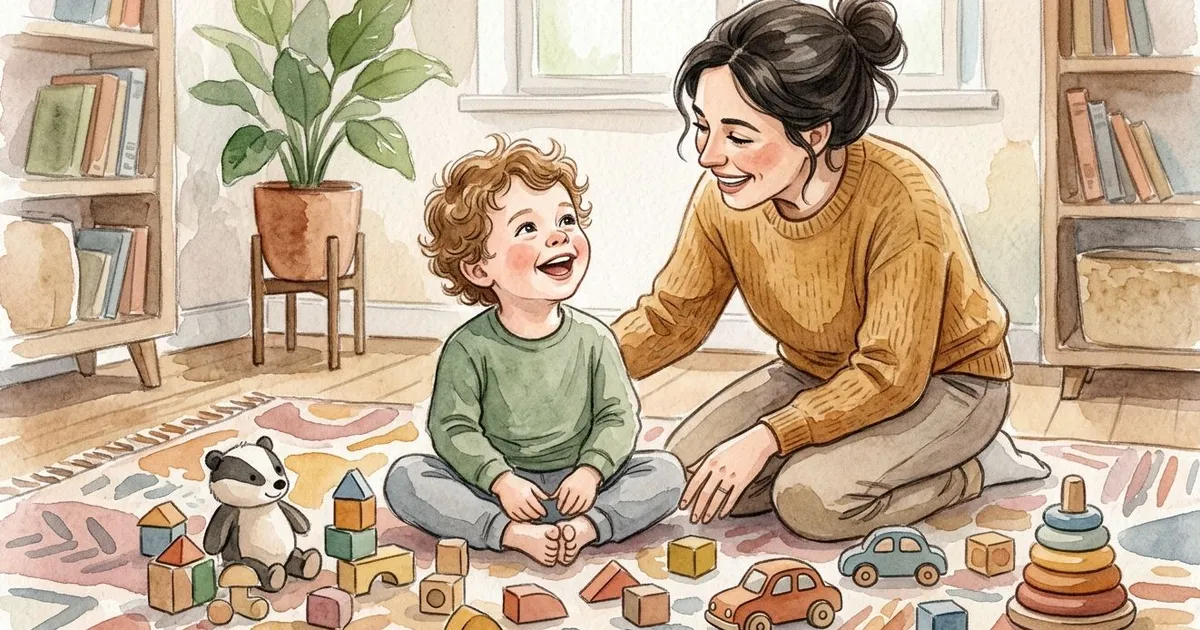
Questions fuel learning, speech, curiosity, and world knowledge. Kids ask with Wh-words: 'Who,' 'What,' 'Where,' 'When,' 'Why,' and 'How,' or begin with auxiliaries such as 'Is,' 'Are,' 'Do,' and 'Did' for Yes/No answers. Mastering these question types helps children speak clearly, gather information, and join daily conversations with growing confidence. Mastering Questions: A Simple Guide for Kids to Ask Anything! gives parents simple home support.
📥 Wh-Question Word Cards
Build questions step by step with kid-friendly words, prompts, and a weekly practice tracker.
Leave your email — we'll send the PDF to your inbox.No spam — the PDF plus one short reminder. Unsubscribe anytime.
What Are Wh-Words and Why Are They Important for Kids?
Wh-words ask for specific information: 'Who,' 'What,' 'Where,' 'When,' 'Why,' and 'How.' 'Which' sometimes joins them too. These words open conversations about people, things, places, times, reasons, choices, and methods.
A child spotting a new toy might ask, 'What is that?' A child meeting a new person asks, 'Who is that?' Learning these helps kids explore their helps children notice surroundings and express curiosity through words. They move from pointing and guessing toward real understanding. This sits at the heart of Mastering Questions: A Simple Guide for Kids to Ask Anything!: children match each question word with the information they want.
💡 Key Idea

Wh-words work as tools for specific details about something or someone. For parents, Mastering Questions: A Simple Guide for Kids to Ask Anything! works best through short, visual, weekly practice.
How to Use Each Wh-Word Simply
Let's break down each Wh-word with simple explanations and kid-friendly examples.
- Who: Use 'Who' for people.
Sentence Structure: Who + helping verb + subject + main verb?
Examples:
Who is your teacher?
Who is playing outside?
Who likes ice cream? - What: Use 'What' for things, ideas, or actions.
Sentence Structure: What + auxiliary + subject + action word?
Examples:
What is that sound?
What are you drawing?
What happened next? - Where: Use 'Where' for places.
Sentence Structure: Where + helping word + subject + action?
Examples:
Where is the park?
Where did you put my book?
Where are we going? - When: Use 'When' for time.
Sentence Structure: When + auxiliary + subject + action word?
Examples:
When is your birthday?
When will we eat dinner?
When does school start? - Why: Use 'Why' for reasons. Answers often start with 'Because.'
Sentence Structure: Why + helping word + subject + action?
Examples:
Why are you happy?
Why did the bell ring?
Why do birds sing? - How: Use 'How' for method, condition, or amount/degree questions.
Sentence Structure: How + auxiliary + subject + predicate?
Examples:
How do you make a cake?
How was your day?
How tall are you?
Understanding Yes/No Questions
Yes/No questions feel simpler: the answer is 'Yes' or 'No.' They usually start with a helping word: 'is,' 'are,' 'do,' 'does,' 'did,' 'can,' or 'will.' For parents, Mastering Questions: A Simple Guide for Kids to Ask Anything! works best through short, visual, weekly practice.
Example: 'Is it raining?' Answer: 'Yes, it is' or 'No, it isn't.' These questions help children check facts, confirm choices, and join simple conversations. They serve as early communication tools and everyday conversations. In Mastering Questions: A Simple Guide for Kids to Ask Anything!, Yes/No questions become the first step toward longer, more detailed questions.
💡 Key Idea
Yes/No questions confirm information with a simple 'Yes' or 'No' answer. For parents, Mastering Questions: A Simple Guide for Kids to Ask Anything! works best through short, visual, weekly practice.
How to Form Yes/No Questions
Yes/No questions change statement word order. Move the auxiliary first; keep subject and main action after it.
- Using 'to be' forms (is, are, am):
Statement: He is happy.
Question: Is he happy?
Statement: They are friends.
Question: Are they friends? - Using 'do' helpers (do, does, did):
Statement: You like apples.
Question: Do you like apples?
Statement: She plays soccer.
Question: Does she play soccer?
Statement: He saw the movie.
Question: Did he see the movie? - Using Modal auxiliaries (can, will, should):
Statement: I can sing.
Question: Can you sing?
Statement: We will go.
Question: Will we go?
Common Mistakes When Asking Questions and How to Fix Them
Kids often make common question mistakes. Parents and teachers can guide better by listening for three patterns: wrong question word, missing helper, or statement word order used as a question.
Step-by-Step Learning Progression for Different Age Groups
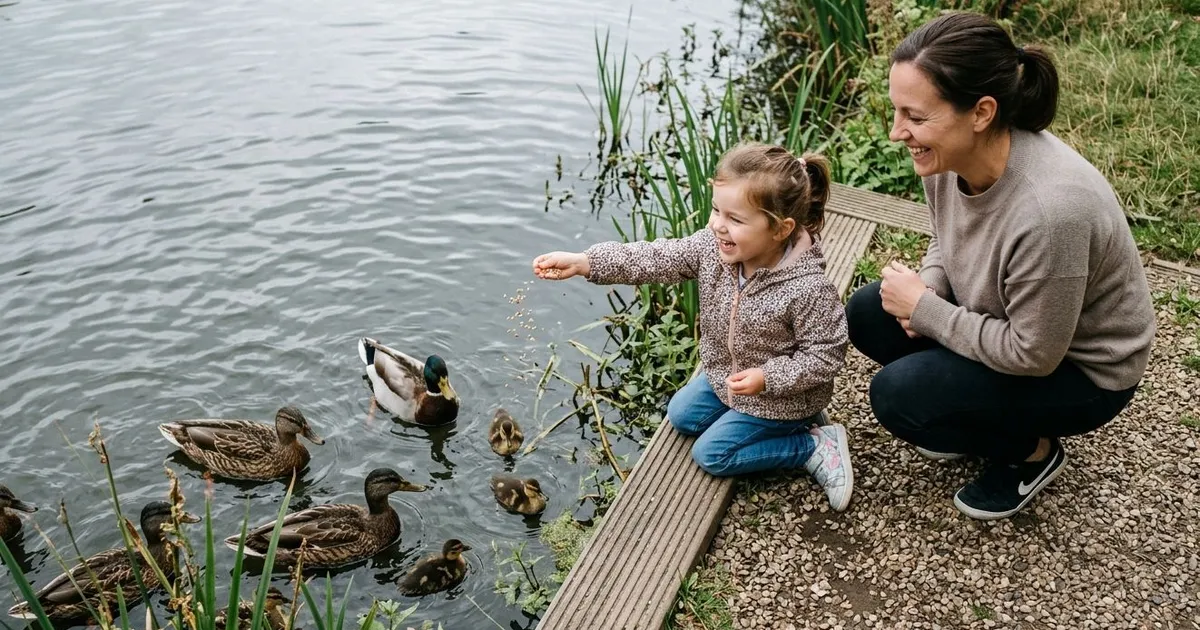
Question teaching works best when matched with a child's age, confidence, and learning stage. This progression moves from listening and recognition toward guided practice, freer speaking, and feedback. It keeps Mastering Questions: A Simple Guide for Kids to Ask Anything! practical for children ages 4-15, with easy prompts for younger learners and richer conversation tasks for older learners.
1. Input (school-age kids)
Start with listening and simple recognition. Use picture books, songs, and real-life situations to expose children to questions. Point to an object: 'What is this?' Point to a person: 'Who is this?' During snack time, ask, 'Do you want an apple?' Short, repeated questions connect form with meaning.
- Activity: 'Question Time' with flashcards. Show a card (e.g., an apple). Ask, 'What is this?' or 'Is this a banana?' Encourage a simple answer or nod/shake head.
2. Controlled Practice (school-age kids)
After children grasp the basic concept, they can build simple guided questions. Structured exercises usually have one correct answer. That lowers guessing and helps children notice patterns: 'Who' for people, 'Where' for places, and 'When' for time.
- Activity: Matching games. Provide Wh-words on one side and potential answers (e.g., 'Who' → 'My mom'; 'Where' → 'The school'). Or, fill-in-the-blank questions: '__ is your favorite color?'
3. Semi-Controlled Practice (school-age kids)
At this stage, children create questions with more freedom inside a clear context. They start understanding sentence structure more deeply, including how to form present simple questions. Parents can give a topic, role, or picture, then ask the child for three questions about it.
- Activity: 'Ask the Expert.' Give a child a specific role (e.g., a zookeeper). Others ask them questions using Wh-words or Yes/No questions about their role.
4. Free Production (All Ages with Adaptation)
The goal: natural conversation. This stage invites creative question use in real or pretend situations without strict rules. Younger children can ask one-word or short questions; older children can ask follow-up questions, compare answers, and explain why they asked.
- Activity: Role-play a doctor's visit or a trip to a store. Encourage children to ask questions to gather information, make requests, or express confusion.
5. Feedback (Ongoing)
Give gentle correction plus positive reinforcement. If a child asks 'What you doing?', say, 'Are you asking, 'What are you doing?' Excellent question!' This keeps conversation warm while giving the correct model. Over time, children internalize forms through meaningful moments, not only worksheets.
🔤 Task: Look at the image above and complete the tasks using only what you can clearly see.
1. Fill in the gaps with the correct words.
a) _______ is decorating the cake?
b) _______ is the dog sitting?
c) _______ is the parent doing?
2. Choose the correct option (A/B).
a) Is the parent baking? (A) Yes, they are. (B) No, they aren't.
b) Are there fruit on the island? (A) Yes, there are. (B) No, there aren't.
3. Correct the mistakes in the sentences.
a) What is the dog name?
b) Why the parent is laughing?
Conclusion
Teaching children Wh-words and Yes/No question structures builds stronger communication. With clear examples, age-appropriate activities, and gentle practice, parents help young learners become confident question-askers. Children can seek information, express curiosity, solve small problems, and engage more deeply with everyday life. Practice, patience, and positive reinforcement matter most. Mastering Questions: A Simple Guide for Kids to Ask Anything! works best when questions become daily family habits: at the table, during reading, on walks, and in play.
- Try three open-ended questions during dinner with your 6-year-old tonight.
- Read one picture book and pause twice for curiosity questions.
- Practice turning one yes-or-no question into a how or why question.
- Use a question jar with five simple prompts for bedtime talk.
- Praise one thoughtful question before answering to encourage confident curiosity.
When a word has several meanings or pronunciations, Cambridge Dictionary is a useful check before turning it into child-friendly examples.
Start your child's English journey today — — book a trial lesson with LearnLink.
Stay updated on our latest tips and resources by following us on Instagram LearnLink.