Past Simple Exercises for Kids
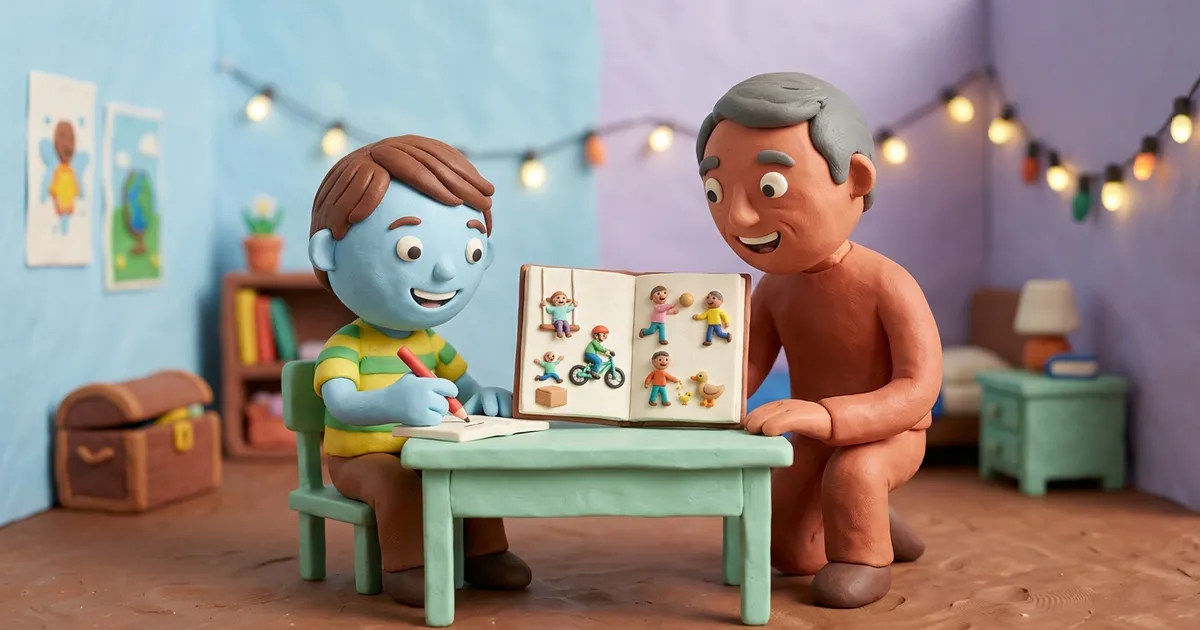
The Past Simple describes completed actions and events. Past Simple Exercises for Kids: A Practical Guide teaches regular and irregular verbs through familiar events: “I ate toast,” “We played outside,” or “She visited her grandmother.” Begin with spoken examples, then use short written tasks with one goal.
📥 Past Simple Exercises for Kids
Learn the rules, practise the tense, and check your work independently.
Leave your email — we'll send the PDF to your inbox.No spam — the PDF plus one short reminder. Unsubscribe anytime.
What Children Need to Understand First
Teach finished time before grammar terms. Draw a timeline with “now” at one end and “yesterday” behind it. Explain that the Past Simple marks completed events. Add time phrases such as yesterday, last night, two days ago, and in 2025.
Past Simple Exercises for Kids: A Practical Guide should begin with meaningful examples. Compare “I play football every Saturday” with “I played football last Saturday.” The first describes a routine; the second, one finished event. Ask your child which sentence belongs in the past.
Start with positive sentences and familiar verbs. Add negatives after the child understands the meaning, then introduce questions. This sequence isolates each change.
How the Tense Works
Positive sentences follow the pattern: subject + past-tense verb. Regular verbs take -ed; irregular verbs change differently. The verb stays the same for every subject: “I played,” “she played,” and “they played.”
Questions and negatives use did plus the base verb. Say “Did he walk?” and “He did not walk,” not “Did he walked?” Past Simple Exercises for Kids: A Practical Guide repeats this contrast because it causes frequent errors.
Regular and Irregular Verb Rules
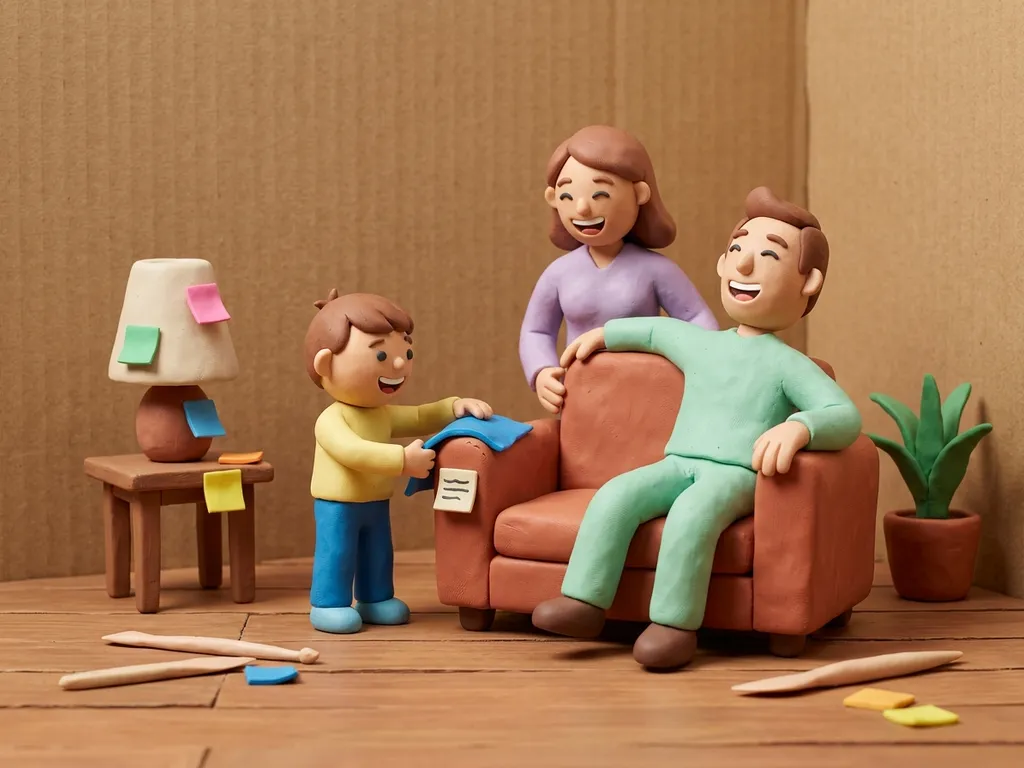
For regular verbs, add -ed: play becomes played, clean becomes cleaned, and visit becomes visited. If a verb ends in e, add only -d: live becomes lived. For consonant + y, change the y to i and add -ed: carry becomes carried.
Short verbs may double their final consonant: stop becomes stopped and plan becomes planned. Teach these spelling patterns in small groups. Past Simple Exercises for Kids: A Practical Guide pairs each pattern with a sentence, developing spelling and meaning together.
Teach irregular verbs in context, not as an isolated list. Useful pairs include go–went, see–saw, eat–ate, have–had, make–made, take–took, and come–came. Practise three or four at a time. Ask the child to say, write, and use each verb in a question.
Common Mistakes and How to Correct Them
Children may add a past ending after did: “Did you played?” Ask the child to circle did. The next verb must use its base form: “Did you play?” Apply the same check to negatives: “We didn’t go,” not “We didn’t went.”
Children may overapply the regular rule with “goed” or “eated.” They understand that English marks the past, but chose the wrong form. Supply the correct verb in a full sentence, then ask the child to repeat it: “Yes, you went to the park.”
Time phrases strengthen past meaning for beginners. Expand “She visited her cousin” with “last Sunday” or “two weeks ago.” Correct only the error linked to the exercise goal.
Practice Activities with Answers
Past Simple Exercises for Kids: A Practical Guide should progress from choosing the correct verb to building a sentence. Let your child answer aloud before writing to separate tense knowledge from spelling.
Keep each round short. Younger children can complete three or four items, move, and return later. Older children can explain each answer. In online lessons with LearnLink tutors, activities can be adjusted to the learner’s age, interests, and language level.
Exercise 1: Complete the Sentences
Write the correct past verb.
1. We ______ (walk) to the library yesterday.
2. My brother ______ (eat) an apple.
3. I ______ (finish) my book last night.
4. They ______ (go) home after lunch.
5. You ______ (carry) the small bag.
Answers: 1. walked; 2. ate; 3. finished; 4. went; 5. carried.
Exercise 2: Change Each Sentence
Make each positive sentence negative.
1. She watched the match.
2. We saw a rainbow.
3. He made a sandwich.
4. I opened the window.
Answers: 1. She did not watch the match. 2. We did not see a rainbow. 3. He did not make a sandwich. 4. I did not open the window.
Exercise 3: Build Questions and Short Answers
Put the words in order, then give a true short answer.
1. you / did / breakfast / eat /?
2. yesterday / did / read / you /?
3. your family / travel / did / last year /?
4. did / play / you / outside /?
Questions: 1. Did you eat breakfast? 2. Did you read yesterday? 3. Did your family travel last year? 4. Did you play outside?
Short-answer models: Yes, I did. / No, I did not.
Adapting Practice for Different Ages
Use pictures, actions, and spoken choices. Show two pictures and ask, “Did the child jump or sleep?” Accept one word, then model the full sentence. For writing, match present and past verbs.
For school-age kids, use short diary entries, picture sequences, and sentence changes. Ask for three events from yesterday. Past Simple Exercises for Kids: A Practical Guide can become a family interview: “What did you eat?” “Where did you go?” “What did you watch?”
Older learners can write a short account, check verb choices, and add questions for a partner. Compare the Past Simple with nearby tenses: “I played” describes a finished event, while “I was playing” describes an action in progress at a past moment. Keep the task tied to meaning, not labels.
- Try five picture cards with children aged six to eight today.
- Practice ten Past Simple sentences with learners aged nine to eleven.
- Use one familiar storybook to highlight regular verbs for younger readers.
- Challenge teenagers to rewrite eight present-tense sentences in the Past Simple.
- Review answers aloud, then repeat three difficult verbs using a memory game.
When a word has several meanings or pronunciations, Cambridge Dictionary is a useful check before turning it into child-friendly examples.
Frequently Asked Questions
When Should a Child Start Learning the Past Simple?
A child can begin after learning familiar actions and the difference between now and before. Do not wait for a set school year. Start with “We walked” and “I ate.” Past Simple Exercises for Kids: A Practical Guide works best when the child knows the base verbs in each activity.
How Many Irregular Verbs Should a Child Learn at Once?
Three to five new pairs suit one short session. Choose verbs used at home or school, such as go–went, see–saw, and have–had. Reuse them for several days in statements, negatives, and questions. Long lists test memory but provide little sentence-building practice.
Should Parents Correct Every Past Simple Mistake?
No. Correct the mistake tied to the task. When practising did, focus on the following base verb. When practising irregular verbs, leave minor punctuation for later. Give the correct sentence calmly and ask your child to repeat it once. Excessive correction turns speaking into a test.
What Is the Difference Between “Did Not” and “Didn’t”?
They mean the same thing. “Did not” is the full form; “didn’t” is the contraction used in speech and informal writing. Teach both forms. Each takes the base verb: “She did not come” and “She didn’t come.”
How Can a Multilingual Child Practise Without Translating Everything?
Use pictures, gestures, timelines, and daily events. Ask the child to point, act, choose, or draw before answering aloud. Translation can explain a difficult instruction, but connect each English sentence directly to its meaning. Other languages may help the child compare ways of expressing past time.
Use these steps in the next practice session:
- Start with three familiar verbs and one finished-time phrase.
- Practise positive sentences before adding negatives and questions.
- Check that every verb after did returns to its base version.
Start your child's English journey today — book a trial lesson with LearnLink.
Stay updated on our latest tips and resources by following us on Instagram LearnLink.