Why English Is a Global Language for Kids
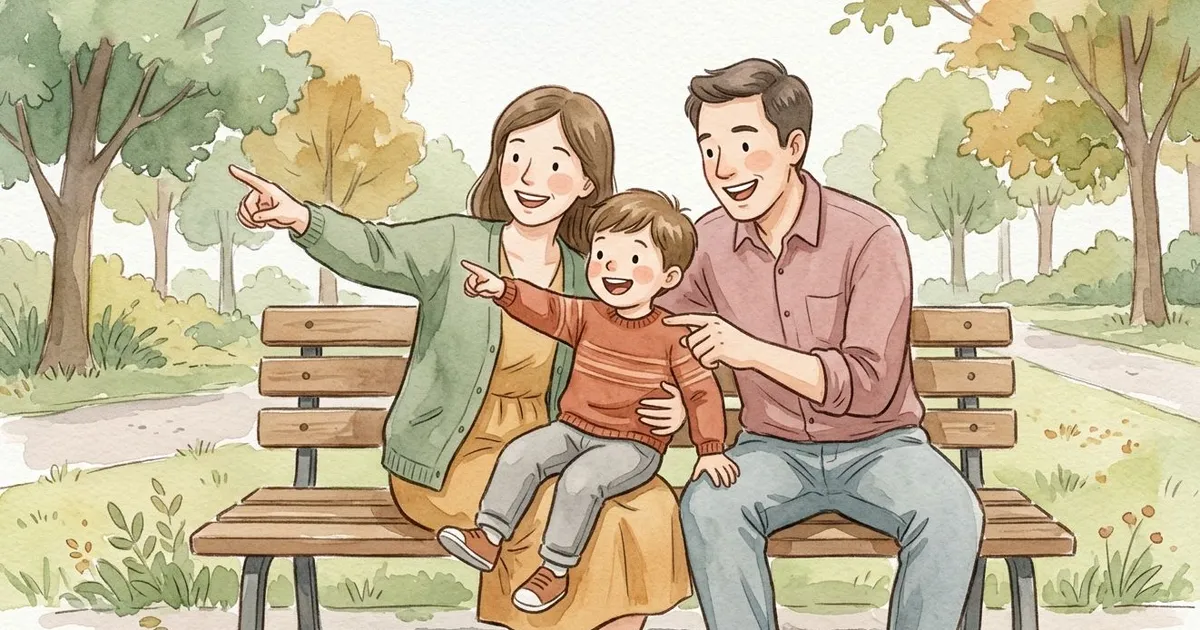
English appears in school materials, travel signs, children’s media, games, science, and family communication, so Why English Is a Global Language for Kids is a practical question for homes. For children, “global” means concrete contact: a cartoon, a screen, a cousin abroad, or a school project. A child does not need perfect English. They need steady contact, accurate words, kind correction, and chances to use English for meaning.
📥 Global English Phrase Cards for Kids
Useful words and mini-phrases children can notice, say, and practice in everyday global situations.
Leave your email — we'll send the PDF to your inbox.No spam — the PDF plus one short reminder. Unsubscribe anytime.
What Families Need to Know First
English spread through trade, science, technology, travel, and media. For a child, the point is direct: English often acts as a shared bridge when people have different first languages. That can matter in class, on holiday, in online games, or in app instructions.
Why English Is a Global Language for Kids is not about replacing a child’s home language. Strong first-language skills help children learn more. A bilingual or multilingual child can compare sounds, words, and grammar across languages. Parents can support English and protect the language of family stories, grandparents, and daily life.
The goal is not one national accent. English has many accents and local forms. A child should learn understandable, kind English, with enough listening practice to understand different speakers over time.
Why English Matters in a Child’s Daily World
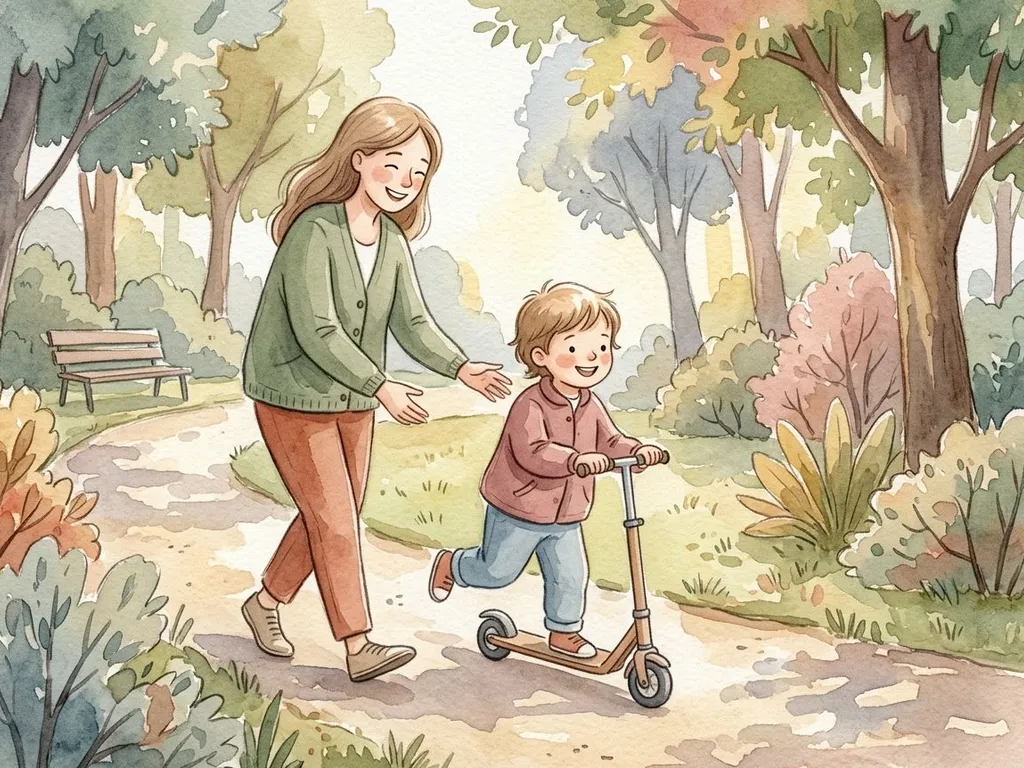
Children meet English in small, steady places: play buttons, song words, animal names, football chants, game menus, museum labels, and school websites. These moments show English doing a job, not sitting only in a notebook.
For younger children, English can start with names and actions: dog, blue, jump, open, again, help me. For older children, it can move into opinions and reasons: I prefer this story because the ending is funny. English grows with the child’s thinking.
Why English Is a Global Language for Kids also matters because children later use English to reach information. They may search for a science video, read an article, follow coding steps, or talk with classmates from another country. Early confidence makes later steps lighter.
How to Use This Idea at Home
Start with English from family life. Use short phrases in repeated routines: shoes on, wash your hands, choose a book, time to go. Repetition works because the child already understands the situation and can connect language to meaning.
Keep sessions short. Five focused minutes with one task often beats a long tense lesson. A 5-year-old may point, move, and repeat. A 9-year-old may sort words, read a caption, or answer a “why” question. A 13-year-old may discuss a video clip, plan a route, or write a review.
If your child learns with LearnLink tutors, connect lessons with home life. Ask what words came up, then use two or three at dinner or during play. Across LearnLink lessons, children aged 4-15 meet English through age-fit speaking, listening, reading, and writing tasks, not one fixed script.
Examples by Age
Young children, roughly school-age kids, need sound, rhythm, movement, and visible meaning. Examples include colour hunts, animal sounds, action games, and picture books with repeated lines. The adult can say, “Find something green,” or “The cat is sleeping,” while pointing.
Children around school age can handle groups and short choices. They may sort food words into fruit, drinks, and meals; match classroom words to objects; or ask and answer, “Do you like rice?” and “Where is the pencil?” This age can build a small speaking habit.
Older children and early teens, school-age kids, need respect for their ideas. They can compare two games, explain a rule, follow a recipe in English, or prepare three points about a hobby. Why English Is a Global Language for Kids feels real when English gives access to something they value.
Practical Activities That Make English Feel Useful
Use a “global English walk” at home. Ask your child to find English on packaging, screens, toys, sports clothes, or music apps. Read the word together, guess from context, then check. Children see English as part of their world without turning each moment into a test.
Try a family phrase board. Choose five phrases for the week: Can I have…?, I need help, Let’s play, I don’t know, One more time. Put them on the fridge or near the desk. Rule: use one phrase each day in a real moment. Change phrases when they become easy.
For children who like stories, choose one short scene and act it twice. First use short words: The bear is hungry. Then add one idea: The bear is hungry, so he looks for honey. This builds language in layers, which suits children better than long lists with no use.
Family Activity: English in Three Places
Ask your child to find English in three places this week: one screen, one book or label, and one song or video. Write down the word or phrase, say what it means, and make one new sentence with it.
How to Keep English Balanced with Other Languages
Families may worry that English will crowd out a home language. It should not. Children need warm, rich talk in every language around them. Keep reading, joking, explaining, and telling family stories in the languages that matter at home.
Multilingual children often mix languages while learning. A child may say, “I want the rojo car,” or use English word order in another language for a while. This usually shows an active language system, not laziness. Calm modelling works: “Yes, the red car. You want the red car.”
Why English Is a Global Language for Kids should be framed as addition. English can open doors to books, friends, school topics, and travel. It does not need to close the door on any other language your child uses to belong.
Common Mistakes to Avoid
Do not begin with grammar labels if your child cannot use the words yet. A 6-year-old does not need a lecture about the present continuous before saying, “I am running.” Meaning comes first, then pattern, then the rule name when it helps.
Do not correct every small error in free speaking. If the child says, “He go school,” answer with the correct model: “Yes, he goes to school.” Save direct correction for moments when the child is ready to repeat and practise. Too much correction can make a careful child silent.
Do not compare siblings or classmates. Some children speak early and read later. Others read well but need time to answer aloud. A steady plan should include listening, speaking, reading, and writing, with more support for the hardest skill.
For the child-development context behind this advice, American Academy of Pediatrics gives a broader reference point for parents.
Frequently Asked Questions
Why Is English Called a Global Language for Children?
English is called global because it is widely used between people who do not share the same first language. For children, this may appear in school resources, travel, films, songs, games, and later study. Why English Is a Global Language for Kids is best understood through use: English helps children reach people, ideas, and tools beyond one local setting.
At What Age Should a Child Start Learning English?
A child can start with gentle exposure at any age, but the method should fit their stage. A 4-year-old can learn through songs, pictures, and movement. An 8-year-old can ask questions and read short lines. A 13-year-old can discuss hobbies, stories, and opinions. The right start feels regular and low-pressure. Why English Is a Global Language for Kids begins with contact children can use.
Will English Confuse a Bilingual or Multilingual Child?
English does not usually confuse children who already hear more than one language. They may mix words while learning, especially when one word comes faster than another. That is common. Keep strong routines in the home language, and give English its own moments. Children benefit when adults respect all their languages.
How Much English Practice Is Enough at Home?
Short, regular practice is enough for many families. Ten minutes three or four times a week can build more confidence than one long session that everyone dreads. Use real tasks: choosing clothes, naming food, reading a sign, or asking for help. The child should hear English, say something meaningful, and treat mistakes as part of learning.
Start your child's English journey today — book a trial lesson with LearnLink.
Stay updated on our latest tips and resources by following us on Instagram LearnLink.