Classroom Objects in English for Kids
Children learn classroom vocabulary faster when each word links to an object, action, and short sentence. classroom objects in english for kids are school items such include pencil, desk, book, board, ruler, and bag. Once children name them, they follow lesson steps, ask for help, and join classroom talk with less stress. This guide helps parents and teachers teach words, practise sounds, and build real school sentences for ages 4-15.
Why These Words Matter at School and Online
A child needs no long word list to start speaking. They need words they can point at, touch, move, and repeat. classroom objects in english for kids work as first words because meaning stays visible. A child can hold a pen, open a book, close a notebook, or put a measuring tool on the table.
These words support classroom routines. Across LearnLink lessons, our tutors help children build confident, everyday English step by step. If a child says, “I need something to write with,” they join the lesson, not just name an object. For parents, classroom objects in english for kids works best through short, visual, weekly practice.
For bilingual and multilingual children, school words build a bridge. They already know the object in another language, so English feels less abstract. The task becomes matching a known object with a new sound and a sentence.
What to Teach First
Start with objects your child can see during a lesson. A short, real set beats a long poster full of unused words. For younger learners, begin with six to ten items. For ages 4-15, add classroom tools, digital learning words, then full phrases as readiness grows.
Use this first set: pencil, pen, book, notebook, bag, desk, chair, board, straightedge, eraser, pencil case, paper, scissors, glue, marker, crayon, folder, tablet, screen, headphones. Teach words in small groups.
classroom objects in english for kids need action. Say “open your book,” “pick up the pen,” “put the measuring stick under the notebook,” and “show me your eraser.” Each command gives each word a job.
A Step-by-Step Way to Learn the Words
First, name and point. Put three objects on the table and say each word slowly: “book,” “pen,” “bag.” Ask your child to point before repeating. This lowers pressure and checks understanding.
Second, add action. Say, “Touch the book,” “Open the bag,” or “Give me the pen.” Body movement helps memory. In online English lessons for kids, teachers often use short commands because vocabulary becomes active from the start.
Third, grow single words into small sentences. A younger child can say, “My pencil.” A primary-school learner can say, “I have a green pen.” A teenager can say, “I keep my notes in this folder.” The object word stays familiar while language grows.
Practice: Point and Say
Put five objects on the table: a book, pencil case, straightedge, notebook, and eraser. Say, “Point to the measuring stick,” then let your child answer, “This is the ruler.” Change the order each time.
Pronunciation Tips for Common Classroom Words
Pronunciation matters because classroom words are short. One small sound change can make “pen” sound like “pan,” or “sheet” sound unclear. Keep practice calm and brief. Two focused minutes work well for younger children.
For “pencil,” begin with a soft /p/ sound. Ask your child to hold one hand near the mouth and feel a small air puff: “pencil, pen, paper.” For “ruler,” practise the English /r/ without rolling it. The tongue stays back, and lips may round a little: “ruler, red ruler, rubber ruler.”
For “chair,” start with the /ch/ sound, like a short sneeze without the sneeze: “chair, chalk, choose.” For “scissors,” children may need help with the first sound. Say it slowly as “si-zors,” then speed up. Older children can try: “Six small scissors sit on the shelf.”
Practice: Sound Check
Read each pair aloud and ask your child to circle the word they hear: pen / pan, bag / back, chair / share, ruler / luler. Then let your child say one sentence: “The pen is in my bag.”
Games That Make the Words Stick
Games work best when they stay short and repeat the same language. Try “What is missing?” Place five objects on the table. Your child closes their eyes. Remove one object and ask, “What is missing?” The first answer can be one word: “The measuring stick.” Later, build a full sentence: “The line guide is missing.”
This checks listening and object names together.
For older learners, use a quick description game. One child or parent says, “It is long. It helps me draw a straight line.” The answer is “a straightedge.” This moves children from naming to explaining.
Sentences Children Can Use Right Away
Words become useful when children ask, answer, and explain. Teach classroom objects in english for kids through flexible sentence frames. Start with “I have a.” and “I need a.” Then add place words: “on,” “in,” “under,” “next to,” and “behind.”
Beginner sentences include: “I have a pen,” “This is my book,” “My bag is under the chair,” and “The measuring tool is on the desk.” For children with more English, try: “I forgot my notebook,” “Can I use a marker?” and “I keep my homework in this folder.”
Do not correct every small mistake at once. Choose one focus. If the lesson covers objects, accept a short sentence and model the stronger version: Child: “I need pencil.” Adult: “Good. I need a pencil.” Then continue.
Practice: Fill in the Blank
Complete the sentences: 1. I write with a _____. 2. I sit on a _____. 3. My book is in my _____. 4. I draw a straight line with a _____. 5. I listen with my _____.
Tips for Parents and Teachers
Keep home practice short. Five minutes after school or before an online lesson is enough. Ask for three objects, one action, and one sentence. This rhythm gives children success without turning home into another class.
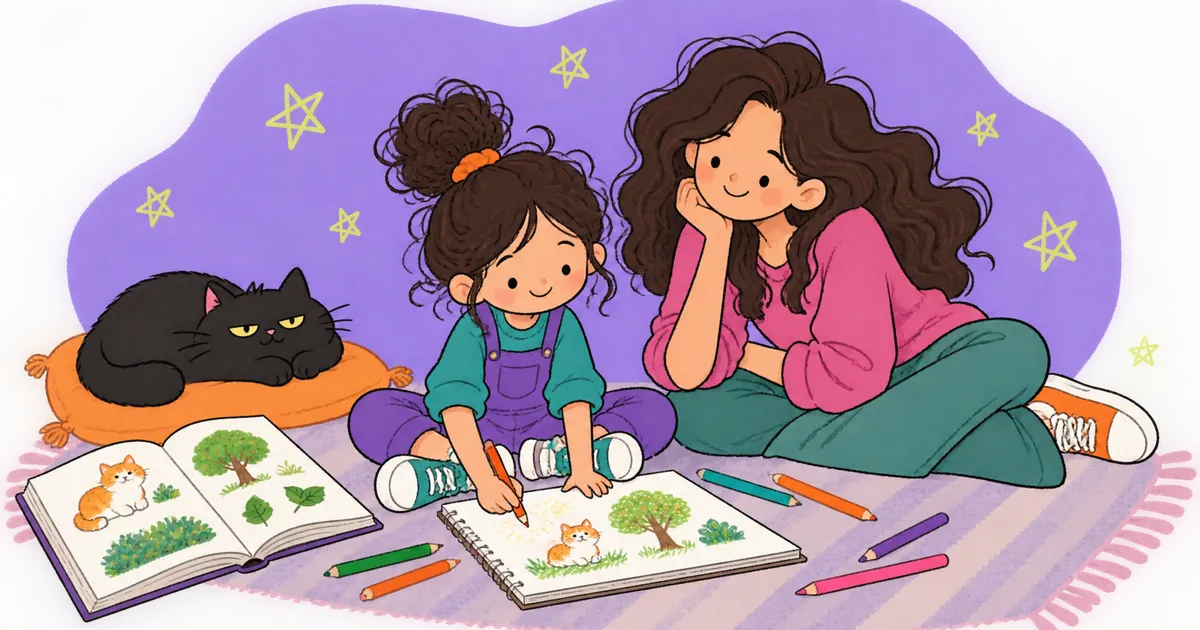
Use real objects before flashcards. A writing tool has weight, colour, and purpose. Once the word feels familiar, flashcards can support review. For children who like drawing, ask them to make a “school desk” picture and label five items.
Data current as of July 2026.
classroom objects in english for kids should include polite lesson language: “Can I have.?”, “May I use.?”, “I can’t find.,” and “Where is my.?” These phrases help children sound kind and direct, not just correct.
- Label five classroom objects in english for kids before tomorrow’s homework session.
- Practice naming three objects from your child’s backpack after school today.
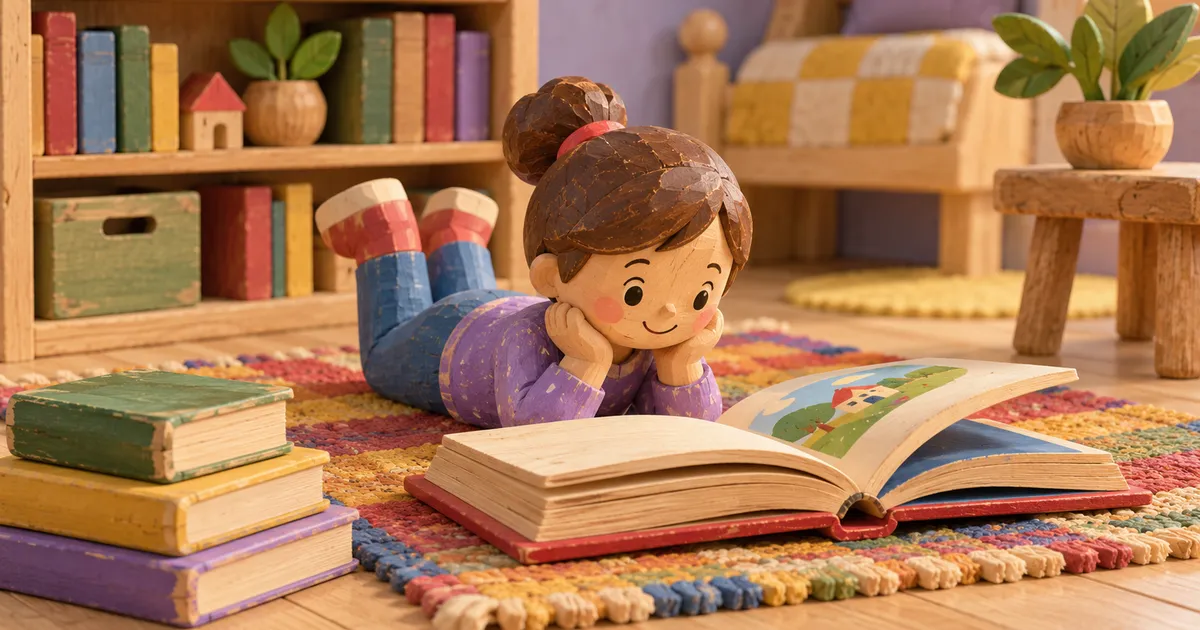
- Use a picture book to spot pencils, desks, chairs, and books.
- Try a two-minute classroom objects memory game with ages five to eight.
- Ask your child to teach one new object word at dinner.
When a word has several meanings or pronunciations, Cambridge Dictionary is a useful check before turning it into child-friendly examples.
FAQ
How Many Classroom Objects Should a Child Learn First?
Start with 6 to 10 visible, useful objects: book, pencil, pen, bag, chair, desk, measuring stick, eraser, notebook, and paper. Once your child understands and uses them in short commands, add more. classroom objects in english for kids become easier to remember when each word has an action and sentence.
Should Children Learn British or American Pronunciation?
Both are fine for children. The goal is clear speech, not one accent. Some words may differ, such as “eraser” in American English and “rubber” in British English. Choose the form heard most in lessons, but explain that the other word exists. This helps when children meet teachers, videos, or classmates from different countries.
What If a Child Already Knows These Words in Another Language?
That is an advantage. The child already understands the object and its use. New work means matching the English sound to the known idea. Use quick language links if helpful, then return to English sentences: “This is my notebook,” “The pen is on the desk,” and “I need my bag.”
How Can Adults Practise Without Making It Feel Like a Test?
Use small tasks, not quizzes. Ask the child to pack a school bag in English, set up a pretend classroom, or give three commands. Take turns being the teacher. Keep correction light. Repeat the correct sentence naturally and move on, so the child stays willing to speak.
For a weekly routine: 1. Try three real objects and one action command. 2. Start each mini-practice with listening before speaking. 3. Practise one sentence, such as “I need a pen,” until it sounds natural. LearnLink supports English learners aged 4-15 and has worked with 4,000+ families, but strongest progress still comes from short, repeated speaking tasks at home and in lessons.
Start your child's English journey today — book a trial lesson with LearnLink.
Stay updated on our latest tips and resources by following us on Instagram LearnLink.