What to Ask Kids' English Teachers
Seven questions reveal whether a children’s English teacher fits your child: goals, speaking time, correction style, lesson structure, home practice, progress checks, and child safety. What to Ask Kids' English Teachers: A Practical Guide for Families helps you use them before the first lesson, during a trial class, and after several weeks. The aim is not to interview a teacher like an employer. It is to see how your child will learn, stay comfortable, and show progress without pressure.
📥 Teacher Interview Question Cards
A printable set of ready-to-use English questions for choosing a kids' English teacher
Leave your email — we'll send the PDF to your inbox.No spam — the PDF plus one short reminder. Unsubscribe anytime.
What Families Need to Know Before Choosing a Teacher
A strong kids’ English teacher explains the lesson plan in plain words. For a 5-year-old, that may mean songs, picture cards, short answers, and movement. For a 9-year-old, it may mean short reading, guided speaking, and games that require full sentences. For a 14-year-old, it may include discussion, writing, grammar repair, and age-safe personal topics.
Ask first: “What will my child do in the lesson?” A useful answer names actions: listen, repeat, choose, answer, read, draw, sort, retell, ask, compare, or write. A weak answer stays vague: “We will improve English.” What to Ask Kids' English Teachers: A Practical Guide for Families starts with lesson actions because children learn through doing, not promises.
Ask how the teacher handles shy children. First-time online learners may need time to look, point, nod, or answer with one word before speaking freely. A strong teacher builds trust, then stretches the child one step at a time.
Questions That Show the Teaching Method
Ask, “How much will my child speak in a typical lesson?” In a strong children’s lesson, the teacher does not dominate the talk time. Younger learners may speak in tiny pieces, but they should stay active. Older learners need chances to answer, ask, explain, and try again after correction.
Then ask, “How do you correct mistakes?” The answer depends on age and task. During a speaking game, a teacher may accept “He go school” and later model “He goes to school.” During grammar work, the teacher may stop and practise the correct form. Children need correction and enough flow to keep talking.
A third question is: “How do you choose topics?” For school-age kids, family, animals, food, toys, colours, and daily routines work well. For school-age kids, school life, hobbies, stories, and problem-solving tasks hold attention. For school-age kids, lessons should respect growing maturity while keeping language clear and practical.
What to Ask During a Trial Lesson
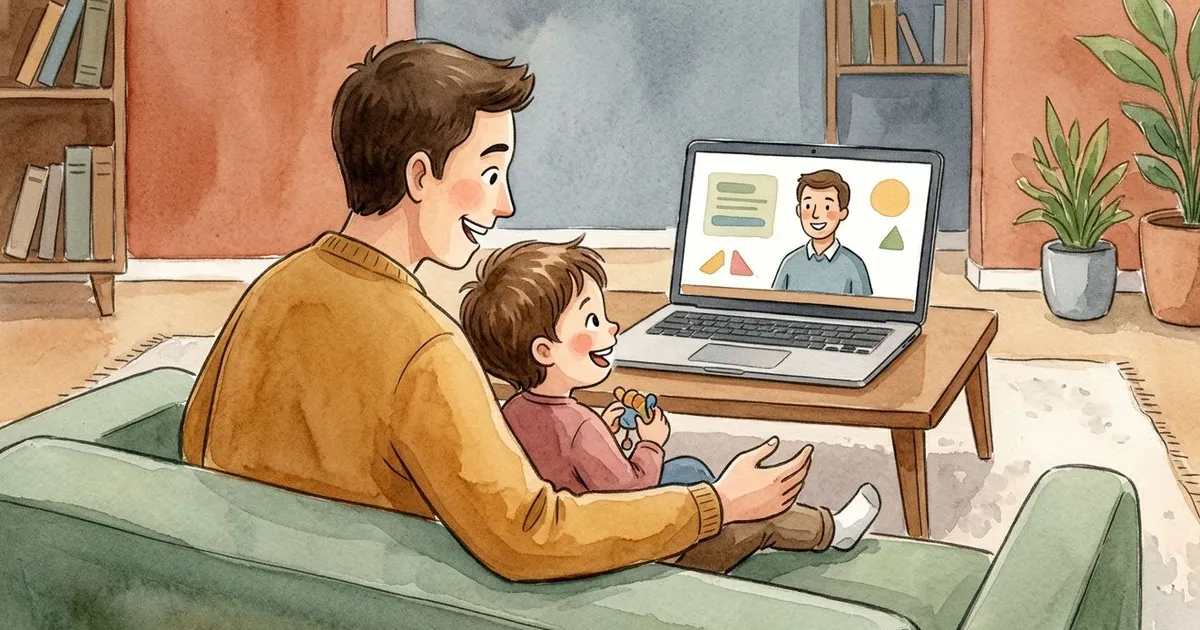
A trial lesson is not only about whether the child smiles. Enjoyment matters, but it is not the full measure. Watch whether the teacher checks your child’s level, gives time to answer, and changes pace when needed. A child can be quiet in a first lesson and still learn well.
Use this question set after the trial: What did the teacher ask my child to say? Did my child understand the task? Was correction kind and clear? Did the teacher notice tiredness or confusion? Did the lesson end with one small success the child could feel?
In LearnLink online lessons, our tutors work with children aged 4-15, so families need different quality signals at different ages. What to Ask Kids' English Teachers: A Practical Guide for Families helps because the same teaching skill may look different with a 6-year-old and a 13-year-old.
Helpful Questions by Age
Children change quickly between ages 4 and 15. A question for a teenager may not help a young learner, and a game for a 6-year-old may feel childish to an 11-year-old. The table below gives age-fit questions families can use without turning the lesson into a test.
For bilingual or multilingual children, ask how the teacher will check real understanding. A child may know a word in one language, half-know it in another, and still need English practice. The teacher should welcome that background without making lessons depend on translation.
How to Use the Answers at Home
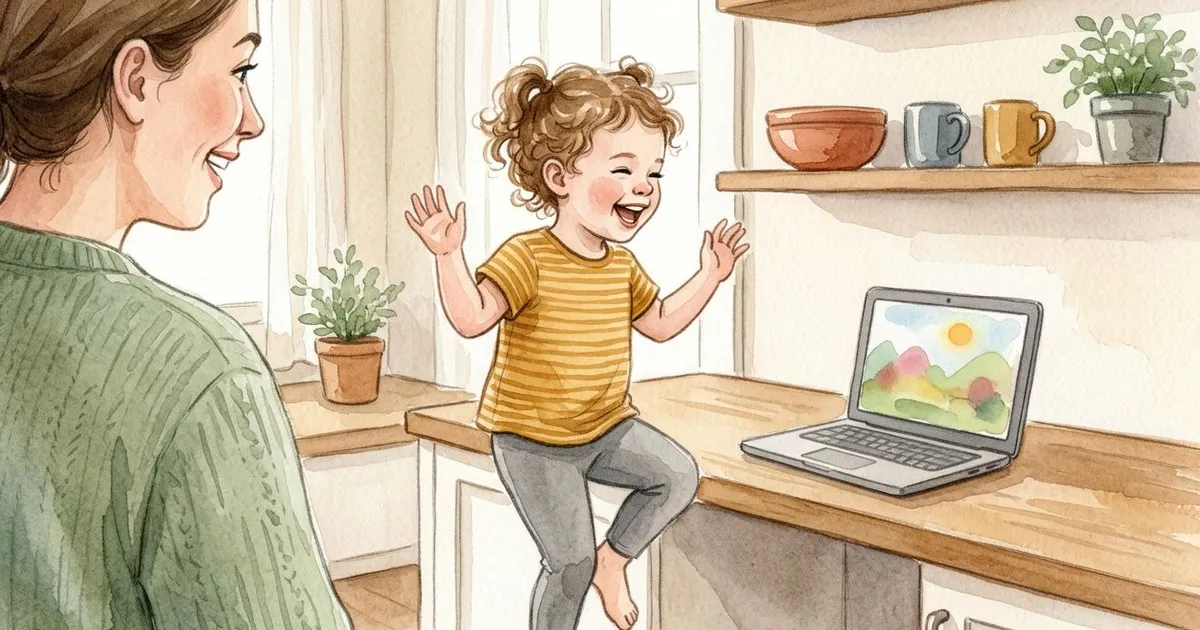
After you speak with the teacher, turn the answers into a short home routine. You do not need to become a second teacher. Five to ten calm minutes can help a child remember lesson language: name three kitchen items, describe today’s weather, read one short line, or answer one lesson question.
Ask the teacher what to practise and what to leave alone. Some parents correct every sentence at home, and the child begins to avoid English. A better plan is narrow: “This week, we practise food words and I like / I don’t like.” Focus helps children feel progress.
What to Ask Kids' English Teachers: A Practical Guide for Families helps families avoid mixed signals. If the teacher is building fluency, home practice should not become a grammar exam. If the teacher is preparing spelling words, quick written review may help. The home task should match the lesson goal.
Try This After the Next Lesson
Ask your child three calm questions: “What word did you use today?”, “What was easy?”, and “What should we practise once before the next lesson?” Write the answers in one place. After four lessons, look for a pattern: more words, longer answers, faster recall, or less fear of speaking.
Red Flags and Green Flags
A red flag is not one imperfect moment. Children may be tired, shy, or distracted, especially online. Look for patterns. Be careful if the teacher cannot explain goals, speaks almost all the time, corrects until the child freezes, or gives homework the child cannot do without heavy adult help.
Green flags are concrete. The teacher uses your child’s name naturally, checks understanding, gives wait time, and adapts tasks. You may hear: “Let’s try a shorter answer first,” or “Choose one: cat or dog?” Small choices keep children involved.
Progress should appear in child-sized evidence. A younger child may answer faster, remember classroom words, or sing a phrase with clearer sounds. An older child may write fuller sentences, ask follow-up questions, or repair a grammar mistake after a prompt. What to Ask Kids' English Teachers: A Practical Guide for Families keeps attention on real signs, not pressure or vague praise.
- Ask one trial-lesson question about feedback, homework, and progress tracking.
- Request a three-minute sample activity for your child’s exact age.
- Check whether corrections are gentle, specific, and followed by practice.
- Compare two teachers using five notes after each trial lesson.
- Choose the teacher who explains goals, methods, and next steps clearly.
When a word has several meanings or pronunciations, Cambridge Dictionary is a useful check before turning it into child-friendly examples.
Frequently Asked Questions
What Should I Ask Before the First Kids’ English Lesson?
Start with lesson structure, speaking time, correction style, and home practice. You can ask: “What will my child do in the first lesson?”, “How will you check their level?”, and “What should we practise between lessons?” What to Ask Kids' English Teachers: A Practical Guide for Families is built around these questions because they show how the teacher teaches, not only what materials they use.
How Can I Tell If My Child’s Teacher Is a Good Fit?
Look for comfort and learning together. Your child does not need to speak perfectly or love every minute, but they should feel safe enough to try. A strong teacher gives clear tasks, listens to answers, adjusts pace, and explains progress to the family in plain terms.
Should I Choose a Strict Teacher or a Playful Teacher?
Children need warmth and structure. A playful teacher with no clear goal may entertain without building language. A strict teacher with little warmth may make a child afraid to speak. Ask how the teacher keeps lessons active, corrects mistakes, and helps your child try again.
How Much Homework Should a Child Have?
For young learners, homework should be short and easy to start: naming pictures, repeating key words, or answering two simple questions. Older children can handle reading, writing, or review tasks, but the work should still match the lesson. If homework regularly causes tears or long parent help, ask the teacher to adjust it.
If your child needs steady speaking practice, start small — choose a trial lesson.
Stay updated on our latest tips and resources by following us on Instagram LearnLink.