Winter Sports in English for Kids
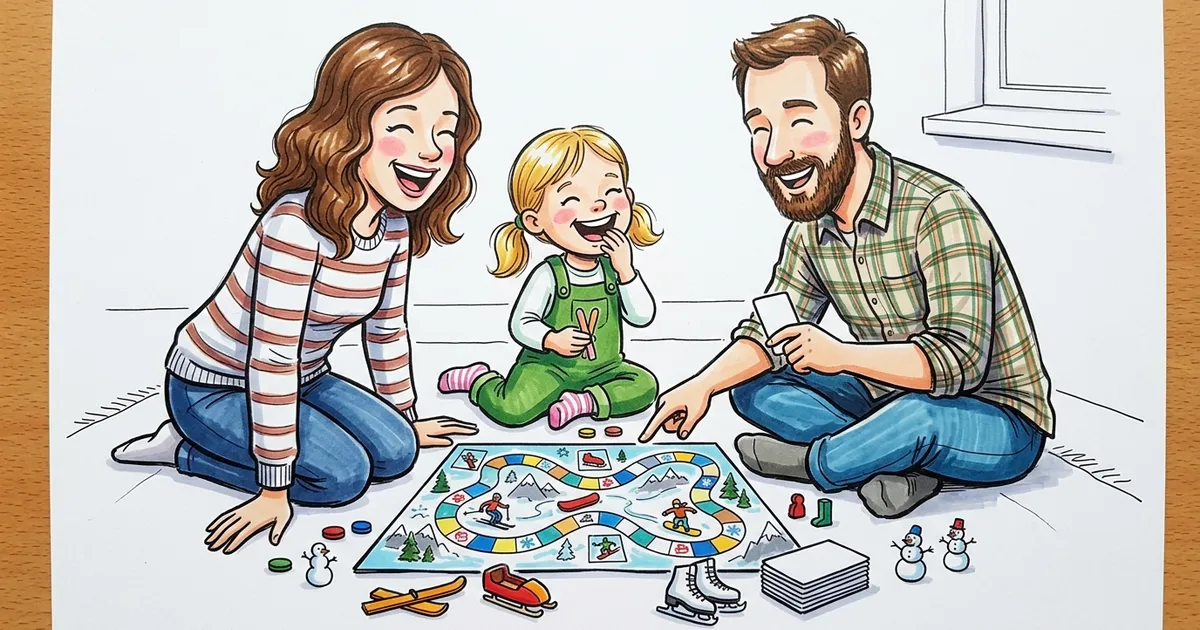
A winter sport is an activity on snow or ice, such as snowboarding, curling, or ice hockey. Winter Sports in English for Kids: Words and Activities teaches your child to name sports, equipment, and actions. Begin with visible or mimeable words: skis, helmet, slide, turn, and race. Build short sentences with pictures, toys, movement, and spoken games; snow is unnecessary. The aim is practical speech, not memorised lists.
📥 Winter Sports Word Workout
Learn useful words, build simple sentences, and practise through play.
Leave your email — we'll send the PDF to your inbox.No spam — the PDF plus one short reminder. Unsubscribe anytime.
Core Words and Phrases
Use Winter Sports in English for Kids: Words and Activities as a speaking bank, not a spelling test. Introduce a few words from each category, adding more after your child can recognise and use them.
- Sport names: skiing, snowboarding, ice skating, figure skating, speed skating, ice hockey, curling, sledding, bobsleigh, ski jumping, cross-country skiing, and biathlon.
- Places and conditions: snow, ice, rink, slope, ski run, mountain, frozen lake, ski lift, cold, icy, snowy, and slippery.
- Equipment and clothing: skis, snowboard, skates, sled, poles, helmet, goggles, gloves, boots, jacket, and hockey stick.
- Action words: ski, skate, slide, glide, turn, jump, race, fall, stop, balance, throw, catch, push, and pull.
I have a pair of skis.
Wear a helmet.
Put on your skates.
Pull the sled.
We are at the rink.
Go down the slope.
I can glide on ice.
Curling needs careful control.
Add phrases children can use immediately: “put on your skates,” “go down the slope,” “hold the poles,” “wear a helmet,” and “the ice is slippery.” Teach nouns with natural partners: “a pair of skis” and “an ice rink,” not isolated words.
Using the Words in Simple Sentences
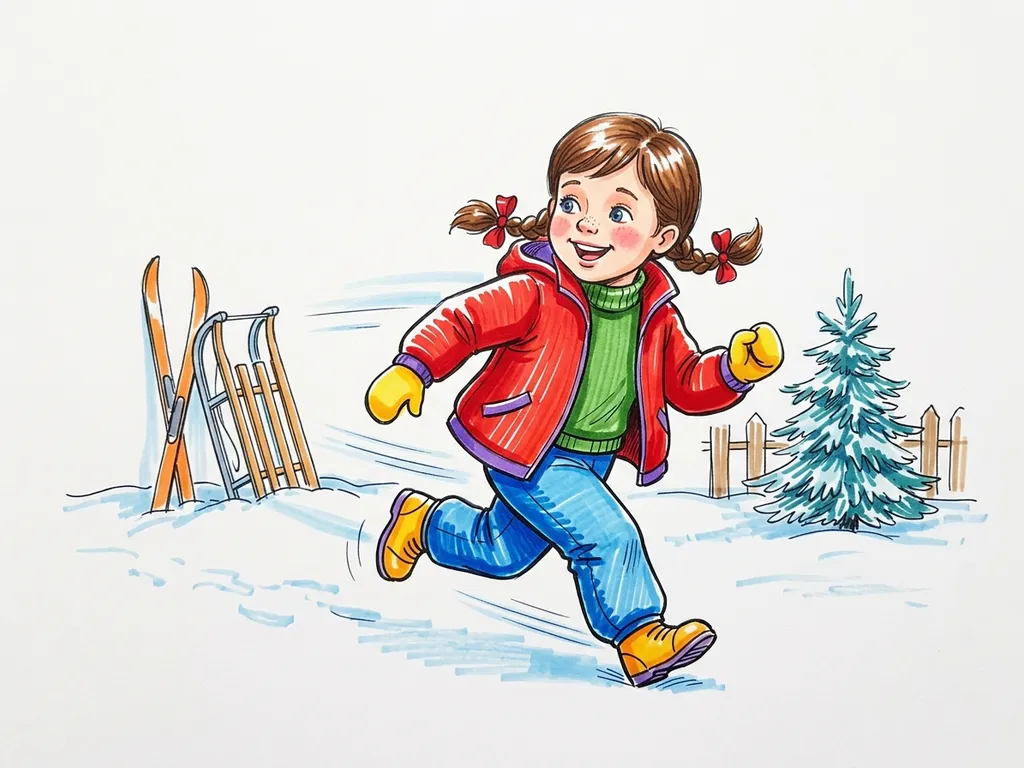
In Winter Sports in English for Kids: Words and Activities, sentence frames support beginners. Start with “I can…,” “I need…,” and “I am wearing….” Your child can produce lines such as “I can skate,” “I need a helmet,” and “I am wearing warm gloves.” Change one word at a time to retain the pattern.
Connect actions to places and equipment: “She is moving down the slope,” “They are playing ice hockey at the rink,” and “The snowboarder is turning.” Older learners can add reasons or comparisons: “Curling is slower than speed skating, but players need careful control.”
Turn the vocabulary into conversation: “Which sport uses a board?”, “Where do skaters practise?”, or “Why does the skier wear goggles?” Accept a short answer, then model a fuller version: “A snowboarder uses a board” or “The skier wears goggles to protect their eyes.”
Activities for Different Ages
Adapt a Winter Sports in English for Kids: Words and Activities lesson to age and language level. Younger children need movement and strong images. Older children can classify, compare, explain rules, and share opinions without childish chants.
Match the task to your child’s English as well as their age. A multilingual nine-year-old may grasp complex ideas yet need basic sentence frames to discuss strategy. A confident younger learner may compare downhill sports and snowboarding in two or three connected sentences.
Practice Games for Home or Class
Winter Sports in English for Kids: Words and Activities suits picture sorting. Label two groups “snow” and “ice,” then place each sport below one. Some choices prompt discussion: bobsleigh uses an ice track, while downhill snow sports take place on snow. Explanations matter more than speed.
Pack for the Slope
Choose equipment and say what you will pack: “I am heading to the slope, so I need….” Include one unsuitable object, such as skates, and ask your child to remove it and explain why. A beginner may say, “No skates.” An older learner can say, “I do not need skates because I will be on snow.”
Call out “slide,” “turn,” “balance,” or “stop.” Your child mimes the action, then uses it in a sentence. Reverse roles so your child gives the instructions. Producing commands reveals which words are ready for independent speech.
Pause a short, age-suitable sports clip with the sound off. Ask what the athlete is doing, wearing, or holding. Recast errors without interrupting: if your child says, “He play snowboarding,” reply, “Yes, he is snowboarding,” and continue.
Common Language Mistakes
English sports verbs follow different patterns. Say “go skiing,” “go snowboarding,” and “go ice skating,” but “play ice hockey.” A sport may function as a verb: “She skis,” “He skates,” and “They snowboard.” Teach each complete phrase to prevent guessing.
Regional variants can both be correct. Families may hear “sledding” in North American English and “sledging” in British English; “bobsled” and “bobsleigh” form another pair. Practise one version while teaching recognition of the other. An accent or regional term is not an error when its meaning is understood.
- Try correcting three winter sports sentences with children aged six to nine.
- Practice saying “go skiing,” not “play skiing,” during a five-minute game.
- Read one picture book and circle five winter sports verbs together.
- Model correct articles by saying “a snowboard” and “the ice rink” aloud.
- Repeat each corrected phrase twice, then ask your child to create one sentence.
When a word has several meanings or pronunciations, Cambridge Dictionary is a useful check before turning it into child-friendly examples.
Frequently Asked Questions
What Winter Sports Words Should a Beginner Learn First?
Begin with visible nouns and easy actions: snow, ice, skis, skates, sled, helmet, ski, skate, slide, turn, stop, and fall. Add skiing, snowboarding, ice skating, ice hockey, and sledding. Practise each word in a short phrase, such as “wear a helmet” or “slide on the snow.” A small spoken set beats a large passive vocabulary.
Can My Child Learn This Vocabulary Without Seeing Snow?
Yes. Winter Sports in English for Kids: Words and Activities can use photos, toy figures, drawings, movement, and short video clips. Ask your child to sort snow and ice sports, mime actions, or pack imaginary equipment. Where winter weather is unfamiliar, connect each word to an image and explain the setting. Participation in the sport is unnecessary.
Should My Child Use British or American Winter Sports Words?
Your child can use the English variety taught at school or in lessons. Consistency supports early practice, while learners should recognise alternatives. Teach “sledding” alongside British “sledging,” and explain that “bobsled” and “bobsleigh” name the same sport. Keep correct regional words and focus on meaning, natural phrasing, and understanding speakers from different places.
How Can an Online Tutor Practise Winter Sports Vocabulary?
A tutor can adapt the theme to your child’s level. Beginners may identify equipment and follow commands; confident learners can compare sports, describe a race, or explain safety rules. In one-to-one lessons, our tutors can adjust the pace, model sentences, and extend answers without delaying a group. LearnLink lessons move new vocabulary into independent speech.
- Start with six visible words your child can point to or mime.
- Practice each word in one short sentence frame.
- Try a two-minute sorting, packing, or action game, then ask your child to explain one choice.
A short one-to-one lesson can show what level and pace fit your child — book a trial English lesson.
Stay updated on our latest tips and resources by following us on Instagram LearnLink.