A Little and a Few for Kids
Use a little with uncountable nouns and a few with plural countable nouns: a little water, a little rice, a few apples, a few toys. Both mean “some, but not a lot.” The grammar depends on the noun, so children need practice with real objects, pictures, short sentences, questions, and gentle correction. For parents, a little and a few for kids feels easiest when children see amount or number while hearing the phrase.
📥 A Little and A Few: Grammar Practice for Kids
4 activities to master countable and uncountable quantity words
Leave your email — we'll send the PDF to your inbox.No spam — the PDF plus one short reminder. Unsubscribe anytime.
What Children Need to Understand First
The main idea is quantity. A little means a small amount. A few means a small number. Both sound positive: enough for now. For parents, a little and a few for kids works best through short, visual weekly practice.
Children need to check the noun after the phrase. With nouns we do not count one by one, use a little: a little milk, a little time, a little homework. With plural countable nouns, use a few: a few books, a few grapes, a few minutes.
Start with a sorting question: “Can we count it?” If yes, choose a few. If no, choose a little. This question helps children choose by meaning, not guessing. The phrase "a little and a few for kids" becomes easier to remember when children hear one clear example and use it straight away.
How the Grammar Works
A little goes before uncountable nouns: mass, material, subject, or idea words. Children may already know many: water, juice, bread, music, English, help, money, time, information. For "a little and a few for kids", begin with one familiar situation before moving toward a harder contrast.
A few goes before plural countable nouns: one sticker, two stickers, three stickers. Say a few stickers, a few pencils, a few friends, a few games, a few questions. A short activity on "a little and a few for kids" should ask children to understand or produce target language, not only repeat it.
The word after a few normally has plural form. Children hear the pattern in short sentences: “I have a few cards.” “We need a few chairs.” “She made a few mistakes.” Across LearnLink lessons, tutors build this through speaking first, then written correction, so the phrase sounds natural before the rule gets named.
Keep grammar practical: children look at the noun, decide whether they can count it, and choose the fitting phrase. Review "a little and a few for kids" in speech and writing so children recognise the pattern in both forms.
Rules and Examples Children Can Use
This table gives a quick check for children who read short English sentences and parents correcting speech at home. When teaching "a little and a few for kids", correct one point at a time and let the child try again immediately.
This article focuses on forms with a, because children meet them first in speech. “I need a little help” sounds warmer than “I need little help,” which means something else.
Use real sentences: “Put a little butter on the bread.” “Take a few crayons.” “We have a little time before dinner.” “Ask a few questions.” These examples fit home, school, and online lessons.
Common Mistakes and How to Fix Them
A frequent mistake is a few with an uncountable noun: “a few water,” “a few bread,” “a few money.” Ask, “Can we count it as one, two, three?” If not, use a little: a little water, a little bread, a little money.
The second mistake is a little with a plural noun: “a little pencils,” “a little apples.” Use the plural clue. If the noun is plural and countable, use a few: a few pencils, a few apples.
Older children may confuse a little with little, or a few with few. The word a changes the feeling. “I have a few friends here” means some friends, enough to feel okay. “I have few friends here” sounds negative. Keep that contrast clear, but do not make it the first lesson for a 5-year-old.
Examples by Age and Level
For younger school-age kids, keep grammar physical. Put rice, blocks, pencils, or picture cards on the table. Say, “a little rice” and “a few blocks.” Let the child point, move, and repeat. Correct choice matters more than the labels “countable” and “uncountable.”
For school-age kids, add sentence frames: “I want a little ____.” “I have a few ____.” “There is a little ____.” “There are a few ____.” Children fill gaps with words from home or school: juice, books, music, coins, homework, grapes.
For older children and teens, add meaning and tone. Compare “a few people came” with “few people came.” Compare “a little noise is fine” with “little noise was heard.” Teens can handle grammar labels, but examples still matter. A little and a few for kids works well when the same rule grows from objects into full sentences.
Practice Activities
Keep practice short and repeated. Five clear minutes beat a long worksheet that turns into guessing. Reuse nouns, then change the sentence.
Choose the Correct Phrase
Fill each gap with a little or a few: 1. I need ____ water. 2. She has ____ stickers. 3. We ate ____ rice. 4. He asked ____ questions. 5. There is ____ music in the room. Answers: 1. a little 2. a few 3. a little 4. a few 5. a little.
After round one, ask for one explanation. A young child can say, “I can count stickers.” An older child can say, “Stickers are countable and plural, so we use a few.”
Fix the Mistake
Correct these sentences: 1. I want a few soup. 2. We need a little chairs. 3. She has a few homework. 4. They bought a little apples. Answers: 1. I want a little soup. 2. We need a few chairs. 3. She has a little homework. 4. They bought a few apples.
For extra practice, turn the activity into a quick family game. One person names a noun, and the child chooses the phrase: water, pages, rice, friends, homework, minutes. Keep pace quick and tone light. A little and a few for kids feels easiest when practice sounds like normal talk.
How Parents Can Support Speaking Practice
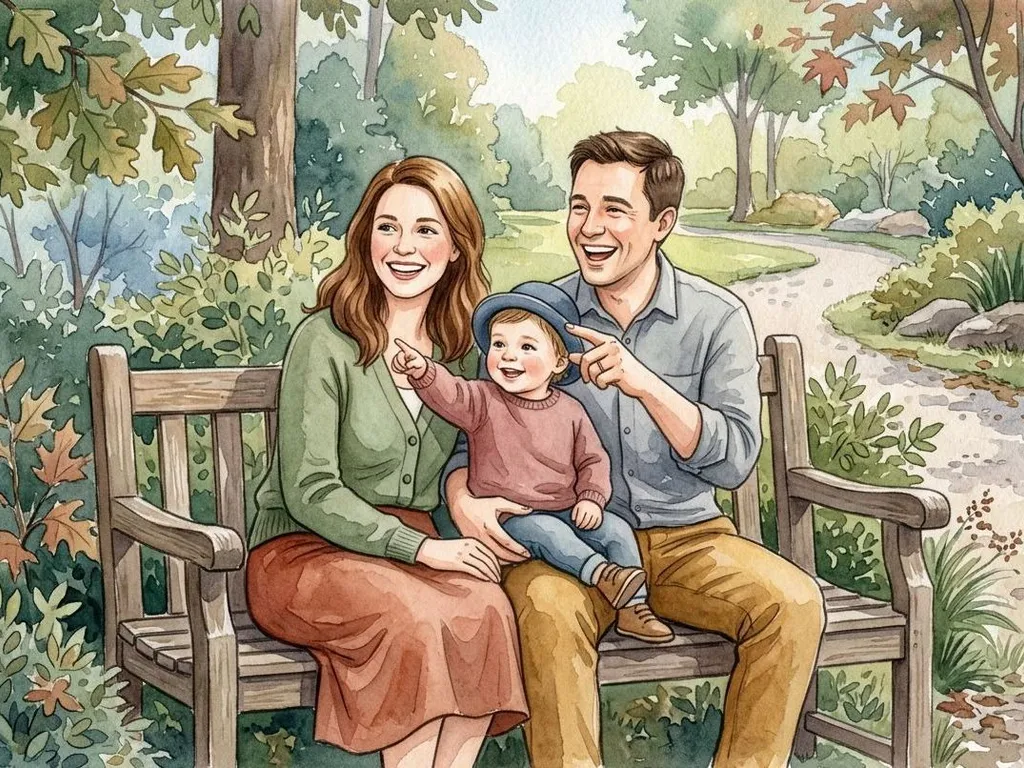
Children do not need a grammar lecture after each mistake. A calm recast works better. If your child says, “I want a few juice,” answer, “Sure, a little juice.” The child hears the correct form without losing speech flow.
Use daily routines. At breakfast: “Would you like a little milk?” Packing a bag: “Take a few pencils.” Reading: “Let’s read a few pages.” Before bed: “We have a little time.” These phrases make grammar part of life.
For bilingual or multilingual children, do not assume every language uses the same countable pattern. Some English nouns behave differently elsewhere. Teach the English pattern through English examples, not translation.
- Practice two-minute snack chats using three examples with a little and a few.
- Read one picture book together and count objects on each page aloud.
- Use five kitchen items to compare amounts before preparing a simple snack.
- Ask your child to describe toys using full sentences and gentle corrections.
- Repeat one playful question daily until the phrase sounds natural and confident.
When a word has several meanings or pronunciations, Cambridge Dictionary is a useful check before turning it into child-friendly examples.
Frequently Asked Questions
What Is the Difference Between a Little and a Few?
A little means a small amount and goes with uncountable nouns, such as water, time, rice, or help. A few means a small number and goes with plural countable nouns, such as books, apples, games, or friends. Quick test: can your child count the noun as one, two, three? If yes, use a few. If no, use a little.
At What Age Can Children Learn This Rule?
Children can start using the pattern around age 5 or 6 through examples, even before they explain grammar terms. Older children can learn “countable” and “uncountable” and use those labels to check writing. Timing depends on reading level, attention span, and English exposure.
Should My Child Memorize Lists of Uncountable Nouns?
A short list can help, but long lists are not the first step. Start with words your child uses: water, milk, bread, rice, homework, music, time, money. Then add countable pairs: apples, books, toys, questions, friends. A little and a few for kids works best when each noun appears in a real sentence.
Why Is “A Few Water” Wrong?
Water is uncountable in ordinary English, so we do not say “one water, two waters” for the liquid. That is why “a few water” is wrong. Say “a little water.” If counting containers, change the noun: “a few bottles of water” or “a few glasses of water.” This helps older children connect grammar with real life.
How Can We Practise Without Worksheets?
Use small choices during the day. Ask your child to choose between “a little” and “a few” while cooking, tidying, reading, or packing a school bag. Keep it light: “a little pasta or a few tomatoes?” “a little time or a few minutes?” Short spoken practice helps children use the phrase before written accuracy becomes the focus.
Use a little and a few for kids as a speaking routine, not a one-time rule. When children hear the same contrast in meals, books, toys, homework, and questions, grammar becomes easier to use without stopping to translate.
If your child needs steady speaking practice, start small — choose a trial lesson.
Stay updated on our latest tips and resources by following us on Instagram LearnLink.