As...as Comparisons for Kids
An as...as comparison marks equal quality across two people, animals, objects, or actions: “The kitten is as soft as the blanket.” As...as Comparisons for Kids: A Practical Guide explains the pattern, negative and noun forms, errors, and practice. Children can describe similarities in height, speed, age, colour, skill, and quantity. The adjective or adverb stays in its basic form.
📥 As...as Comparisons for Kids
Practise making clear comparisons with adjectives and adverbs
Leave your email — we'll send the PDF to your inbox.No spam — the PDF plus one short reminder. Unsubscribe anytime.
What Children Need to Understand
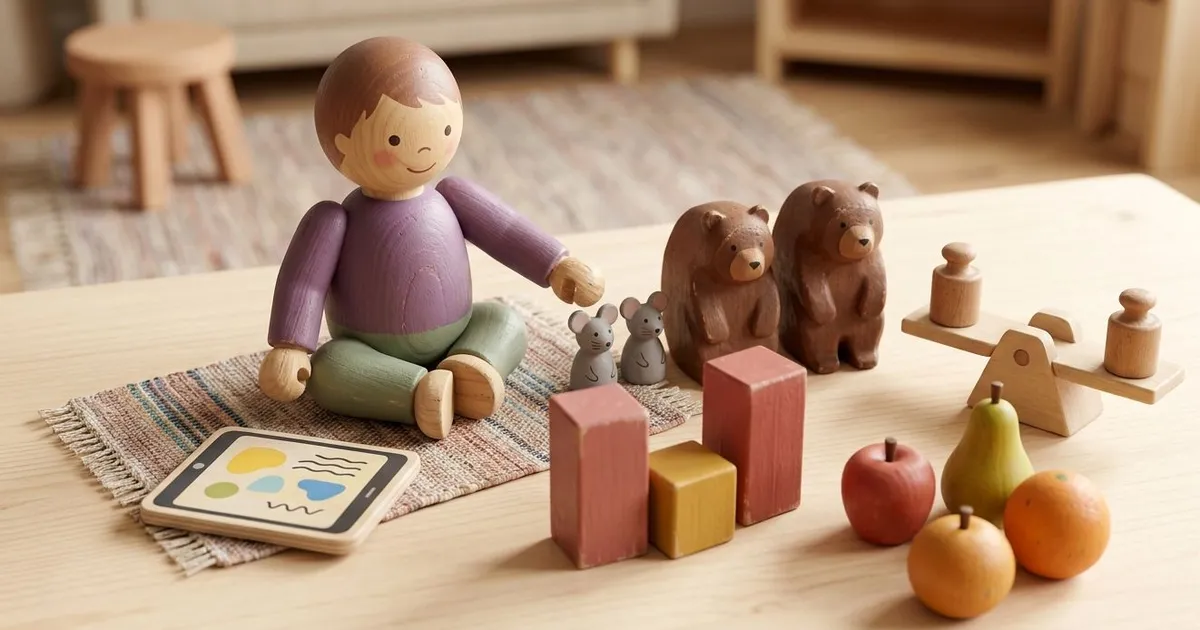
Begin with equality. In “The red tower is as tall as the blue tower,” neither tower is taller. The quality sits between two uses of as: as + tall + as. Before studying written rules, let children compare pencils, toy animals, books, cups, or relatives. For parents, as as comparisons for kids works best when practice is short, visual, and repeated every week.
As...as Comparisons for Kids: A Practical Guide contrasts equality with ranking. “The rabbit is as fast as the fox” means equal speed; “The rabbit is faster than the fox” ranks them. Explaining this contrast shows understanding, even when spelling or word order needs practice. The phrase "as as comparisons for kids" becomes easier to remember when children hear it in a clear example and use it straight away.
How the Pattern Works
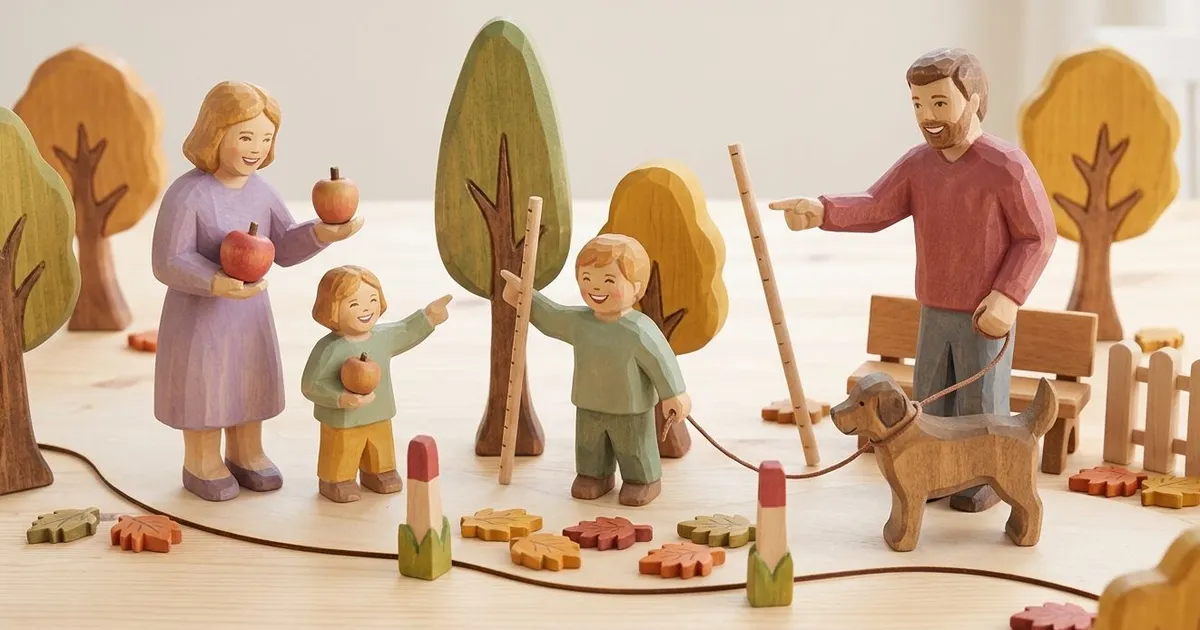
Standard structure: subject + verb + as + adjective + as + comparison. For example: “This bag is as heavy as that one.” Keep the adjective basic: as tall as, not as taller as; as interesting as, not as more interesting as. For "as as comparisons for kids", begin with one familiar situation before moving to a harder contrast.
Adverbs use the same frame for actions: “The younger child reads as clearly as the older child.” Clearly describes reading. Compare “The turtle moves as quietly as the cat” and “She finished as quickly as her brother.”
the child three sound groups: “as / soft / as” or “as / slowly / as,” then build a sentence. As...as Comparisons for Kids: A Practical Guide uses this frame so children can replace one word: as big as, as cold as, or as carefully as. A short activity on "as as comparisons for kids" should ask the child to understand or produce the target language, not only repeat it.
Rules and Examples at a Glance
The middle word identifies the comparison: use an adjective for a person or thing, an adverb for an action, many for countable nouns, and much for uncountable nouns.
As...as Comparisons for Kids: A Practical Guide covers daily-task quantities. “There are as many apples as oranges” places countable items side by side. “We need as much rice as water” relates whole amounts. Noun choice determines the form.
Negative Forms and Unequal Comparisons
Place not before the first as for unequal qualities: “The green rope is not as long as the yellow rope.” The green rope is shorter. This form expresses difference without requiring words such as shorter or quieter.
With be, put not after the verb: “The puzzle is not as difficult as the book.” Other verbs need an auxiliary: “The baby does not sleep as quietly as the older child” or “They did not arrive as early as we did.” Contractions suit speech and informal writing.
English permits not so...as, especially in formal or regional usage: “The second task was not so hard as the first.” Teach not as...as first; it extends one dependable pattern across speech and writing.
Common Mistakes and How to Fix Them
Errors often mix two patterns. “As faster as” combines as...as with -er than. Ask what meaning the child intends: equal speed needs “as fast as”; greater speed needs “faster than.” Checking meaning corrects the pattern, not just the final word.
- Incorrect: The giraffe is as taller as the tree.
Correct: The giraffe is as tall as the tree. - Incorrect: This game is not difficult as that game.
Correct: This game is not as difficult as that game. - Incorrect: The child ran as quick as the dog.
Correct: The child ran as quickly as the dog. - Incorrect: We have as much pencils as they do.
Correct: We have as many pencils as they do. - Incorrect: My coat is as warm than yours.
Correct: My coat is as warm as yours.
Use As...as Comparisons for Kids: A Practical Guide as a correction routine: find both uses of as, circle the middle word, and inspect its form. Things need basic adjectives, actions may need adverbs, and quantities require countable or uncountable forms.
Practice That Builds Accuracy
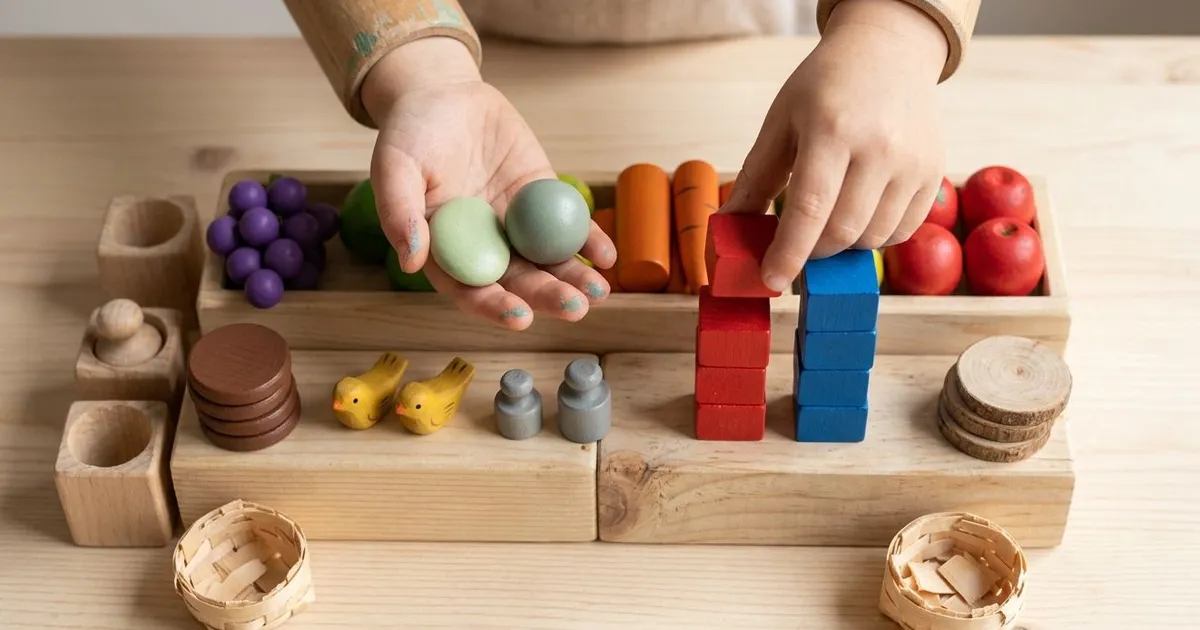
Start with objects a child can assess directly. Ask, “Is the spoon as long as the pencil?” Require a full answer: “No, the spoon is not as long as the pencil.” Older learners can compare books, travel times, sports, music, school tasks, or languages without ranking cultures or skills.
Complete the Comparisons
Fill each gap with as, many, much, or the correct form of the word in brackets.
1. The blue scarf is ___ soft ___ the white scarf.
2. The child walked as ___ as the guide. (careful)
3. We packed as ___ sandwiches as they did.
4. This jug holds as ___ juice as that jug.
5. The second song is not ___ long as the first.
Answers: 1. as, as; 2. carefully; 3. many; 4. much; 5. as.
Move from seeing to speaking, then writing. LearnLink tutors can model a sentence, change one detail, and request a personal example. Parents can repeat this sequence at home without creating a test: accept the idea, repair the grammar together, then let the child try again.
When a word has several meanings or pronunciations, Cambridge Dictionary is a useful check before turning it into child-friendly examples.
Frequently Asked Questions
At What Age Can a Child Learn As...as Comparisons?
Children can learn the pattern after understanding adjectives such as big, small, fast, and loud. A 5-year-old may examine toys orally; older children can study adjective, adverb, and quantity forms. Match the task to language level, not age alone.
Why Can’t We the Child “As Taller As”?
The frame as...as requires the basic adjective: as tall as. Taller belongs to taller than. “The towers are as tall as each other” shows equality; “One tower is taller than the other” creates a ranking.
Is “Not As...as” the Same as “Less...than”?
The meanings often overlap, but their focus differs. “This task is not as hard as the last one” treats the last task as the standard. “This task is less difficult than the last one” states the lower degree directly. Children may find not as...as easier because it extends the equality pattern.
Should a Child the Child “As Tall as Me” or “As Tall as I Am”?
Both are standard. “She is as tall as me” suits everyday speech. “She is as tall as I am” contains a full clause and suits formal writing. During sentence study, teach the full form; accept the object-pronoun form in conversation.
How Can Parents Use This Guide Without Giving a Grammar Lecture?
Choose familiar objects or experiences, ask one comparison question, and request a full sentence. As...as Comparisons for Kids: A Practical Guide supplies the pattern; the child supplies the idea. Compare two objects, repair one sentence together, then finish with the child’s own example.
Want to see how these ideas work in a real lesson — try a LearnLink trial lesson.
Stay updated on our latest tips and resources by following us on Instagram LearnLink.