Birthday Wishes in English for Kids
A birthday wish in English can be four words: “Happy birthday, dear Leo.” For children, birthday wishes in english for kids turn English into a warm action, not a school task. A child can copy one line into a card, record a voice message for a cousin abroad, or answer friends online. The aim: kind English that fits age, confidence, and relationship.
📥 Birthday Wish Builder for Kids
Warm, age-appropriate phrases and independent practice for meaningful birthday messages
Leave your email — we'll send the PDF to your inbox.No spam — the PDF plus one short reminder. Unsubscribe anytime.
What Families Need to Know
Birthday language links grammar with social meaning. Children practise greetings, names, wishes, and polite closings in a familiar setting. “Happy birthday” stays fixed, while nearby words change: “Have a fun day,” “I hope you like your gift,” or “You are a kind friend.”
For younger children, one sentence is enough. For older children, birthday wishes in english for kids can become a three-part message: greeting, personal detail, warm ending. That shape prevents blank-page stress.
Simple Structure for a Good Wish
A birthday message needs order, not long words. Teach children to start with the name, add one wish, and close warmly. Example: “Happy birthday, Sofia. I hope your day is full of fun. From Adam.”
Use the table before writing to choose the right shape.
This pattern keeps English polite across cultures. Families may hold parties, quiet birthdays, or religious traditions. A kind birthday wish works in each setting.
Examples by Age
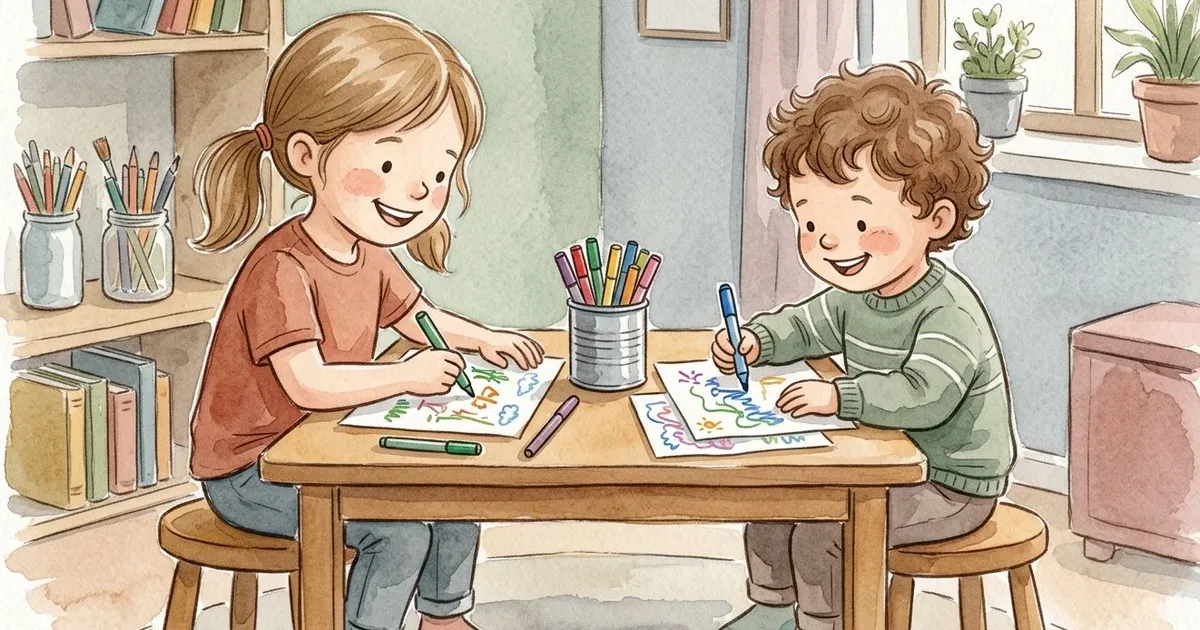
Across LearnLink lessons, our tutors help children build confident, everyday English step by step. A child may trace, copy, draw, or speak it. Speaking counts.
For ages 7 to 10, birthday wishes in english for kids can add detail: “Happy birthday, Grandpa. I hope you enjoy your cake and your walk in the park.” Children can choose “dear,” “to,” and “from,” and place commas and full stops.
For ages 11 to 15, tone can become personal: “Happy birthday, Sam. I’m glad we are in the same class. I hope this year brings you books, games, and friends.” Older children can choose casual, respectful, or family-close wording.
How to Use This at Home
Start with real birthdays on your family calendar. Ask who it is for, how close the person is, and whether it will be written, spoken, or sent by phone. The English task becomes concrete, and word choice matches the relationship.
Offer two or three sentence starters, not a script: “I hope you…,” “Thank you for…,” and “You are….” Small frames let children practise grammar while owning the message. Ownership builds confidence.
If your child is shy, let them rehearse privately first. In LearnLink lessons, tutors use cards, invitations, and thank-you notes to build calm spoken and written fluency for children aged 4-15.
Useful Wording for Different People
Birthday wishes in english for kids should sound different for a friend, a teacher, a parent, and a grandparent. That is social language, not vocabulary only. A child learns that “Have an awesome day!” may fit a classmate, while “I hope you have a peaceful and happy birthday” may fit an older relative.
Children can adapt these safe models. Friend: “Happy birthday, Lina. I hope your party is full of fun.” Sibling: “Happy birthday, Ben. Thank you for playing with me.” Teacher: “Happy birthday, Ms Green. I hope you have a happy day.” Grandparent: “Happy birthday, Grandpa. I love hearing your stories.”
Ask children to change one detail. “Your stories” can become “your cooking,” “your songs,” or “your garden.” That change turns copied English into real English.
Practical Activities
A short activity works better than a correction session. Read one model aloud, cover it, and ask your child to rebuild it from memory. Then change the name and one detail. The task supports spelling, sentence order, and meaning together.
Make a family card box with starters such as “I hope you…,” “Thank you for…,” “You make me feel…,” and “My favourite thing about you is….” Before a birthday, your child picks two cards and builds a message. For first-time online learners, a hands-on task makes English less abstract.
Practice: Finish the Birthday Wish
Ask your child to finish three lines: “Happy birthday, ____.” “I hope you ____.” “Thank you for ____.” Younger children can answer aloud; older children can write a full card message.
Keep correction light. If meaning is understandable, praise the message first, then fix one point: capital letter, full stop, or word order. Too much correction can turn the card into a test.
Common Mistakes to Avoid
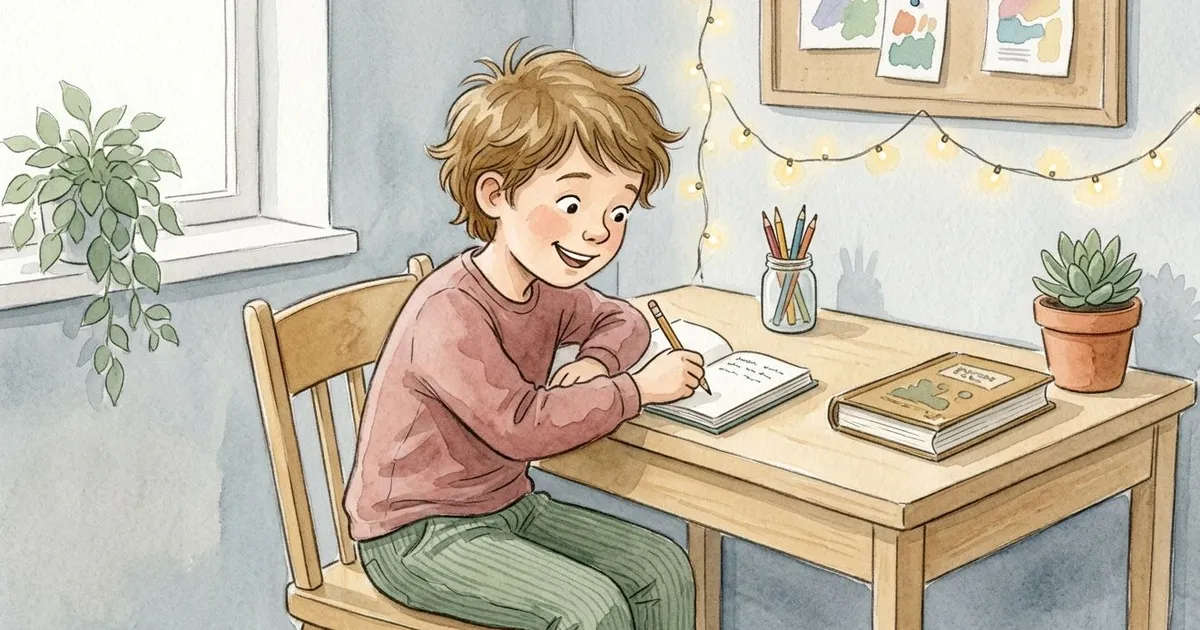
The first mistake is adult language children would never say. “Wishing you continued success and prosperity” may be grammatically correct, but it does not sound childlike. Better: “I hope you have a happy year.”
The second mistake is word-for-word translation from the home language. Birthday phrases from other languages may sound formal or unusual in English. Birthday wishes in english for kids should sound natural: “Have a fun day,” “I hope you like your presents,” or “I’m happy we are friends.”
Practice: Choose the Better Sentence
Show two options and ask which sounds more natural: “I congratulate you with your birthday” or “Happy birthday! I hope you have a fun day.” Then ask your child to write one natural sentence for the same person.
- Practice three birthday wishes in English for kids ages four to seven.
- Use one favorite book character to make each message feel personal.
- Keep sentences under eight words when helping early readers write cards.
- Ask your child to add one kind detail about the birthday friend.
- Read each wish aloud once to catch awkward or confusing phrases.
When a word has several meanings or pronunciations, Cambridge Dictionary is a useful check before turning it into child-friendly examples.
Frequently Asked Questions
How Many Sentences Should a Child Write in a Birthday Card?
For ages 4 to 6, one sentence is enough. For ages 7 to 10, two or three short sentences work well. Older children can write four or five sentences when they have something real to say. Warmth, grammar, and fit matter more than length.
Should I Correct Every Grammar Mistake?
No. Choose one correction for a real birthday. A card is a social act, not a worksheet. You might change “Happy birthday to you, the child” to “Happy birthday, the child,” or add a capital letter. Let the child keep ownership of the words.
Can Bilingual Children Mix Languages in the Same Card?
Yes, especially for younger children or close family. A bilingual card can feel natural in a multi-cultural home. If the learning goal is English practice, ask your child to keep the main wish in English and add one home-language word or family phrase if it feels right.
What Are Easy Birthday Wishes in English for Kids to Remember?
Start with reusable patterns: “Happy birthday, ____,” “Have a fun day,” “I hope you like your gifts,” “You are a kind friend,” and “With love, ____.” These birthday wishes in english for kids are short, natural, and easy to adapt for friends, siblings, parents, and grandparents.
When Should a Child Move from Copying to Writing Alone?
Move gradually. First, let your child copy a full wish. Next, change the name. Then change one detail. After several birthdays, children can choose a starter and finish alone. This path builds independence without making the task feel heavy.
A short one-to-one lesson can show what level and pace fit your child — book a free English lesson.
Stay updated on our latest tips and resources by following us on Instagram LearnLink.