English Traditions for Kids
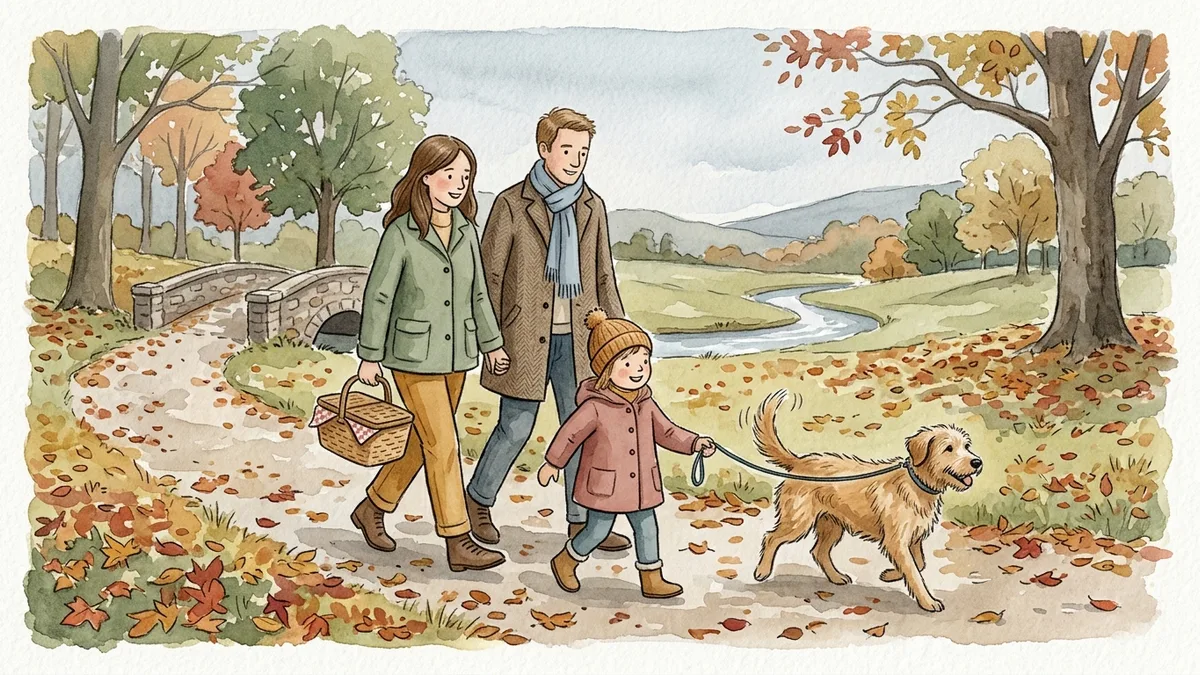
Integrating english traditions for kids into your home routine effectively combines pronunciation practice with cultural discovery. When children explore real-world customs, they naturally absorb the rhythm, stress patterns, and phonetic quirks of the language.
📥 English Pronunciation Practice for Kids
A printable home worksheet with mouth-shape practice, British and American listening notes, tongue twisters, and daily speaking tasks.
Leave your email — we'll send the PDF to your inbox.No spam — the PDF plus one short reminder. Unsubscribe anytime.
Mouth Shapes and the Magic of English Sounds
To help young learners master English pronunciation, consider how sounds are physically made. Other languages do not use dental fricative "th" sounds or English's open vowels. When a child struggles, it's rarely due to effort, but because they don't know where to place their tongue or shape their lips. Introducing english traditions for kids, like reciting playground chants or sharing a joke in english for kids, turns these physical adjustments into a game.
Consider the contrast between short /ɪ/ and long /iː/ sounds, as heard in "ship" and "sheep". According to the Cambridge English Grammar guide, vowel length is essential for meaning. For short /ɪ/ in "ship", the mouth is relaxed, slightly open. For long /iː/ in "sheep", lips stretch wide, as if smiling. Practice this distinction with minimal pairs:
Another hurdle is the "th" sound, voiced (as in "this") or unvoiced (as in "three"). Teach your child to gently place their tongue tip between front teeth and blow air out. It feels silly initially, but making a game of blowing paper scraps across the table using only "th" words makes it memorable.
British Versus American Pronunciation in Practice
Parents often wonder which accent standard their child should follow. Both British and American English are globally accepted varieties; exposure to both is beneficial. Across our lessons, we observe that children who hear diverse accents develop stronger listening comprehension. Explore these differences by observing how holidays and english traditions for kids are celebrated globally, perhaps even comparing them to other cultures by sharing Short Mexican Jokes for Kids in English.
One difference lies in "rhoticity" — how the "r" sound is pronounced. In standard American English, the "r" is pronounced clearly at the end of words like "car" or "water". In Southern British English (Received Pronunciation), that final "r" is often silent, turning into a vowel sound. For instance, "water" becomes "wah-ter" in New York but "wah-tuh" in London. Explore these differences by listening to a top 12 English podcast to learn English for kids in 2025, helping your child spot how different hosts say the same words.
Playful Pronunciation Drills and Tongue Twisters
An effective way to build muscle memory in the mouth is through playful repetition. Tongue twisters are a staple of classroom learning, challenging the brain to coordinate rapid muscle movements, making them effective for refining tricky consonant clusters. Coupling these linguistic games with historical english traditions for kids makes practice feel like a festive celebration, not schoolwork.
The Seashell Challenge
First, have your child repeat this classic line slowly, focusing on the transition between "sh" and "s":
🔤 sells seashells by the seashore."
Once they can say it perfectly three times in a row, try speeding up the tempo to test their tongue flexibility!
For younger children, start with a Poem on Rain in English for Kids to practice rhythm and intonation. Rhymes naturally emphasize English's musicality, helping children understand word stress without studying grammatical guidelines.
For children, the most common error is consonant swapping mid-phrase — producing "sells seashores" instead of the correct cluster sequence. The whisper drill addresses this directly: have the child mouth the difficult syllable silently three times before voicing it, training the tongue to find the correct position before speed pressure applies. Breaking the phrase into two-word chunks first, then joining them, prevents the brain from jumping ahead before the mouth has caught up.
Children aged 8–10 benefit from mirror practice, watching their own lip and tongue movement to catch habitual shortcuts — particularly dropping the final consonant in clusters like "-sts" or "-nds." Pairing these exercises with a traditional English nursery rhyme such as "Betty Botter" keeps sessions focused; five to seven minutes is the effective ceiling at this age before attention drops and errors multiply rather than decrease.
A Note on Parent Confidence and Home Practice
International parents worry their non-native accent might negatively impact their child's pronunciation. Set this worry aside. Children are adept at distinguishing speakers. Your primary role is to create a supportive, low-pressure environment where they feel comfortable making mistakes. You don't need a native accent to share english traditions for kids or play language games at home.
To support your child, focus on shared experiences. Listen to audiobooks together, watch quality British or American media, or sing along to a popular English song for kids. This exposure to diverse native voices, combined with your encouragement, provides the phonetic input your young learner needs. For regular conversation opportunities with native speakers, a professional one-on-one tutor can provide tailored guidance to build their confidence further.
A common mistake parents make is over-correcting mispronunciation mid-sentence, which interrupts a child's flow and builds self-consciousness. For children, a more effective technique is the "recast": simply repeat their utterance back with the correct form, without flagging the error. If your child says "I goed to the park," respond naturally — "Oh, you went to the park!" Children at this stage typically self-correct within three to five relaxed exposures to the target form, especially when correction feels like conversation rather than instruction.
Daily consistency also matters more than session length. Fifteen focused minutes each day — ten on shared reading, five on having your child retell the story in their own words — outperforms a single long weekend session. Retelling requires active retrieval and sequencing of language rather than passive absorption, which makes it one of the most efficient tools available to non-specialist parents.
How to Practice English Pronunciation Daily
Building clear speech habits is a gradual process thriving on consistency. Weaving speech games into your daily routine makes pronunciation practice a natural, joyful habit for your child:
- Exaggerate mouth movements — Show your child how your mouth moves when pronouncing tricky sounds, making it a visual imitation game.
- Use physical gestures — Use your hands to show sound length, stretching your hands wide for long vowels and clapping quickly for short ones.
- Record and play back — Use a phone to record your child saying a short phrase, then listen together to celebrate their clear sounds.
- Connect with culture — Bring english traditions for kids to life by celebrating seasonal events, using them as natural opportunities to practice thematic vocabulary.
With regular, playful engagement, your child will develop natural, confident pronunciation at their own pace.
FAQ
How Can I Help My Child Pronounce the "Th" Sound Correctly?
Show your child the physical shape of the sound. Have them look in a mirror, place their tongue tip gently between their teeth, and blow. Practice this while exploring English traditions for kids, pausing to repeat words like "thanks", "three", or "feather" in a playful way.
Does My Accent Affect My Child's English Pronunciation?
Not at all. Children are natural linguists who easily distinguish different accents. As long as your child has regular exposure to native audio sources, your encouraging home practice will boost their confidence. Exploring English traditions for kids together is a great way to bond while building their language skills.
What Are the Best Tools for Practicing English Pronunciation at Home?
Interactive tools are very effective for young learners. Use a dedicated English app for kids to access native audio models, or practice pronunciation through playful tongue twisters, songs, and rhymes. Combining digital resources with physical mouth-shape games keeps learning dynamic and fun.
At What Age Should Children Start Learning About English Traditions?
Children can begin engaging with English traditions from as early as 4-15 years old through simple songs, rhymes, and seasonal celebrations. At this stage, the focus should be on fun and exposure rather than formal learning. As your child grows, you can introduce more context and vocabulary around each tradition.
How Can English Traditions Help My Child Improve Their Language Skills?
Cultural traditions provide rich, memorable context that makes new vocabulary and phrases easier to retain. Activities like celebrating Guy Fawkes Night, learning about Bonfire Night, or singing traditional nursery rhymes give your child real-world language anchors. Repeated exposure to these traditions reinforces both speaking and listening skills in a natural, enjoyable way. Pair the celebrations with children's books in English that retell the same stories, so new words come back in print form. And if your child wants to read the rhymes on their own, our guide on how to teach a child to read shows where to start.
LearnLink builds confident everyday English for kids ages 4-15 through interactive, personalized lessons — book a trial lesson with LearnLink to start your child's language journey.
Stay updated on our latest tips and resources by following us on Instagram LearnLink.