Examples of the Verb "Like" for Kids
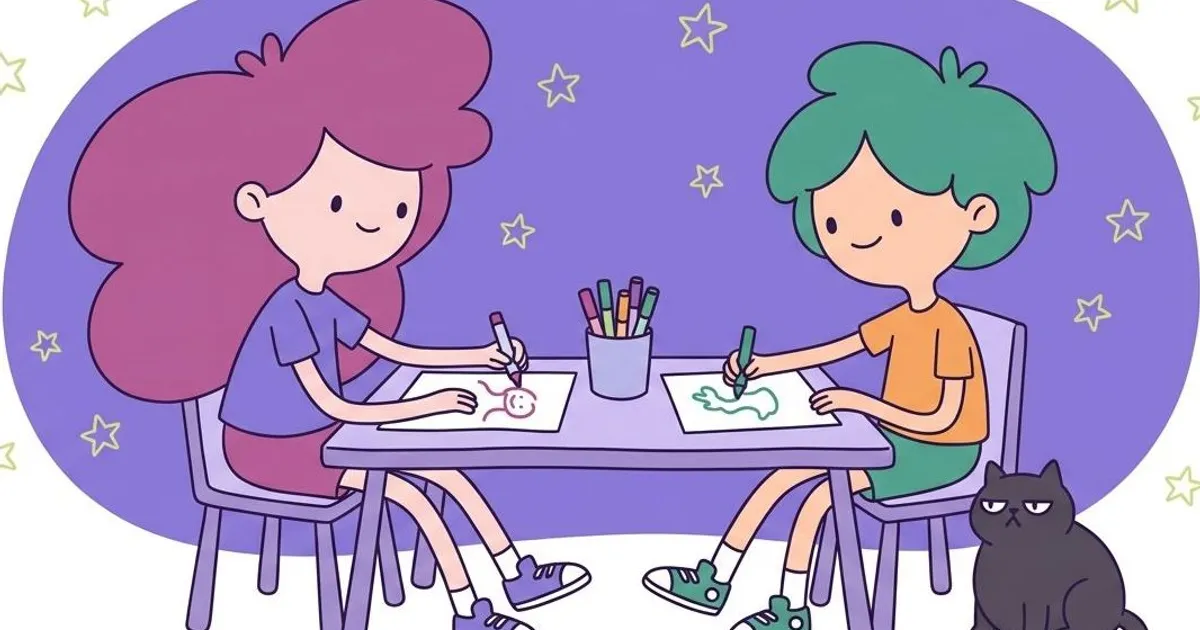
Start with 3 forms: like, likes, and do/does. like. The verb like means to enjoy, prefer, or feel positive about something. The verb like for kids lets children talk about real choices from lesson one: “I like apples,” “She likes cats,” “Do you like soccer?” Teach it with food, colors, animals, toys, music, sports, books, and school subjects. Build confidence first; grammar labels can wait.
📥 Like It! A Family Practice Pack
Build confident sentences with like, likes, don’t like, and doesn’t like
Leave your email — we'll send the PDF to your inbox.No spam — the PDF plus one short reminder. Unsubscribe anytime.
What Families Need to Know
Like is an early grammar step because it changes with he, she, and it. Children learn “I like pizza” and “You like games.” Then they notice “He likes pizza” and “She likes games.” That small -s is often missed, so repeat the pattern often.
The verb like for kids works best with choices the child can see or remember. Use objects, pictures, meals, hobbies, and family routines. “I like blue socks” is clearer than “I like abstract ideas.” Keep sentences short for younger children. Older children can add reasons: “I like science because we do experiments.”
Use like after I, you, we, and they; use likes after he, she, and it. Add questions and negatives after positive sentences feel natural.
The Basic Pattern
Start with one frame: person + like/likes + thing. For example: “I like bananas,” “We like cartoons,” “My sister likes music.” This gives children a stable base, so they can change one word at a time.
When the child is ready, add questions: “Do you like apples?” and “Does he like apples?” In questions, do and does carry the grammar, so the main verb stays like. Say “Does she like cats?” not “Does she likes cats?”
How to Use This at Home
Choose one word group for 2 or 3 days. Food is a strong start because children meet it daily: “I like rice,” “Dad likes soup,” “We like oranges.” Colors, animals, and games work too. Aim for steady recall, not a long list.
Use the verb like for kids in family talk. At breakfast, ask, “Do you like eggs?” While reading, say, “The dog likes the ball.” During clean-up, try, “She likes the red car.” Short lines move grammar into daily speech.
In online English lessons for kids, teachers build from a child’s choices because personal answers support memory. At home, use that method. If your child loves football, cats, mangoes, chess, or space, start there.
I like apples.
Do you like soccer?
She likes cats.
We like music.
He likes drawing.
They like science.
Examples by Age
For pre-school learners, use short, physical, repeatable lines. Point, mime, or hold up pictures: “I like dogs,” “You like juice,” “Teddy likes apples.” A young child needs rhythm, repetition, and a chance to copy, not a grammar lecture.
For early school-age kids, add contrasts and questions. Try “I like bananas, but I do not like lemons” or “Does your friend like Minecraft?” Children can sort words into groups and notice that likes belongs with one person.
For older school-age kids, make language honest and specific. Teen learners can use reasons, opinions, and soft disagreement: “I like history because the stories feel real,” “I do not like horror films,” or “She likes basketball, but she prefers volleyball.” The verb stays basic; ideas grow.
Common Mistakes to Fix Gently
The main mistake is missing the -s: “She like chocolate.” Instead of stopping the child each time, repeat the sentence correctly: “Yes, she likes chocolate.” This keeps talk moving and gives the right model.
Another mistake is using likes after does: “Does he likes pizza?” Give one rule and one example: after does, use like. Then ask two quick questions: “Does he like pizza? Does she like music?” Children need to hear the clean pattern again and again.
With the verb like for kids, avoid correction that feels like a test. Use one correction after several successful tries. If the child says a full sentence with meaning, answer the meaning first, then repair the grammar lightly.
Practical Activities
Make a family likes chart with 3 columns: name, likes, does not like. Add entries: “Mum likes tea,” “Leo does not like onions,” and “We like swimming.” The chart shows how grammar changes when the person changes.
Play a guessing game. One person thinks of a family member and says three clues: “This person likes cats. This person likes blue. This person does not like tomatoes.” The child guesses, then makes new clues. Older children can write the clues first.
Five-minute Home Practice
Put six objects or pictures on the table. Ask your child to make three sentences with I like, two sentences with she likes or he likes, and one question with Do you like.? Keep the pace light and stop before the child gets tired.
When to Add Longer Sentences
Once short sentences feel natural, add one extra piece: a reason, a second choice, or a contrast. Good frames are “I like ___ because ___,” “I like ___ and ___,” and “I like ___, but I do not like ___.” These frames move children from naming things to expressing opinions.
The verb like for kids leads into hobbies and school talk: “I like reading comics,” “He likes playing tennis,” “They like making videos.” Here, the second verb often ends in -ing. Do not rush the label “gerund” unless the child is old enough and interested. The target habit is the phrase: like + -ing.
For multilingual children, allow a short pause before answering. They may know the idea in another language first and need time to choose English words. A slow, correct sentence beats a rushed answer built under pressure.
- Start with 3 oral sentences: “I like.,” “You like.,” and “She likes.”
- Practice with 6 real objects before moving to written exercises.
- Try one question frame each day: “Do you like.?” or “Does he like.?”
- Use gentle recasts: answer the meaning, then repeat the sentence correctly.
For the rule wording, Wikipedia — English Grammar is a useful reference while the practice examples here stay adapted for children.
Frequently Asked Questions
At What Age Should a Child Learn the Verb Like?
Many children can start using I like from age 4 or 5 because it connects to daily choices. At that age, keep it oral and playful. Older children can learn the same verb through questions, negatives, reasons, and short written tasks. The verb like for kids grows from “I like cats” to “I like reading because it helps me relax.”
Should We Teach Like and Likes at the Same Time?
Teach I like first if your child is young or new to English. Add he likes and she likes once the first pattern feels natural. Children need time to hear the difference. Practice with pictures: “I like apples. She likes apples. They like apples.”
How Can I Help My Child Remember Do and Does?
Use questions that repeat the same structure. Ask “Do you like apples?” with different words, then move to “Does he like apples?” or “Does she like apples?” Keep answers short: “Yes, I do,” “No, he does not.” The helping word is learned faster in a real question-answer exchange.
What Should I Do If My Child Keeps Saying She Like?
Treat it as a normal stage. Repeat the sentence back with the correct form: “She likes pasta.” You can make a short chant: “I like, you like, she likes, he likes.” Avoid long correction sessions. Short, frequent repair works best for children still building confidence.
If your child needs steady speaking practice, start small — choose a trial lesson.
Stay updated on our latest tips and resources by following us on Instagram LearnLink.