Grammar Games for Teaching Articles to Kids
Articles are the small words a, an, and the. Grammar Games for Teaching Articles to Kids: A Practical the child helps children see whether a noun is general, one of many, or already known. This feels hard when a home language uses articles differently or has none. Games make the rule visible: one apple, an orange, the red ball on the table. A 5-year-old can choose cards; a 12-year-old can explain each choice.
📥 Article Adventures: A, An & The Practice
Four hands-on exercises to master a, an, and the
Leave your email — we'll send the PDF to your inbox.No spam — the PDF plus one short reminder. Unsubscribe anytime.
What Children Need to Understand First
Children need one idea before the formal rule: articles show what the listener knows about the noun. A and an mean “one, not a special one.” The means “you know which one.” This is the heart of Grammar Games for Teaching Articles to Kids: A Practical the child.
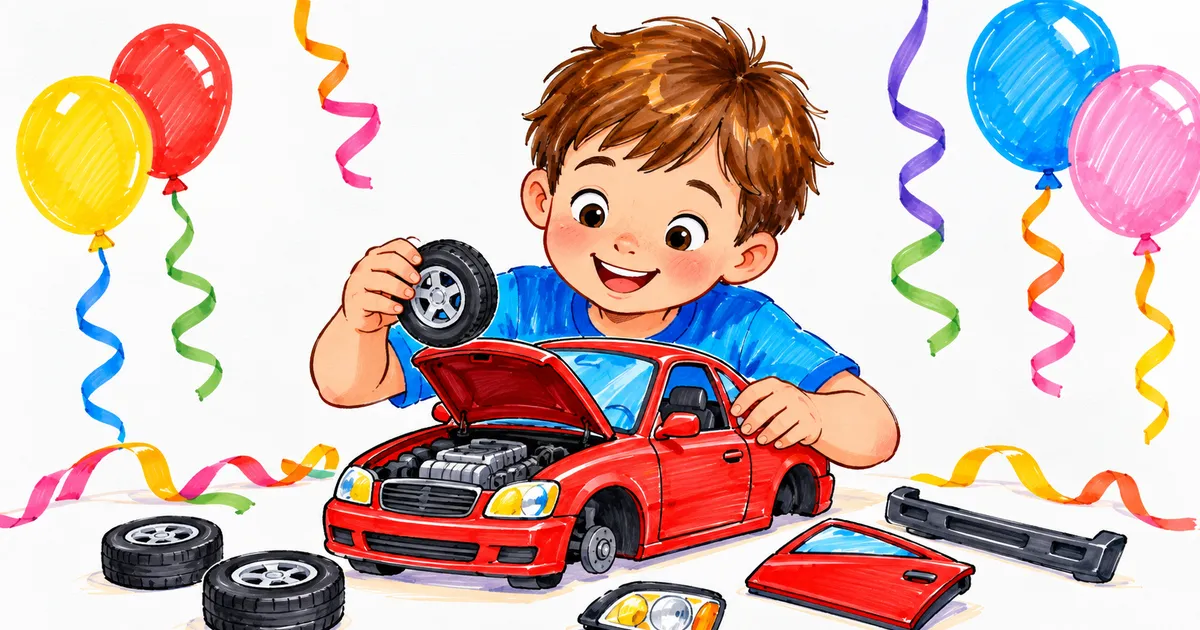
Use objects before worksheets. Put three pencils on a table and say, “Take a pencil.” Any pencil works. Then point and say, “Take the blue pencil.” Now only one pencil fits. A young child does not need “definite” and “indefinite” yet; they need the contrast between “one” and “that one.”
Older children can use labels. A and an are indefinite articles; the is the definite article. The grammar name matters less than the sentence choice.
How the Grammar Works
Use a before a singular countable noun when the noun is new: I saw a dog. Use an before a vowel sound: an apple, an egg, an old book. Sound matters more than spelling, so we say an hour but a university.
Use the when the listener knows which noun you mean. The noun may appear earlier: I saw a dog. The dog was small. Or there may be only one in the place: Close the door means the door in this room.
Some nouns take no article. Children say I like music, not I like the music, for music in general. They say Dogs are friendly, not The dogs are friendly, for dogs as a group. This general meaning takes time, especially for children translating from another language.
Rules and Examples Children Can Use
The easiest rule set fits a game: first time, use a or an; second time, use the; general idea, use no article. Grammar Games for Teaching Articles to Kids: A Practical the child works when home practice and lessons repeat the same wording.
Keep this compact table beside a game board or picture cards.
Keep examples concrete: toys, snacks, animals, rooms, colors. For school-age kids, add short stories and ask for reasons, especially in pairs such as I need a phone and I need the phone.
Common Mistakes and Quick Fixes
One common mistake is using the for every noun: I like the pizza when the child means pizza in general. Ask, “Do you mean all pizza, or one pizza here?” If the answer is all pizza, say I like pizza.
Another mistake is dropping a and an: She has cat. This often happens when the home language has no articles. Ask, “Can we count it? Is it one?” If yes, the child needs a or an: She has a cat.
A third mistake is choosing by spelling instead of sound. Children may write a apple because apple starts with a, or an uniform because uniform starts with u. Say the word aloud. Apple begins with a vowel sound, so it takes an. Uniform begins with a /y/ sound, so it takes a.
Games for Young Learners
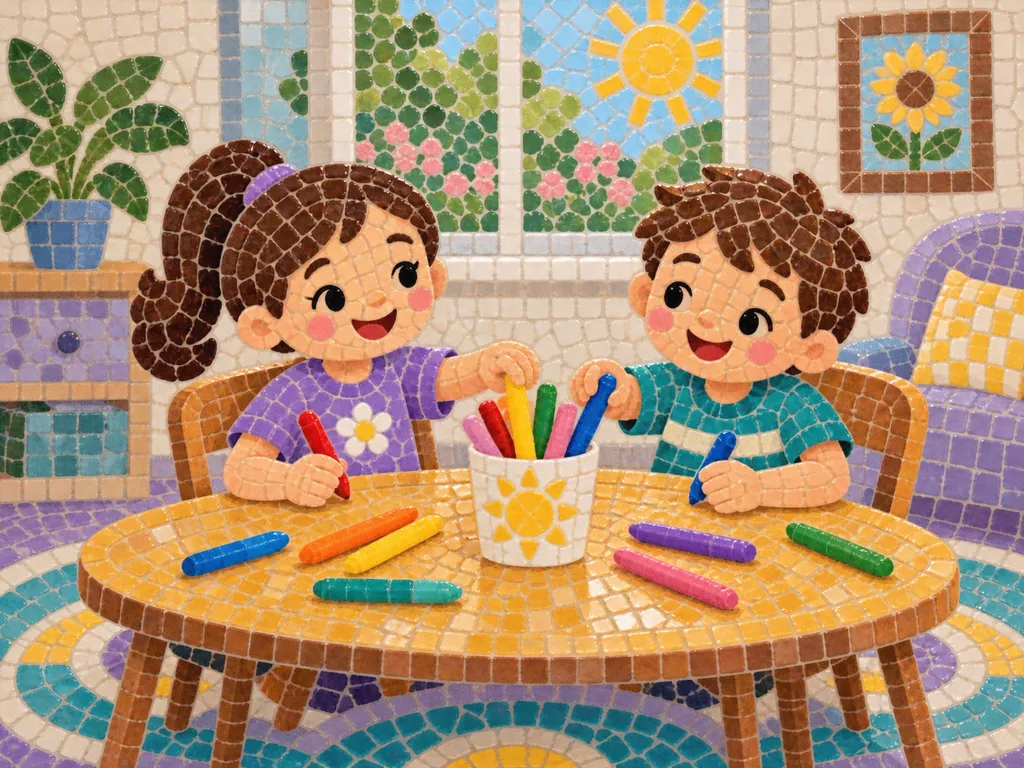
For school-age kids, teach articles through movement, pointing, and choice. Put picture cards around the room. Say, “Find a bear,” and accept any bear card. Then say, “Find the bear with a hat,” and let the child find the exact card. This makes a and the visible.
Try “Mystery Bag.” Put small objects in a bag. The child pulls one out and says, “It is a car,” “It is an orange,” or “It is a spoon.” Put two or three objects on the table and ask, “Where is the spoon?” The first sentence introduces the object; the second uses the.
Across LearnLink lessons, our tutors use spoken repetition before written tasks. A child who hears the difference in play builds a stronger base for later grammar work with our tutors.
Games for Older Children and Teens
For school-age kids, story games work well. Give six nouns: robot, island, key, map, river, boat. The child starts a story with a or an: A robot found an island. When the noun returns, the child must use the: The island had a river.
Use “Article Court.” One child writes a sentence, and another explains the article choice like evidence: “I wrote the map because we already mentioned it.” Grammar becomes reasoning, not guessing. Grammar Games for Teaching Articles to Kids: A Practical the child should help older learners discuss rules without turning the lesson into a lecture.
Teens benefit from contrast cards: I went to school and I went to the school near my house; She plays piano in some varieties and She plays the piano in others. With regional differences, teach the pattern your child will meet in lessons, books, and exams, without treating one family’s English as the only correct form.
Practice Activities
Practice should be short, active, and checked right away. Long worksheets can train gap filling by rhythm. Stronger practice asks children to choose, explain why, and use the sentence in a new context.
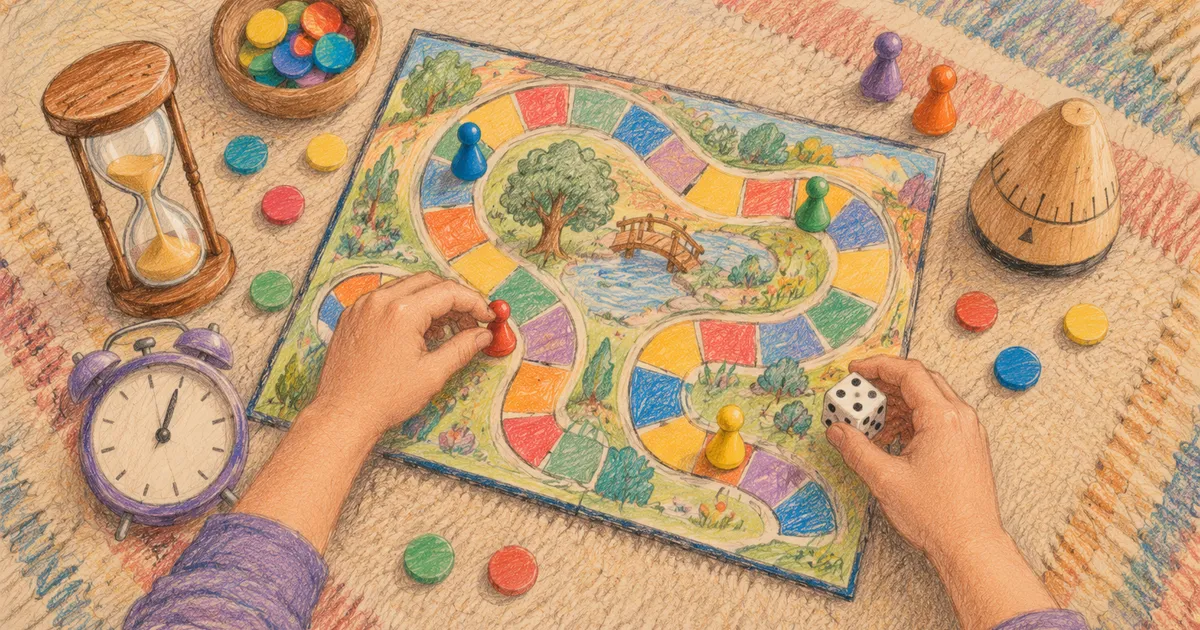
Use these blocks as mini-games. A parent can read the prompt aloud; the child answers with cards, counters, or quick written notes.
Fill in the Article
Choose a, an, the, or no article: 1. I saw ___ elephant. 2. ___ elephant was drinking water. 3. My brother likes ___ apples. 4. We found ___ old coin. 5. Please close ___ window.
First Time, Second Time
Make two sentences with each noun. First introduce it with a or an. Then mention it again with the: cat, egg, bike, island. Example: I saw a cat. The cat was sleeping.
General or Specific?
Say whether each sentence means “all in general” or “one specific thing”: 1. I like books. 2. I like the book on your desk. 3. Milk is cold. 4. The milk in my cup is cold. 5. Birds can fly.
How to Support Practice at Home
Keep correction light. If a child says, “I have dog,” answer naturally: “Yes, you have a dog. What is the dog’s name?” This gives the correct form without stopping the thought. Later, during a game, ask the child to notice the article.
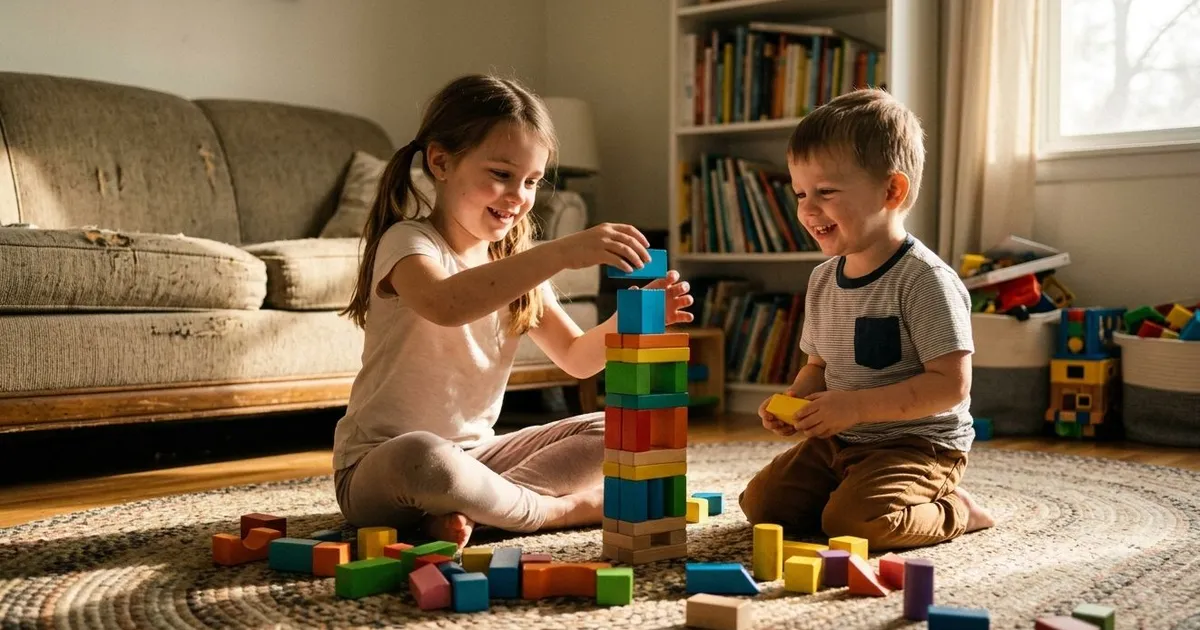
Use home routines. At breakfast: Pass me an apple, then The apple is red. While reading: “We met a dragon. Now the dragon is flying.” During tidying: “Put a block in the box. Put the blue block on the shelf.” Small repeats build grammar faster than one long weekly drill.
Grammar Games for Teaching Articles to Kids: A Practical the child is not about making every sentence perfect at once. It helps children hear a pattern, try it safely, and use it with nouns they care about.
- Try five-minute article hunts with ages 6-8 during shared picture-book reading.
- Practice choosing a, an, or the with ten labeled kitchen objects.
- Use one favorite storybook to circle articles before bedtime tonight.
- Play a three-round guessing game using specific and general noun clues.
- Review mistakes gently by modeling the full sentence aloud twice.
For the rule wording, British Council LearnEnglish Kids is a useful reference while the practice examples here stay adapted for children.
Frequently Asked Questions
At What Age Should Children Learn Articles in English?
Children can hear a, an, and the from their first English lessons, even at age 4 or 5. Formal rule talk can wait. Young children need object games and models. Older children can learn grammar names and explain choices. The same rule grows with the child.
Why Does My Child Keep Forgetting Articles?
Articles are small, unstressed words, so children may miss them. Some home languages do not use articles like English. This is not laziness. Use short correction, repeated examples, and games where the article changes the action: take a card versus take the red card.
Should I Correct Every Article Mistake?
No. Correct every mistake only during a focused grammar game or written task. In free speaking, choose one or two patterns to model. If you stop every sentence, the child may speak less. A useful balance is: let the message finish, repeat the sentence correctly, and practise the pattern later.
What Is the Best Game for Teaching a and The?
The best first game is a pointing game with real objects. Say “Give me a pencil,” when any pencil is fine. Then say “Give me the green pencil,” when only one pencil is correct. This makes the grammar visible. Grammar Games for Teaching Articles to Kids: A Practical the child starts with this contrast.
How Long Does It Take to Use Articles Correctly?
Most children need steady exposure over time. They may use articles well in a game but forget them while telling a story. That is normal. Accuracy grows when children meet the same pattern in listening, speaking, reading, and writing. Short practice several times a week works better than rare long drills.
Start your child's English journey today — book a trial lesson with LearnLink.
Stay updated on our latest tips and resources by following us on Instagram LearnLink.