How Many Words Do Kids Need to Know
Children need about 2,000-3,000 active English words for everyday talk, plus a larger passive vocabulary they understand when listening or reading. A 5-year-old does not need the same vocabulary as a 14-year-old, and a bilingual child may build English in a different order. Fluency grows from words, repeated phrases, listening, and chances to speak. Do not chase a dictionary count. Help your child use English to ask, answer, play, read, explain, and join real conversations.
📥 First Fluency Word Groups for Kids
A printable practice sheet with core English words and phrases children can use right away.
Leave your email — we'll send the PDF to your inbox.No spam — the PDF plus one short reminder. Unsubscribe anytime.
Core Words and Phrases Children Need First
First English words should help a child act. Colours, animals, food, family members, toys, school objects, body parts, clothes, weather, and daily actions matter because children can point, touch, draw, or use them in play. Words such as go, come, want, like, need, can, have, and see give children speaking power sooner than long themed lists.
Build from single words into short phrases: red car, I want water, Where is my bag?, Can I play?, It is under the table. This is why How Many Words Do Kids Need to Know to Be Fluent in English? Words and Activities for Children should not become a race. A child who can use 500 words in flexible phrases is often more ready to speak than a child who can recite 1,500 isolated words.
For younger learners, start with home, play, food, animals, colours, numbers, and feelings. Then add school language, hobbies, time words, stories, opinions, and everyday questions. Older school-age kids can include study words, online life, sports, friendship, planning, and explanations such as I agree because. or I am not sure yet.
I want water.
The ball is under the chair.
I am hungry after school.
I like it because it is funny.
Choose milk or juice.
My bag is behind the door.
Word Counts by Stage
Word counts help with planning, not pressure. Active words are words your child can say or write without help. Passive words are words your child understands when hearing or reading. Passive vocabulary is larger.
The table below gives a practical classroom view. It is not a test score or a promised level. It shows why regular short practice works more effectively than one large vocabulary list.
Examples in Context
Children remember words when words sit inside sentences. Teach apple with I want an apple, The apple is green, and Do you like apples?. Teach cold with My hands are cold, It is cold today, and I need a jacket. Context joins grammar, sound, and meaning.
For younger children, context can be physical. Put a toy under a chair and say, The bear is under the chair. Move it and ask, Where is the bear now? For older children, context can be personal: I usually play football on Saturday, but today I am staying home. One word then grows into time, contrast, and reason.
When families search How Many Words Do Kids Need to Know to Be Fluent in English? Words and Activities for Children, they often expect one number. Use this home rule: every new word needs three homes. One picture, one action, and one sentence. If your child learns hungry, show a face, act it out, and use I am hungry after school.
Activities by Age
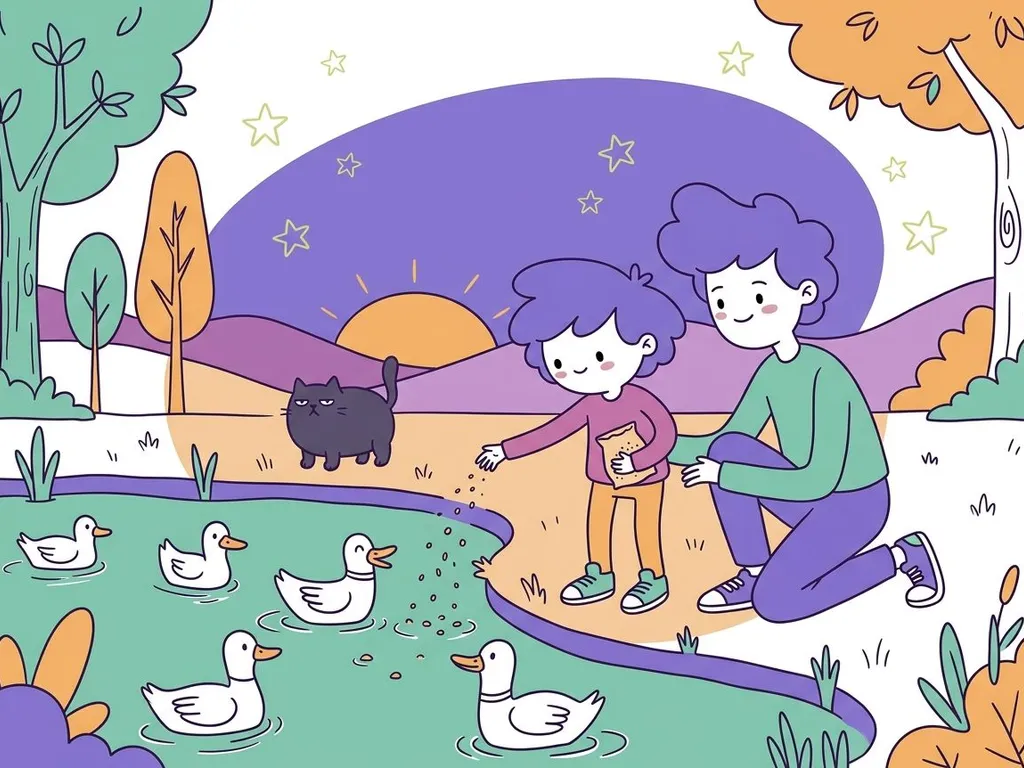
For younger school-age kids, use movement and choice. Ask your child to touch something blue, bring a small toy, feed a pretend animal, or choose between milk and juice. Keep language short. A set of 6-8 words is enough for one sitting when the child can hear, say, and use each word.
For middle school-age kids, add sorting, matching, reading, and mini-dialogues. Children can group words into sets: food, places, actions, and feelings. They can also notice patterns: I play, she plays; one box, two boxes; I like swimming, I do not like running.
For older school-age kids, vocabulary needs choice and meaning. Ask for opinions, reasons, rankings, and short explanations. A teenager can sort words by strength, such as good, great, excellent, or by use: chat words, school words, and formal writing words. In online lessons with LearnLink tutors, this helps older learners sound precise without stiff speech.
Practice Box: Three Homes for One Word
Choose one word, such as behind. First, show it with a toy: The car is behind the box. Next, draw it. Then ask your child to make a true sentence: My school bag is behind the door. Repeat with next to, between, and in front of.
Practice Ideas That Build Fluency
Short daily practice works because children meet the same words often. Use a 10-minute rhythm: review five known words, add two new words, then play or speak with the seven words. Stop before the child is tired. Ending while the task feels possible protects confidence.
Use family routines. At breakfast, name food and choices: toast, egg, banana, I want., I do not want.. While dressing, use clothes and colours. While walking, use weather, transport, numbers, and positions. The words belong to the day, not only to a worksheet.
Reading aloud is strong practice. Choose a short page and pick 5-8 words, not every unknown word. Ask questions: Who is sad?, What is big?, Where are they going?. For older children, add Why? and What do you think will happen next?
Common Mistakes to Avoid
The first mistake is teaching too many nouns and too few verbs. A child may know dog, cat, ball, and bike, but still struggle to speak because there are no action words. Add verbs early: run, jump, open, close, give, take, make, find.
The second mistake is testing more than teaching. If every word becomes What is this?, children may freeze. Model first: This is a spoon. I need a spoon. Can you find a spoon? Then invite a response. Children need calm hearings before speech feels easy.
The third mistake is treating How Many Words Do Kids Need to Know to Be Fluent in English? Words and Activities for Children as one fixed answer for every child. Age, memory, reading skill, confidence, home languages, lesson pace, and interests change the path. A child who loves dinosaurs may learn sharp, tail, huge, and dangerous before classroom words. Interest helps.
- Start with 10 useful daily words before adding new vocabulary games.
- Read one age-appropriate picture book aloud for 15 minutes today.
- Practice five target words during snacks, bath time, and bedtime routines.
- Use simple sentences instead of isolated word drills with preschool children.
- Review yesterday's words through drawing, pointing, and two-choice questions.
When a word has several meanings or pronunciations, Cambridge Dictionary is a useful check before turning it into child-friendly examples.
Frequently Asked Questions
How Many English Words Should a 5-year-old Learn First?
A 5-year-old can begin with 100-200 English words over time, but the number matters less than use. Start with family, toys, food, animals, colours, actions, feelings, and phrases such as I want., I like., and Help me, please. Keep practice playful and short.
Should My Child Learn Word Lists or Full Sentences?
Use both, but do not leave words alone. A small list helps you plan; sentences help your child speak. If the word is water, add I want water, Cold water, please, and Where is my water?. This turns vocabulary into communication.
How Many Words Do Kids Need to Know to Be Fluent in English? Words and Activities for Children If My Child Is Bilingual?
A bilingual or multilingual child may not show English growth in a straight line. Words may be known in one language first, then transfer later. For everyday English fluency, children often need about 2,000-3,000 active words, but bilingual learners may understand more than they say for a while. Give them time to answer.
How Can I Tell If My Child Is Becoming Fluent?
Look for flexible use, not perfect grammar. Your child is growing in fluency when they can ask for help, answer questions, retell a small event, describe a picture, choose words for a game, and repair a sentence when stuck. Small self-corrections show progress.
- Start with 6-8 useful words your child can touch, see, act, or use in a real sentence.
- Practice each new word in three homes: one picture, one action, and one sentence.
- Try short daily review before adding more words, so vocabulary becomes speech instead of memory work.
Start your child's English journey today — book a trial lesson with LearnLink.
Stay updated on our latest tips and resources by following us on Instagram LearnLink.