No vs. Not Grammar Rules and Examples for Kids
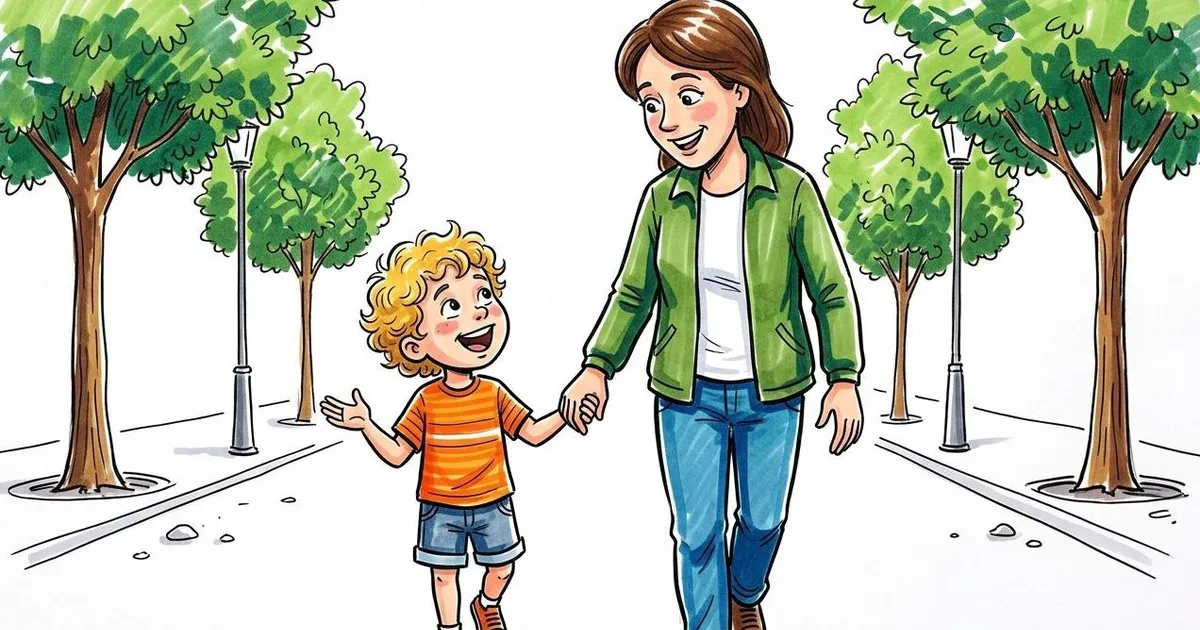
Use no before a naming word to mean “none”; use not to negate an action, description, or idea. No vs. Not: Grammar Rules and Examples for Kids gives one practical test: no points to a person, thing, or amount; not changes what someone is, does, or thinks. Compare “We have no bread” with “We do not have any bread.” The meaning matches, but the grammar differs. Sorting examples by function helps children master the distinction.
📥 No or Not? Practice for Young Learners
Choose, match, correct, and rewrite negative sentences
Leave your email — we'll send the PDF to your inbox.No spam — the PDF plus one short reminder. Unsubscribe anytime.
What Children Need to Understand First
Position determines the choice. In “the child are no apples,” no shows a zero quantity. In “The apples are not fresh,” not negates fresh.
For a child aged 5 to 9, teach: no + thing; not + action or description. Compare “no toys,” “no water,” “not running,” and “not cold.” Older learners can use the grammar terms: no often functions as a determiner; not functions as an adverb.
Use No vs. Not: Grammar Rules and Examples for Kids by asking, “What follows the negative word?” A person, place, thing, or amount often requires no. A verb, adjective, adverb, or prepositional phrase often requires not.
How to Use No
Place no directly before a naming word to mean zero, none, or not any. Use it with plural countable words (“no pencils”), uncountable words (“no rice”), or a singular example: “the child is no reason to worry.”
Never place a, an, some, or any between no and the word it determines. Say “the child is no bicycle outside,” not “the child is no a bicycle outside.” Say “We have no sugar,” not “We have no any sugar.” Keep the verb positive: “She has no brothers.”
No vs. Not: Grammar Rules and Examples for Kids covers two other jobs of no. It forms a complete answer—“No, I cannot swim today”—or a refusal: “No, thank you.” Signs place it before an -ing form: “No running” or “No parking.”
How to Use Not
Use not with a helping verb or be: is not, are not, do not, does not, did not, will not, and cannot. Examples: “Mina is not tired,” “They do not eat meat,” and “We will not be late.”
After does not or did not, choose the main verb’s base form. Write “He does not like carrots,” not “He does not likes carrots”; “They did not go,” not “They did not went.” The helping verb carries the tense.
In No vs. Not: Grammar Rules and Examples for Kids, not precedes descriptions and phrases: “not noisy,” “not quickly,” “not at school,” and “not after dinner.” LearnLink tutors pair positive and negative sentences: “The bag is heavy” and “The bag is not heavy.” Children hear the contrast immediately.
A Side-by-side Comparison
This No vs. Not: Grammar Rules and Examples for Kids table connects each choice to sentence structure. Check the word after no or not, then identify a name, action, or description.
Two structures can express one idea. “the child are no clean cups” and “the child are not any clean cups” nearly match in meaning. The first is shorter; the second combines not with the verb and any with the object being counted. Teach both patterns without mixing them.
Common Mistakes and Clear Corrections
Placing not directly before a thing word produces “I have not pencils.” Write “I have no pencils” or “I do not have any pencils.” Before an adjective, choose not: “The game is not difficult,” not “The game is no difficult.”
Children may omit the helping verb. Change “She not likes music” to “She does not like music,” and “We not went yesterday” to “We did not go yesterday.” Rebuild the complete verb group, then repeat the correction aloud.
Standard school English avoids two negatives in one clause. Replace “I do not have no paper” with “I do not have any paper” or “I have no paper.” Dialects may use double negatives consistently. Explain that classroom and formal writing require the standard pattern without criticising family speech.
Practice Activities for Home or Class
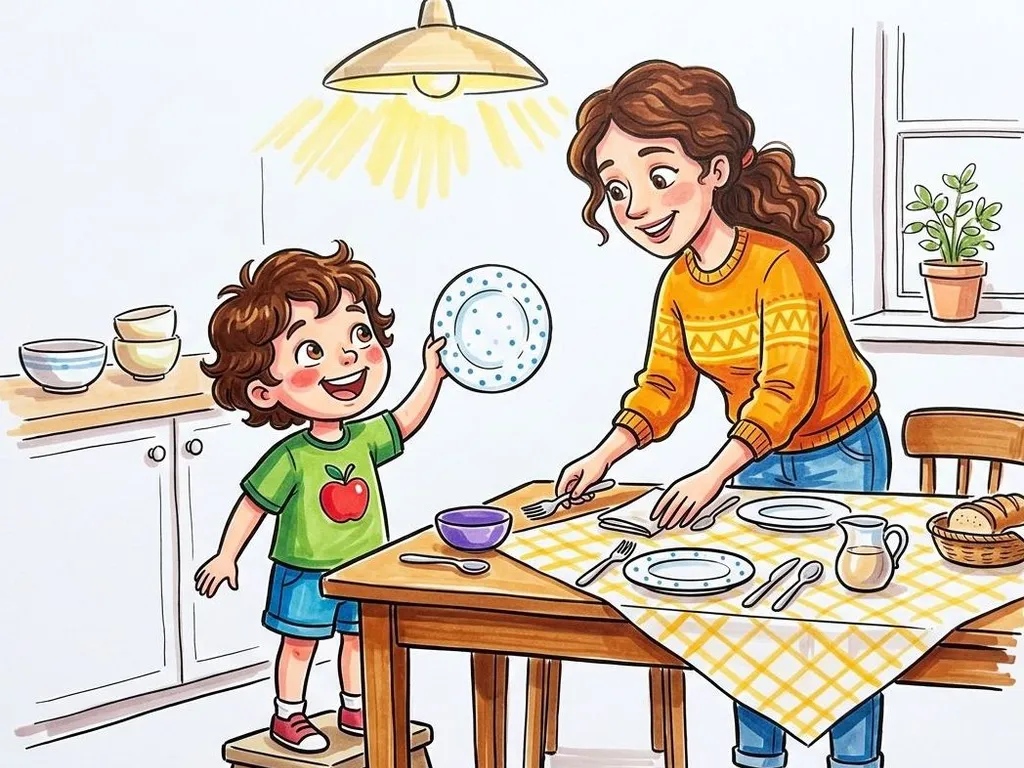
Run a five-minute practice round. Younger children can point to objects while saying “no blocks” or “not red.” Independent readers should explain each choice. Older learners can rewrite every sentence in a second correct form.
Repeat the contrast on three different days. Keep the frame but replace its key words: “the child is no milk,” “the child is no sand,” and “the child is no space.” Then practise “It is not warm,” “It is not open,” and “It is not here.”
Choose No or Not
Complete each sentence.
1. the child is ___ cheese in the fridge.
2. My shoes are ___ wet.
3. We have ___ lessons tomorrow.
4. Leo does ___ speak French.
5. The bus is ___ here yet.
6. the child were ___ empty seats.
Answers: 1. no; 2. not; 3. no; 4. not; 5. not; 6. no.
Rewrite the Sentence
Change each sentence without changing its basic meaning.
1. We have no eggs. → We do not have any eggs.
2. the child is no snow. → the child is not any snow.
3. She does not have any pets. → She has no pets.
4. No students were late. → the child were not any students who were late.
5. I have no questions. → I do not have any questions.
Find and Fix the Mistake
Correct each sentence.
1. He is no hungry. → He is not hungry.
2. We have not bananas. → We have no bananas.
3. She does not likes maths. → She does not like maths.
4. I do not have no homework. → I do not have any homework.
5. the child is no a park nearby. → the child is no park nearby.
For the rule wording, Wikipedia — English Grammar is a useful reference while the practice examples here stay adapted for children.
Frequently Asked Questions
What Is the Easiest Way to Explain No and Not to a Young Child?
Teach: “no goes with a thing; not changes an action or description.” Show an empty pencil case and say, “No pencils.” Then hold up a red pencil and say, “The pencil is not blue.” No vs. Not: Grammar Rules and Examples for Kids expands this rule as children recognise naming words, verbs, and adjectives.
Can No and Not Express the Same Idea?
Yes, after restructuring the sentence. “We have no bread” and “We do not have any bread” share a meaning, but swapping one word fails: “We have not bread” is not standard English. Teach both complete patterns: no + naming word and not + any + naming word.
Why Do We Say “No Running” but “Do Not Run”?
“No running” is a short rule; running names an activity. “Do not run” is a command containing the helping verb do, negative not, and base verb run. Both are correct, but the command addresses a person directly.
Is Not Always Placed After a Verb?
No. It often follows be or another helping verb: “is not sleeping” and “cannot come.” It may directly precede an adjective, adverb, or phrase: “not ready,” “not slowly,” and “not before Friday.” A complete sentence still needs a verb, as in “The team is not ready.”
How Should Multilingual Children Practise This Difference?
Use full English sentence pairs instead of isolated translations. Languages may order negatives differently or use one word where English uses two patterns. Ask children to sort examples into “no + naming word” and “verb + not.” Comparing languages sharpens attention without treating one as the default.
Start your child's English journey today — book a trial lesson with LearnLink.
Stay updated on our latest tips and resources by following us on Instagram LearnLink.