Poem on Rain in English for Kids
Did you know a simple poem on rain in english for kids can introduce a child to 10-15 new words and sounds in just a few minutes? For parents helping their children learn English at home, poetry is one of the most effective and enjoyable tools available. It’s not about memorizing long texts, but about feeling the rhythm of the language. This approach builds a strong foundation for a child's confidence in speaking and understanding.
Why Poems Are a Secret Weapon for Language Learning
Poems are much more than just words on a page; they are a playground for language. The rhythm and rhyme inherent in poetry make it naturally musical and memorable for children. This is crucial for developing phonological awareness—the ability to hear and play with the sounds in words. According to research from literacy organizations like Reading Rockets, this skill is a primary predictor of future reading success.
When a child recites a simple line like "Pitter-patter, pitter-patter, listen to the rain," they are practicing pronunciation, intonation, and stress without even realizing it. The repetition builds memory, helping new words move from short-term to long-term memory. A well-chosen poem on rain in english for kids can effortlessly introduce concepts like onomatopoeia (sound words like 'splash' or 'drip'), adjectives ('grey' clouds, 'wet' ground), and verbs ('falling,' 'dancing'). It's a holistic way to improve a child's grasp of the language and their English pronunciation skills.
Finding the Perfect Poem for Your Child's Age
The key to success is matching the poem to your child's developmental stage. For a 5-year-old, the best poems are short, with a clear rhythm and simple, repetitive phrases. The focus is on sound and enjoyment, not complex meaning. Think of verses that are easy to chant and pair with actions.
For an 8 or 9-year-old, you can introduce poems with more descriptive language and a simple narrative. They can handle more abstract ideas and richer vocabulary. The goal is to find a poem on rain in english for kids that sparks their curiosity and imagination. It should feel like a fun discovery, not a difficult school task. Always read the poem aloud first yourself to make sure the rhythm feels natural and engaging before sharing it with your child. This is a great way to support their English for primary school journey.
From Reading to Playing: How to Make Poems Interactive
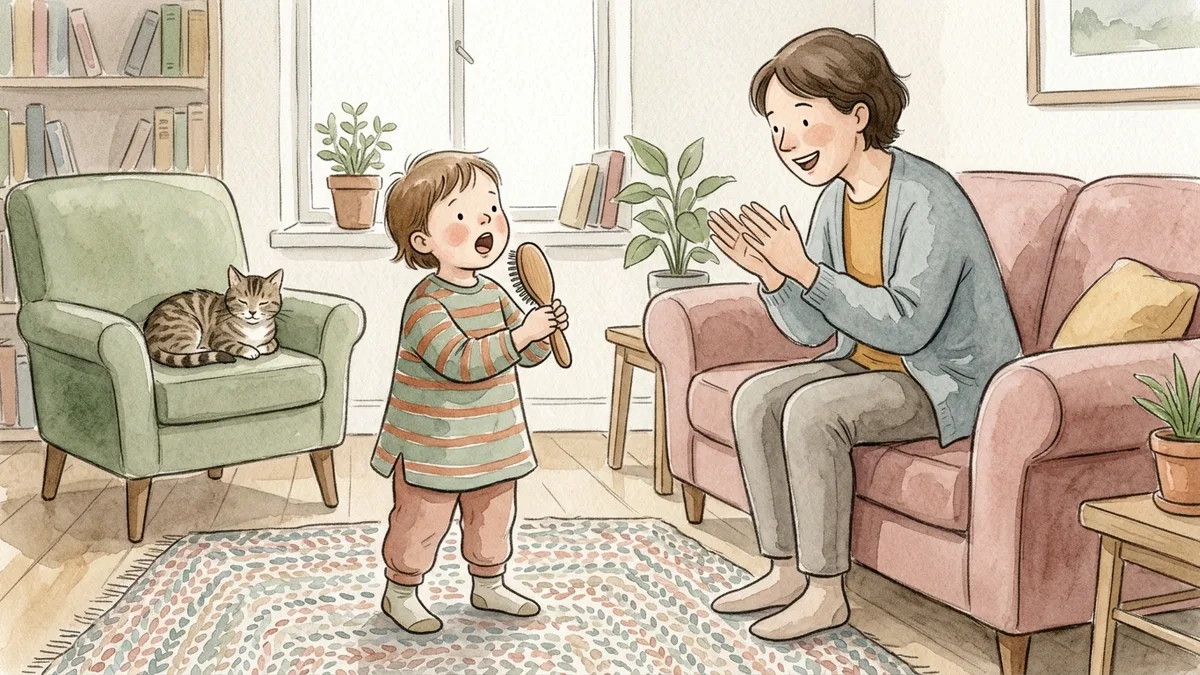
The magic happens when you take the poem off the page and turn it into an interactive game. This active engagement helps cement the new words and makes the experience joyful. The goal is to make any poem on rain in english for kids a memorable, multi-sensory event.
Here are a few practical strategies our tutors use that you can try at home tomorrow:
- Act It Out: Use your hands and body to show the meaning. Wiggle your fingers down to show falling rain. Stomp your feet for a loud 'thunder' sound. Cup your hand to your ear for 'listen.'
- Draw the Poem: After reading the poem a few times, get out some crayons or paint. Ask your child to draw what they heard. Can they draw the big grey clouds? The green umbrella? The splashing puddles?
- Sound Effects: Make the sounds of the poem together. Whisper the 'drip, drop' and shout the 'crash!' of thunder. This makes learning playful and helps with pronunciation. It uses similar principles to learning with best English songs for kids.
- Ask Open Questions: Instead of quizzing them, ask questions that encourage thought. "What does the rain sound like to you?" or "How does the rain make the flowers feel?" This builds comprehension and conversational skills.
Common Hurdles and How to Gently Clear Them
It’s completely normal to hit a few bumps along the way. Many parents worry they are doing something wrong if their child isn't instantly engaged or pronounces every word perfectly. The most important thing is to maintain a positive and encouraging atmosphere.
One common hurdle is a child's reluctance or shyness. If they don't want to repeat the lines, don't force it. Instead, you can be the performer and just let them listen and watch. Your own enthusiasm is contagious. Another point is to resist over-correcting pronunciation. If they say a word incorrectly, you can simply repeat the line back with the correct pronunciation in a natural way, without singling out their mistake. The primary goal is communication and confidence, not perfection. If you need more ideas on building a positive learning environment, our guide on how to improve English for kids offers many supportive strategies.
Summary and Your Next Steps
To recap the main points for using poems to teach English at home:
- Choose simple, rhythmic poems that are appropriate for your child's age and interests.
- Make it a fun, daily routine, even if it's just for five or ten minutes before bed.
- Use actions, sounds, and drawings to bring the words to life and make them more memorable.
- Focus on enjoyment and connection over perfect pronunciation and memorization.
These simple steps create a positive and effective foundation for your child's language learning journey.
Frequently Asked Questions
What Is the Best Age to Introduce English Poems to Kids?
You can start as early as age 4 or 5 with simple, repetitive rhymes. The key is rhythm and fun, not complex meaning. As they grow, you can introduce poems with more story and description. Across LearnLink lessons, we find that short, engaging poems work well for the entire 5-9 age range, helping them learn common English vocabulary words for kids.
How Often Should We Practice a Poem?
Consistency is more important than duration. Reading a short poem together for 5-10 minutes every day is far more effective than one long session per week. This repetition helps build memory and makes the new vocabulary stick. This approach works well for a variety of English cartoons for kids too.
My Child Gets Bored with Poems. What Can I Do?
This is a common concern! Try turning the poem into a game. Use funny voices for different lines, create a simple puppet show about the poem's characters, or even put the words to a simple tune. If a specific poem on rain in english for kids isn't working, switch to another topic they love, like English farm animals for kids. The goal is to connect language with play.
Can Poems Really Help Improve My Child's Pronunciation?
Absolutely. The rhyme and rhythm in poetry highlight the natural stress and intonation patterns of English. When children hear and repeat these patterns, it trains their ear and mouth for more natural-sounding speech. It's a foundational part of our approach to creating essential English social chunks for kids and building speaking confidence.
Ready to bring English learning to life? Our certified tutors use fun, interactive methods like stories and poems to build your child's confidence — book a trial lesson with LearnLink and see how we make learning an adventure.