Poems for Kids Learning English
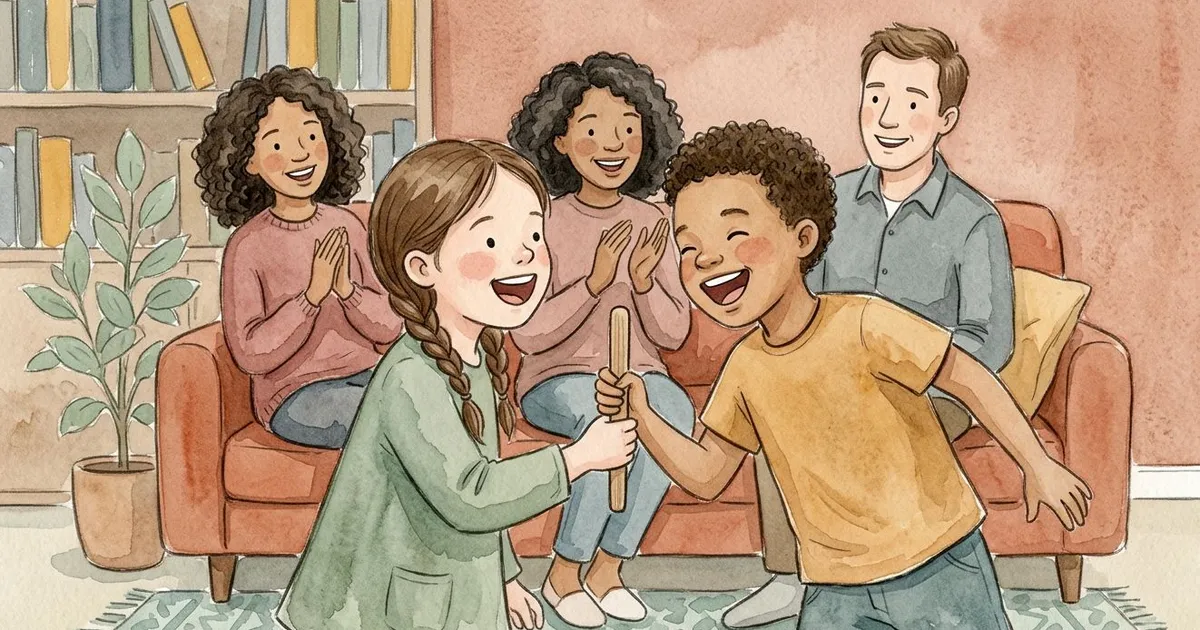
poems for kids learning english give children brief, patterned language for hearing rhythm, remembering words, and practising speech without long-reading pressure. Strong young-learner poems feel brief, easy aloud, and rooted in real life: family, animals, weather, feelings, school, food, or play. For ages 4-15, poems work best as language tools, not performance pieces. At home, one poem can become a two-minute listening habit, speaking warm-up, memory game, or calm bedtime routine.
What Families Need to Know
Poems train children’s ears for English sound. Rhyme, beat, and repeated lines make new words easier to catch. A child hearing “cat,” “hat,” and “mat” learns three words while noticing English word endings.
For multilingual children, sound work matters. English may bring sounds, stress, or spelling patterns unlike home languages. Poems offer safe repetition: one word first, then one line, then the whole poem.
The aim is not line-by-line analysis. With poems for kids learning english, comfort comes first: “I can hear it, say it, and understand enough to enjoy it.” Grammar and spelling can wait until the poem feels familiar.
How to Choose a Good Poem
Start with meaning before beauty. A poem about rain, a pet, a birthday, or a school bag beats an abstract poem about hope or time. Children learn faster when they can point, act, draw, or connect words with daily life.
Choose concise lines, active verbs, and repeated patterns. Younger children may need only four to eight lines. Older children can manage longer poems when topics stay concrete and language avoids rare words.
Use this test: after two hearings, can your child repeat one phrase with a smile or without stress? If yes, that poem probably fits. If not, choose something easier and more compact. For parents comparing poems for kids learning english, ease matters more than elegance.
Examples by Age
For school-age kids, use chant-like poems with actions. A poem about hands, feet, animals, colours, or toys lets helps the child move while speaking. Movement lowers pressure and helps meaning stick. “Clap your hands, tap your feet” gives more useful practice than a long poem packed with new nouns.
For school-age kids, children can handle simple story poems. They may enjoy a lost sock, funny pet, hungry dragon, or windy day. At this stage, poems for kids learning english can build sentence patterns: “I can see…,” “There is…,” “I went…,” or “She likes…”.
For school-age kids, poems can support tone, inference, and personal response. Teens may prefer lyrics-style poems, spoken word, or compact classic poems with strong images. They should meet words in context, not as a dry list.
How to Use Poems at Home
Keep practice brief. Two or three minutes, three times a week, beats one long homework-like session. Read aloud first while your child listens. Then invite only the repeated word or last word from each line.
Do not stop at every mistake. Early practice needs flow. If pronunciation changes meaning, model naturally: “Yes, the frog jumps.” Then continue.
When using poems for kids learning english, keep the same poem for days. Day one can be listening. Day two can be repeating. Day three can be acting, drawing, or changing one word. Reuse builds confidence.
Practical Activities That Work
One strong activity is “echo reading.” The adult reads one compact line, and the child repeats it. Keep the voice warm and steady. If the line runs long, split it into two parts. This supports pronunciation without turning the poem into a test.
Another activity is “change the word.” If the line says, “The red bird sings,” your child can make “The blue bird sings” or “The red cat sleeps.” This small change shows English sentences have parts children can move and control.
Older children can mark the poem with three signs: a circle around new words, a star beside a favourite line, and a question mark beside a confusing part. This teaches active reading without heavy grammar talk.
Practice: Finish the Rhyme
Read each line aloud and let your child choose a rhyming word. The cat sat on a _____. The sun is hot, the soup is _____. I see a bee in the _____. Accept playful answers if the sound fits, then talk about meaning.
Practice: Change One Word
Use this line: “The little dog runs in the park.” Change one word at a time: little to big, dog to rabbit, runs to sleeps, park to garden. Ask your child to say the new sentence clearly.
Common Mistakes to Avoid
The first mistake: choosing poems that look “better” but feel too hard. A famous poem does not always fit. If every line needs explanation, the child hears effort more than English.
The second mistake: too much correction. Poems depend on rhythm. Frequent correction breaks rhythm and can make a child quiet. Choose one focus per reading: final sound, one new word, or one practical phrase.
The third mistake: asking for memorisation before understanding. Memory can help, but it should grow from repeated hearing, movement, and meaning. poems for kids learning english should feel like language play first and recitation second.
How Tutors Use Poems First
Across LearnLink lessons, tutors may use simple poems as warm-ups, reading practice, or speaking prompts. A younger child might clap the beat and repeat animal words. An older child might compare two lines and explain which word creates the stronger picture.
In one-to-one lessons, the tutor can adjust the poem quickly. If a 6-year-old knows animal words but struggles with verbs, the poem can focus on “jump,” “run,” “sleep,” and “fly.” If a 12-year-old speaks well but reads too fast, the poem can slow the pace and sharpen stress.
This is why poems for kids learning english fit mixed levels. The same compact text can support listening, speaking, reading, vocabulary, pronunciation, and confidence, depending on the task.
When a word has several meanings or pronunciations, Cambridge Dictionary is a useful check before turning it into child-friendly examples.
Frequently Asked Questions
Are Poems Useful for Beginners?
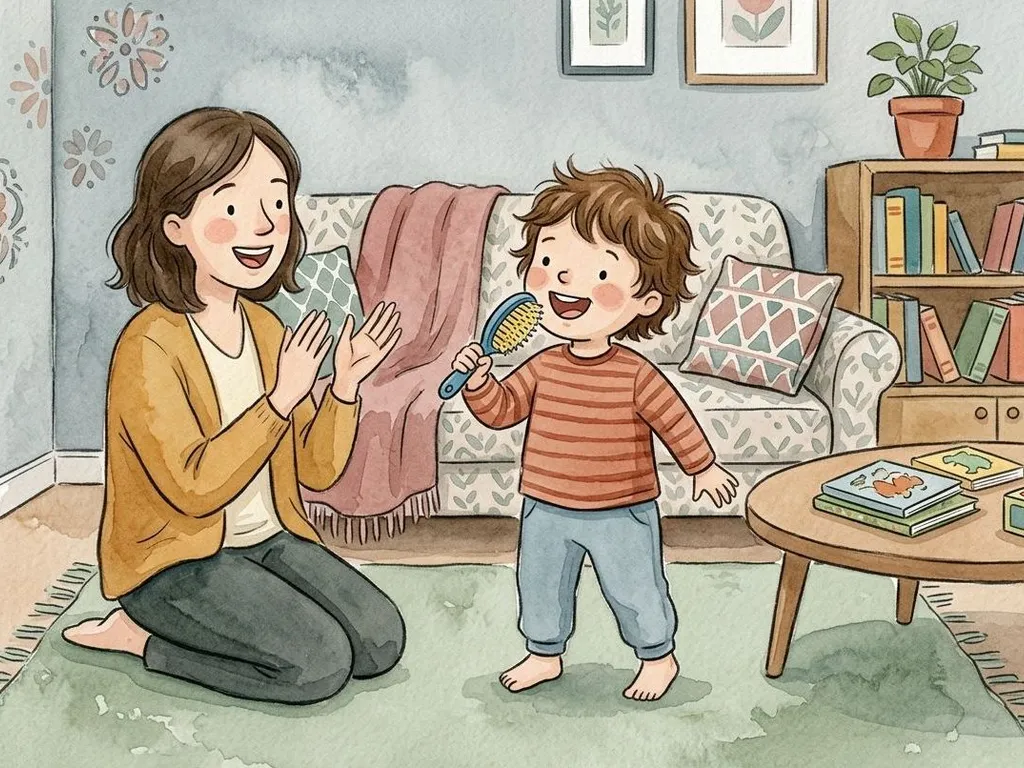
Yes, when the poem stays brief, concrete, and easy to hear. Beginners do not need every word at once. They can start with repeated sounds, animal names, colours, or action words. For a 5-year-old, one movement line may be enough. For an older beginner, a four-line poem can support reading and speaking together. Good poems for kids learning english let beginners join before they feel fluent.
Should My Child Memorise Poems in English?
Memorising can help, but it should not come first. Let your child hear the poem several times, act it out, draw it, and say favourite lines. If memory comes naturally, use it. If it causes stress, keep the poem as reading and speaking practice. The aim is steady language growth, not perfect performance.
How Often Should We Practise Poems at Home?
Two or three quick sessions a week suit most families. Read the same poem several times across a week instead of changing it daily. Repetition helps children notice rhythm, words, and sentence patterns. Keep sessions brief, especially for younger learners: a calm three-minute routine often works better than a long lesson.
What If My Child Says the Words with a Strong Accent?
An accent is not a problem by itself. Meaning matters more than sounding like a native speaker from one country. Model the word again, slow the line, and focus on sounds that may change meaning, such as “ship” and “sheep.” Poems help because rhyme and rhythm make sound practice feel natural.
Can Poems Help Older Children and Teens?
Yes. For older learners, poems can build vocabulary, tone, inference, and confident reading aloud. Teens may prefer concise modern poems, song-like texts, or poems with a strong image rather than childish rhymes. poems for kids learning english should match the learner’s age and English level, so the material feels respectful.
A short one-to-one lesson can show what level and pace fit your child — book a free English lesson.
Stay updated on our latest tips and resources by following us on Instagram LearnLink.