Telling Time for Kids: A Step-by-Step Guide
Telling Time for Kids connects clock numbers with the hours and minutes that shape a day. Children begin with events such as breakfast at 8:00, then progress through whole hours, half hours, quarter hours, five-minute steps, and exact minutes. They learn analogue and digital clocks. Older learners add 24-hour time, elapsed time, schedules, and time zones. Teach with a real clock, short practice, and examples from your child’s routine.
📥 Telling Time Phrase Cards
A printable mini set for practicing clock words, time phrases, and daily routine sentences.
Leave your email — we'll send the PDF to your inbox.No spam — the PDF plus one short reminder. Unsubscribe anytime.
Why This Life Skill Matters
Time helps children understand order, duration, and responsibility. A child who reads a clock knows how long remains before school, when a lesson begins, or whether ten minutes is enough to finish a game. Clock skills support planning and reduce adult reminders.
Telling Time for Kids links language and maths. Children count in fives, compare numbers, use fractions such as half and quarter, and follow phrases such as “before lunch” or “after 6 o’clock.” Multilingual children may know these ideas in another language; they need new labels, not reteaching.
What Children Can Learn at Different Ages
Readiness matters more than a fixed birthday. Some four-year-olds enjoy matching whole hours to daily events; another child may need practice with counting and number order first. Keep a clock visible and choose the next step from what your child can explain.
A flexible Telling Time for Kids sequence prevents two mistakes: starting minute calculations too soon or repeating secure whole-hour work. Treat the levels below as a guide, not a test.
How an Analogue Clock Works
Start Telling Time for Kids with a clock whose hands move. Name the short hour hand and long minute hand. Move only the hour hand first and ask, “Which hour is it pointing to?” Next, place the minute hand on 12 and explain that it marks an exact hour.
Show that the minute hand crosses the clock face in 60 minutes. Count the small marks, then the large numbers in fives: 5, 10, 15, and so on. Introduce 30 minutes as half past and 15 minutes as a quarter past. Later, compare 7:45 as “seven forty-five” and “a quarter to eight.” Both name the same time.
A Clear Teaching Sequence
Build one layer at a time: whole hours, half hours, quarter hours, five-minute intervals, then exact minutes. Ask your child to make a time before reading it. Moving the hands to 3:30 reveals their relationship.
Connect each time to a familiar event. “We leave at 8:15” carries more meaning than unrelated clock faces. A five-minute Telling Time for Kids routine can cover three tasks: make one time, read one time, and calculate one short interval.
The Three-clock Challenge
Set a clock to an activity’s start, finish, and one time between them. Ask your child to read each clock and calculate the minutes passed. Begin with 5:00 to 5:30, then try 5:20 to 6:05.
Games Based on Real-Life Routines
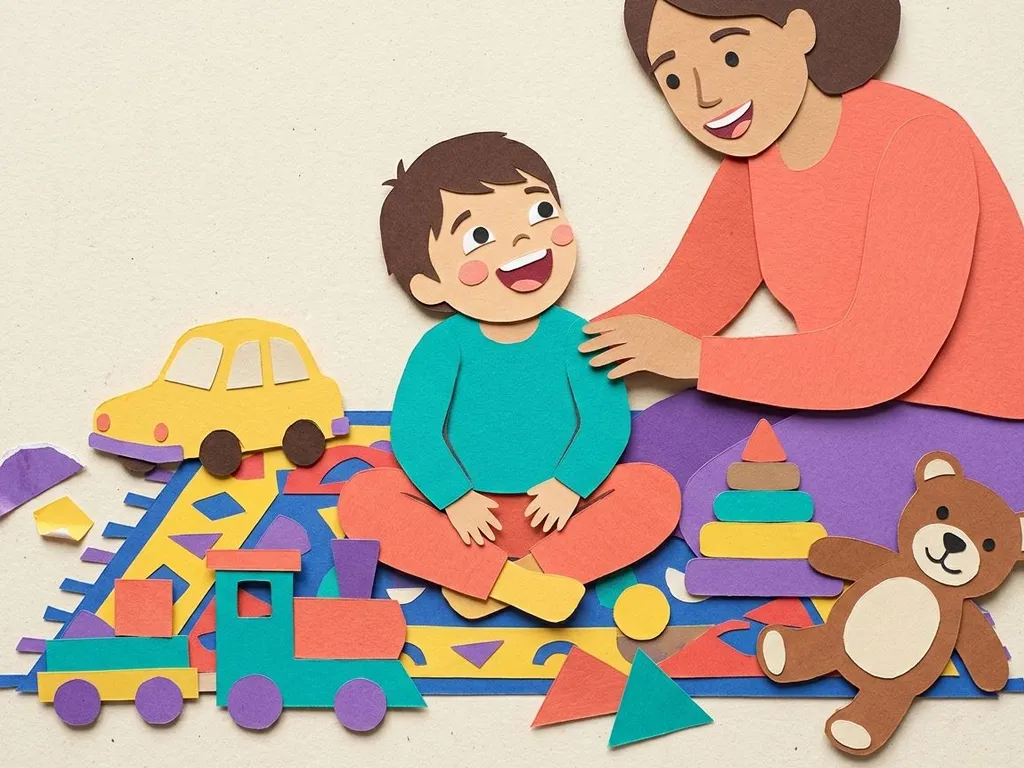
Try “Beat the Minute Hand.” Choose a short task, such as putting away pencils, and estimate whether it takes one, three, or five minutes. Measure it, compare the estimate with the result, and discuss the difference. Build a sense of duration instead of rewarding speed.
For advanced Telling Time for Kids practice, use real timetables. Compare lesson times, plan a two-stage journey, or calculate when a film ends. Older children can schedule an online call with a relative abroad and check the time-zone difference with an adult.
Play “What Happens Next?” with children aged 6–8. Write four familiar events—wake up, eat breakfast, leave home, start class—on cards, then add matching clock cards. Children pair each event with a plausible time and place the pairs in order. Ask them to explain choices using “before,” “after,” and “half past.” A common mistake is choosing the correct hour but ignoring whether the routine happens in the morning or evening.
For ages 8–10, create a 30-minute after-school schedule with three tasks, such as snack, reading, and feeding a pet. Give each task a duration card and require a five-minute gap between activities. Children calculate each start and finish time, then test the plan against a clock. If times overlap, they revise one duration rather than simply moving every task.
Useful English for Telling the Time
Children need clock skills and time vocabulary. Teach pairs in context: before and after, early and late, start and finish, past and to. Practise full exchanges such as “What time does school start?” and “It starts at half past eight.”
Telling Time for Kids should reflect the English your family hears. “Quarter after six” appears in some places, while others say “quarter past six.” Digital forms include 6:15, 18:15, a.m., and p.m. Present them as regional, practical choices, not as one correct form.
For children aged 6–8, introduce one sentence frame at a time: “It is ___ o’clock,” then “It is half past ___,” followed by quarter past and quarter to. Show 12:30 on a teaching clock, move the minute hand while saying the phrase, and ask the child to build the same time. Use five quick examples, mixing spoken prompts with clock faces, before reversing the task so the child asks the question.
A common mistake is saying “half to eight” for 7:30 or reading 7:50 as “seven fifty” when the exercise expects “ten to eight.” Correct gently by asking, “Which hour comes next?” Then contrast two acceptable answers and have the child circle the form used at home or school.
Common Difficulties and Simple Fixes
If a child confuses the hands, use contrasting colours and repeat one rule: the short hand shows the hour; the long hand shows the minutes. If counting by fives is hard, label the outer edge with 5, 10, 15, and 20 until the pattern feels familiar. Then remove the labels.
When “to” causes confusion, start with digital language. Read 7:50 as “seven fifty,” then explain that it is ten minutes before eight. Children who reverse numbers can say the time aloud before writing it. Correct one part at a time to avoid lengthy explanations.
When a word has several meanings or pronunciations, Cambridge Dictionary is a useful check before turning it into child-friendly examples.
Frequently Asked Questions
At What Age Should a Child Learn to Tell Time?
Children can match whole hours with daily events from about age four or five, though no single starting age fits everyone. Begin when your child recognises numbers and follows routines. Telling Time for Kids should progress from morning and bedtime to precise minute reading.
Should Children Learn Analogue or Digital Time First?
Teach both, using an analogue clock to show time moving. It demonstrates why 30 minutes equals half an hour and how minutes connect to hours. Digital clocks are easier to scan, so pair 4:30 with the same time on an analogue face.
Why Does My Child Mix up the Hour and Minute Hands?
The hands point to identical numbers but carry different meanings, which challenges beginners. Use a short coloured hour hand and a long contrasting minute hand. Practise whole hours until your child explains each hand’s job without prompting.
How Can We Practise Without Worksheets?
Use departure times, cooking timers, lesson schedules, and bedtime routines. Ask your child to set a clock, predict a finish time, or calculate an activity’s duration. Keep questions brief and purposeful. One or two real examples can teach more than a long drill.
When Should Children Learn 24-hour Time?
Introduce it after your child masters 12-hour time and basic minute reading. Start with travel boards, phones, or local schedules. Pair 14:00 with 2:00 p.m., then advance to 17:35. Explain that countries and services use both systems in different settings.
Start your child's English journey today — book a trial lesson with LearnLink.
Stay updated on our latest tips and resources by following us on Instagram LearnLink.