Counting in English for Kids
Counting in English for kids means linking number words to real amounts, not reciting “one, two, three” from memory. A child may chant to 20 and still miss that “six” means six blocks on the table. The steady family path is spoken aloud: count toys, steps, snacks, pages, coins, and game turns. Children aged 4-15 can practise counting, but the goal changes with age. Younger children need touch and rhythm. Older children need accuracy, place value, prices, dates, scores, and speech.
📥 Count, Say, and Write
A practical counting worksheet for building number confidence in English
Leave your email — we'll send the PDF to your inbox.No spam — the PDF plus one short reminder. Unsubscribe anytime.
What Families Need to Know
Counting starts in the ear before school work. Children first hear a stable order: one, two, three, four, five. Then they learn that the last number tells the total. This idea is called “how many,” and it matters more than speed.
One red apple.
Two blue socks.
Three small bears.
Four pencils.
Five quick jumps.
Six toy cars.
Seven days.
Eight building blocks.
Nine round buttons.
Ten fingers.
For bilingual or multilingual children, English number words may sit beside another home language. That is fine. A child can understand quantity in one language and learn the English label later. Keep the meaning visible: hold up three fingers, say “three,” then let your child touch and count each finger.
Counting in English for kids works when it is tied to family life. A five-minute daily routine beats one long weekly lesson. Across LearnLink lessons, our tutors use objects, pictures, movement, and short spoken tasks so number words become practical language, not a memorised list.
Start with Meaning Before Speed
Children often recite numbers because the sound pattern feels familiar. That helps, but reciting is only one part of counting. Ask your child to count real things and stop at the total. “How many apples?” links the word to an amount better than “Count to ten.”
Use a slow finger point for each item. If your child says numbers faster than the pointing, pause and restart. The aim is one number for one object. This habit prevents later confusion with addition, subtraction, and word problems.
How to Use Counting at Home
Choose moments that already happen. Count stairs, grapes on a plate, clean socks in pairs, and bedtime pages. English can stay simple: “One sock, two socks,” “three more,” “all gone,” “how many now?”
For children new to online learning, keep screen tasks short and active. Ask them to bring four pencils, show two fingers, or find five round things in the room. Counting in English for kids should include the body, the room, and the child’s choices, not only a worksheet.
Older children need number language in real contexts: ages, dates, prices, sports scores, recipes, distances, and times. A 12-year-old may not need “one, two, three,” but may need “twenty-first,” “one hundred and five,” “half past seven,” or “three point five” with confidence.
Examples by Age
For school-age kids, begin with numbers 1-10 and small sets. Use toys, blocks, fruit, fingers, and movement. Say short phrases: “three bears,” “five jumps,” “two blue cars.” Repeats matter, but they should feel like play.
For school-age kids, build to 20 before moving towards 100. At this stage, children often mix up thirteen and thirty, fourteen and forty, fifteen and fifty. Say each pair slowly, clap the stress, and place each number in a sentence: “I have thirteen stickers. My dad is thirty.”
For school-age kids, counting in English for kids becomes wider communication. Work with ordinal numbers, larger numbers, decimals, fractions, and classroom tasks. Your child can explain a game score, read a bus number, compare prices, or describe a chart. Counting now supports thinking.
Practical Activities
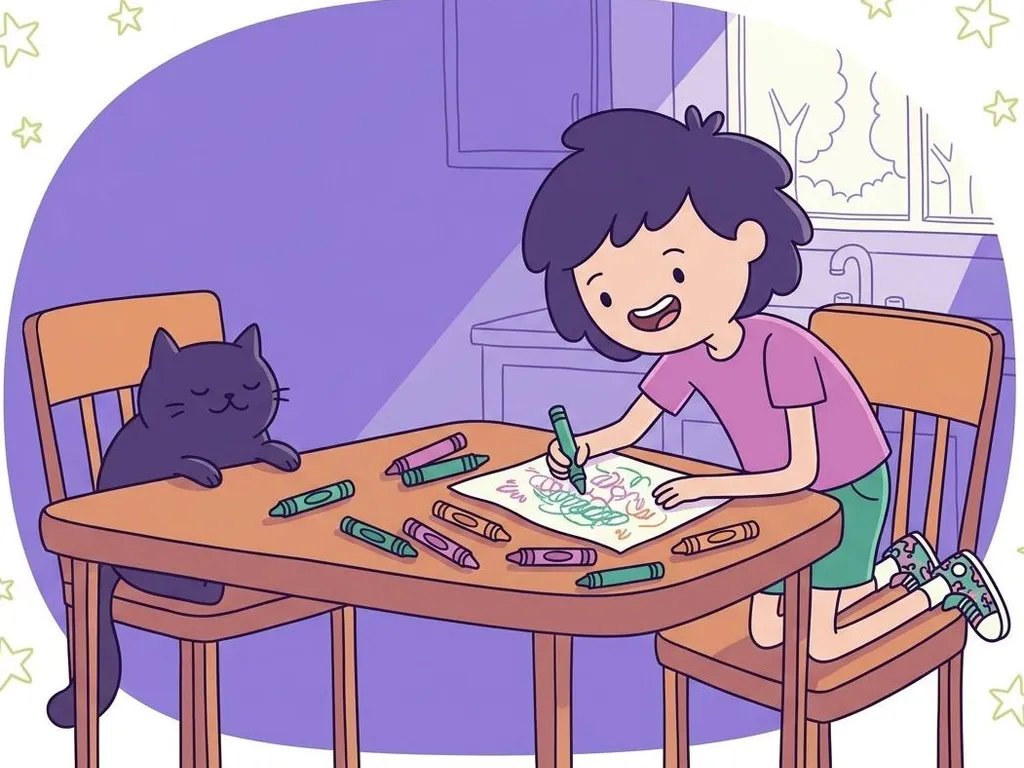
Use short games with a set finish: ten jumps, five turns, three questions, one last round. A limit keeps practice calm and helps children who lose focus during open-ended tasks.
Mix listening, speaking, and moving. One day your child hears and points. Another day your child says the numbers. On another day, your child gives the instruction: “Give me six blocks.” Role change shows whether the number word is understood.
Five-minute Counting Walk
Walk around one room together. Ask your child to find and count five things: chairs, books, shoes, cups, and doors. After each set, ask, “How many?” Then switch roles and let your child choose what you count next.
For a quiet table activity, place ten small objects in a row. Cover some with your hand and ask, “How many can you see?” Then uncover and count all objects. This builds attention, memory, and number language together.
Common Mistakes to Listen For
The earliest mistake is skipping a number: one, two, four, five. Avoid a long correction. Say the line again with your child and slow down at the missing word. Rhythm helps, but meaning must stay present.
Another mistake is confusing teen numbers and tens. In English, thirteen and thirty look and sound close, especially for children whose home language marks these numbers differently. Put them in pairs, exaggerate the stress, and use real examples. “Thirteen” has stress at the end. “Thirty” has stress at the start.
Children may add “and” where English speakers may not expect it, or avoid large numbers when unsure. Model the number naturally, then let your child repeat it in a full phrase: “one hundred and two pages,” “two thousand people,” “page thirty-four.”
When to Move Beyond Counting
Move on when your child can count objects accurately, answer “how many,” and use numbers in short phrases. Next steps include simple addition, number stories, dates, time, money, and measuring. Counting in English for kids should grow into practical speech.
Do not wait for perfect pronunciation before adding new uses. A child can learn “three cups of water” while polishing the “th” sound in “three.” Keep correction light and specific: repeat the word, praise the meaning, and give one more chance in context.
If an older child calls counting “baby work,” change the frame. Use cooking, shopping, coding, sports, music, or travel. The skill is not childish when the task is real. A teenager reading “1,250,” “0.75,” or “the 21st of May” is using counting as academic language.
When a word has several meanings or pronunciations, Cambridge Dictionary is a useful check before turning it into child-friendly examples.
Frequently Asked Questions
What Number Should My Child Learn First in English?
Start with 1-10 because those numbers appear often in songs, games, books, and daily routines. Do not rush to 100 if your child cannot yet count real objects to ten. A strong base means your child can point, count, stop, and answer “how many” without guessing.
Is It Okay to Count in Two Languages at Home?
Yes. Multilingual children can build number sense across languages. Keep each short activity focused: count once in the home language if needed, then count the same objects in English. Avoid rapid switching if your child looks confused. The goal is to connect one amount with both number words.
How Can We Practise If My Child Gets Bored?
Make the task shorter and more active. Count jumps, toy animals, spoonfuls, goals, cards, or steps to the door. Let your child choose what to count. Counting in English for kids is easier to repeat when the child has control and the task ends before it becomes tiring.
When Should My Child Learn Ordinal Numbers Like First and Second?
Introduce ordinal numbers after your child is comfortable with basic counting to 10 or 20. Use them in real order: first place, second turn, third page, fourth step. Older children need ordinal numbers for dates, rankings, instructions, and school tasks, so keep practising them beyond the early years.
A short one-to-one lesson can show what level and pace fit your child — book a free English lesson.
Stay updated on our latest tips and resources by following us on Instagram LearnLink.