Body and Face Word Search in English for Kids
Body and face word search in English for kids teaches the words children need for visible body parts, face features, senses, and actions: touch, see, hear, smile. Children can point, move, draw, and act these words before they explain long ideas. For a 5-year-old, “nose,” “hand,” and “eye” may fill one lesson. For an older child, the topic grows into “eyebrow,” “ankle,” “elbow,” “I have a headache,” or “My knee hurts.” The aim is not one long list; it is a link between each word and the child’s body, routines, games, and safe everyday speech.
📥 Body and Face Word Search and Practice
A printable activity set for learning body parts, face words, senses, and everyday actions.
Leave your email — we'll send the PDF to your inbox.No spam — the PDF plus one short reminder. Unsubscribe anytime.
Core Body and Face Words to Teach First
Start with words a child can see or touch: head, hair, face, eye, ears, nose, mouth, teeth, tongue, neck, shoulders, arms, hands, fingers, legs, knees, feet, and toes. These words fit daily care, clothes, sport, drawing, songs, and health talk.
For Body and face word search in English for kids, keep the first set small. Eight to twelve words is enough for school-age kids. Children can handle 15-20 words when lessons include movement, pointing, and short sentences. Older learners can add wrist, elbow, ankle, cheek, chin, forehead, eyebrow, eyelash, lips, and skin.
Face Words and Senses
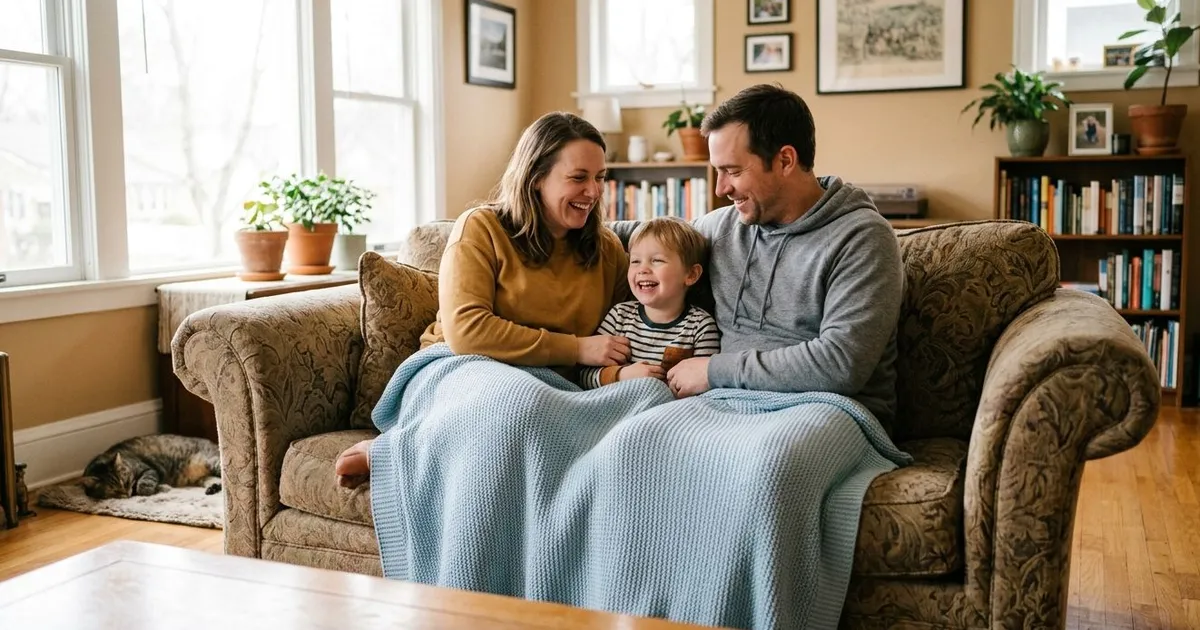
Face words carry visible meaning: a child can smile, frown, blink, wink, whisper, taste, smell, and listen. Pair each noun with an action: eyes see, ears hear, a nose smells, a mouth speaks, teeth bite, and a tongue tastes.
Be careful with “hair.” In English, hair on the head is usually a singular mass noun: “Her hair is brown,” not “her hairs are brown” for all of it. “A hair” means one strand. This point helps older children write natural sentences.
Across LearnLink lessons, our tutors build face vocabulary through drawing, movement, and short questions rather than translation alone. A child may know the idea in two languages, yet need practice choosing the English word quickly.
Examples in Context
Words stick when they sit inside short phrases: “brown eye color,” “curly hair,” “clean hands,” “cold feet,” “a big smile,” “a small nose,” and “long fingers.” These phrases prepare children to describe people politely and understand story characters.
For Body and face word search in English for kids, use sentences children can act out: “Show me your hands,” “Close your eyes,” “Open your mouth,” “Wash your face,” “Bend your knees,” and “Touch your toes.” Older children can add health language: “My throat hurts,” “I have a headache,” or “She has a cut on her finger.”
When describing people, teach neutral language. “He has short hair” is safer than judging hair as right or wrong. “She has blue eye color” is a fact. For mixed-language homes, neutral English separates description from teasing or private family labels.
Activities by Age
School-age kids learn through movement. Across LearnLink lessons, our tutors help children build confident, everyday English step by step.ask the child to point and repeat. Keep each turn quick: “Eye,” “Point to it,” “Close your eyes,” then move to a new word.
School-age kids can sort words into groups: face, arms and hands, legs and feet, senses, actions. They can complete word searches where hidden words match a picture. This makes Body and face word search in English for kids more than a puzzle; it checks spelling, meaning, and recall.
School-age kids need precise use as they grow. Ask them to describe a sports warm-up, cartoon character, first-aid scene, or robot body. They can compare “hand” and “arm,” “foot” and “leg,” “tooth” and “teeth,” then use each word in a full sentence.
Practice Activity: Point, Say, Use
Choose six words: sight, ears, nose, mouth, hands, feet. First, your child points and says each word. Next, give a command: “Touch your ears.” Last, ask for a sentence: “I have two ears.” For older children, add an adjective: “I have cold hands” or “My eye color is brown.”
Practice Ideas for Home and Online Lessons
Use daily routines. During handwashing, say “Wash your hands” and “Dry your fingers.” While brushing teeth, say “Open your mouth” and “Brush your teeth.” When putting on shoes, say “One foot, two feet.” These moments place the same word in a real setting.
Picture work helps. Draw a face and label eyes, nose, mouth, ears, hair, and teeth. Then cover labels and ask the child to remember them. For a stronger learner, ask, “What is missing?” after you draw a face without eyebrows or ears.
A word search works after the child has met the words aloud. If the puzzle comes first, children may only hunt letters. If speaking comes first, Body and face word search in English for kids becomes a recall task: the child sees the word, says it, and links it to meaning.
Common Mistakes to Correct Gently
Children often mix singular and plural forms: foot and feet, tooth and teeth. Teach pairs from the start: “one foot, two feet,” “one tooth, two teeth.” Do not over-explain grammar to a young child; a clear pair repeated often is enough.
Another mix-up is confusing “arm” with “hand,” or “leg” with “foot.” Use touch and borders: the hand starts at the wrist, the arm runs from shoulder to wrist; the foot goes in the shoe, the leg goes above it. Body maps beat long definitions.
Pronunciation can be tricky. “Mouth” ends with a soft “th” sound, not “mouse.” “Teeth” and “toes” both begin with “t,” but the vowel changes. Ask the child to say the word in a phrase, not alone: “my mouth,” “two teeth,” “ten toes.”
- Try one Body and face word search in English for kids after storytime.
- Practice three tricky words aloud, then point to each matching body part.
- Use a picture book for ages five to seven before correcting spelling.
- Ask your child to circle one missed letter, not erase everything.
- Praise the correct body word first, then model the gentle fix.
When a word has several meanings or pronunciations, Cambridge Dictionary is a useful check before turning it into child-friendly examples.
Frequently Asked Questions
How Many Body and Face Words Should a Young Child Learn First?
For school-age kids, start with 8-12 words: head, face, eyes, ears, nose, mouth, hands, feet, fingers, toes, hair, and teeth. Add more only when the child can point to the part and use the word in a short phrase. A small set learned well beats a long list remembered for one day.
Is a Word Search Enough to Teach Body and Face Vocabulary?
No. A word search is a review task, but children need sound, movement, and meaning first. Say the word, point to the body part, use it in a sentence, then let the child find the word in the puzzle. Used this way, Body and face word search in English for kids supports spelling and memory instead of becoming only letter hunting.
What Should I Do If My Child Knows the Words but Cannot Speak Them?
Move from recognition to short answers. First ask, “Where is your nose?” Then ask, “What is this?” while pointing. Next offer a frame: “This is my nose.” Children may need repeated safe practice before they answer without help, especially if they already use several languages at home.
Should Older Children Still Practise Simple Body Words?
Yes, but the task should feel older. Instead of drilling “hand” and “foot,” ask them to describe a sport, a health problem, a character, or a science diagram. They can learn precise words such as wrist, ankle, eyebrow, throat, and shoulder, then use them in full spoken or written sentences.
- Start with 8-12 visible words and practise them through pointing, drawing, and movement.
- Try one short sentence for each word before giving a puzzle or worksheet.
- Practice plural pairs such as foot/feet and tooth/teeth in real routines.
Start your child's English journey today — book a trial lesson with LearnLink.
Stay updated on our latest tips and resources by following us on Instagram LearnLink.