Classroom Language for Kids Words and Activities
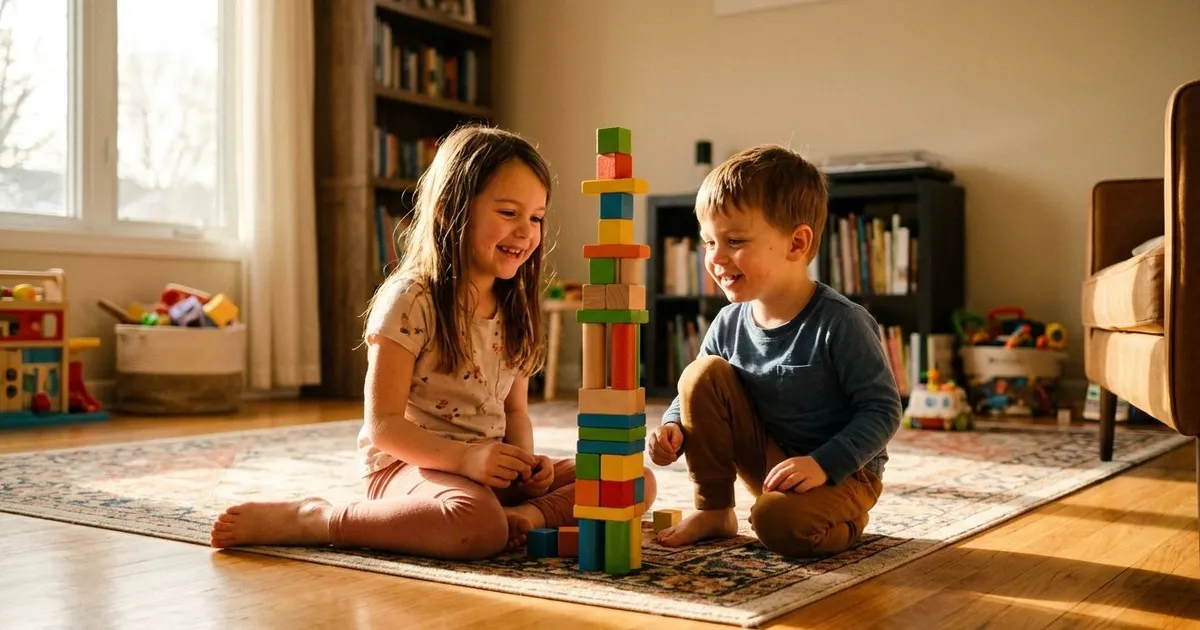
Classroom Language for Kids: Words and Activities means the short lesson phrases children need: listen, ask, answer, try again, work with a partner, and ask for help. These words matter because they make English class predictable before grammar feels easy. A child who can say “Can you say that again?” or “I’m ready” has more control, less guessing, and more chances to speak. Across LearnLink lessons, tutors teach classroom language as real speech, not a list to recite. The aim is simple: children learn what to say, when to say it, and how to use it with confidence.
📥 Classroom Language for Kids Words and Activities
Useful classroom phrases, practice tasks, and a weekly speaking tracker for children
Leave your email — we'll send the PDF to your inbox.No spam — the PDF plus one short reminder. Unsubscribe anytime.
Core Words and Phrases Children Need First
Start with phrases that help a child join each lesson. These are school words children hear again and again: “listen,” “look,” “say,” “read,” “write,” “choose,” “circle,” “match,” “answer,” and “say again.” For younger children, one action plus one gesture is enough.
Classroom phrases include “I don’t know,” “I need help,” “Can you help me?”, “Can you say that again?”, “May I go next?”, “I’m finished,” and “I’m ready.” Classroom Language for Kids: Words and Activities should include these repair phrases because they keep children in the lesson when they feel unsure.
For older children, add phrases that manage learning: “I agree,” “I disagree,” “My answer is different,” “Can I change my answer?”, “I need one more minute,” and “Could you give an example?” These phrases support polite, thoughtful speech in group tasks and one-to-one lessons.
Useful Phrases by Classroom Situation
Children remember classroom language when it is tied to a moment. “Open your book” belongs at the start of a task. “Check your answer” belongs after practice. “Take turns” belongs in a pair game. The phrase becomes usable, not just known.
The table below gives parent-friendly sets for home practice. Keep the voice calm and natural. A child does not need to practise every phrase perfectly before using it.
Examples in Context
A phrase becomes classroom language when a child uses it to do something. Instead of asking a 6-year-old to memorise “May I have a pencil?”, place a pencil slightly out of reach and model: “Can I have a pencil, please?” Then let the child ask for it.
For a 9-year-old, use short exchanges. Adult: “Read number three.” Child: “Can you say that again?” Adult: “Read number three.” Child: “Okay. Number three.” Asking to hear an instruction again is not failure. It is part of learning.
Teen learners can practise longer classroom turns: “I partly agree because the first answer is correct, but the second answer needs more detail.” Classroom Language for Kids: Words and Activities should grow with age, from single commands to learning talk.
Activities by Age
For school-age kids, use movement. Across LearnLink lessons, our tutors help children build confident, everyday English step by step. Keep rounds short. Young children learn classroom language through action before explanation.
For school-age kids, use role play. One person is the tutor, one person is the learner. Put five classroom phrases on cards: “I need help,” “I’m ready,” “Can you repeat that?”, “It’s my turn,” and “I’m finished.” The child uses one card during each mini-task.
For school-age kids, use discussion roles. Give one child the role of checker, one the role of speaker, and one the role of questioner. Phrases are “Can you explain your answer?”, “I have a different idea,” and “Let’s check the instructions.” Classroom English sounds mature, not babyish.
Practice Box: Three-minute Classroom Language Game
Choose six phrases from this article. Write each one on a card. Put the cards face down. Your child turns one card over and must use the phrase in a tiny lesson scene: asking for help, taking a turn, checking an answer, or finishing a task.
Practice Ideas for Home
Home practice should feel like a small school routine, not a test. Before homework, use three fixed lines: “Are you ready?”, “What do you need?”, and “Let’s check.” After several days, invite your child to answer in English: “I’m ready,” “I need a pencil,” or “I need help.”
During online lessons, parents can listen for one target phrase, not every mistake. If the target is “Can you say that again?”, praise the child for using it at the right time. The phrase may sound rough at first, but the learning move is correct.
Classroom Language for Kids: Words and Activities works when phrases are recycled across subjects. Use “circle the answer” with English words, “check your answer” with math, and “take turns” in a board game. The same language works in several settings.
Common Mistakes to Avoid
The first mistake is teaching too many phrases at once. A long list can freeze a child. Five phrases used often beat thirty phrases read once. Add new language only when the first set is active.
The second mistake is correcting every word. If a child says “Again, please?” instead of “Can you say that again, please?”, the message is understood. Model the full phrase naturally and move on: “Yes, can you say that again, please? Of course.”
The third mistake is making classroom language too formal. Children need polite speech, but they also need short, real phrases under pressure. “I don’t understand” is stronger than a long sentence the child cannot remember during a live lesson.
How LearnLink Tutors Build Classroom Language
In one-to-one lessons, classroom phrases can match the child’s age, level, and confidence. A new online learner may first need “I can hear you,” “I can’t see it,” and “Can you show me?” A child with more English may explain choices and ask follow-up questions.
Our tutors use classroom language inside real tasks: games, reading, drawing, sentence building, speaking turns, and short projects. Children learn the phrase and the purpose together. Classroom Language for Kids: Words and Activities is strongest inside the lesson flow.
For multilingual children, this approach helps. A child may know school routines in another language but need the English words for the same actions. We build from what the child already understands, then give the English phrase they can use right away.
- Practice five classroom phrases with your child before homework time today.
- Use picture cards to match three instructions with simple actions.
- Read one school-themed book and say useful classroom words aloud.
- Try a two-minute role-play with “teacher” and “student” turns.
- Review new phrases during breakfast using quick call-and-response practice.
When a word has several meanings or pronunciations, Cambridge Dictionary is a useful check before turning it into child-friendly examples.
Frequently Asked Questions
What Classroom Language Should My Child Learn First?
Begin with phrases that help your child join and manage a lesson: “I’m ready,” “I need help,” “Can you repeat that?”, “I don’t know,” “It’s my turn,” and “I’m finished.” These phrases reduce silence and guessing. Classroom Language for Kids: Words and Activities should start with real lesson needs before longer school vocabulary.
How Can I Practise Classroom Phrases Without Making It Boring?
Use short role plays. Pretend to start a lesson, lose a pencil, misunderstand an instruction, or finish a task. Your child chooses the right phrase for the moment. Keep practice under five minutes and revisit it often. Children learn these phrases faster when they need them to complete a small action.
Should I Correct Grammar Mistakes in Classroom Language?
Correct gently and selectively. If the meaning is understood, model the stronger version instead of stopping the conversation. A child who says “I finish” can hear you answer, “Great, you’re finished. Let’s check.” This keeps confidence high while giving the correct English form.
Can Classroom Language Help a Shy Child Speak More?
Yes, because it gives the child safe, ready-made lines. Shy learners often need language for asking, pausing, and taking a turn before free speech. Phrases such as “I need one more minute” and “Can I try?” give them a way into the lesson without pressure to produce a long answer.
A short one-to-one lesson can show what level and pace fit your child — book a free English lesson.
Stay updated on our latest tips and resources by following us on Instagram LearnLink.