Contractions for Kids: A Practical Guide

A contraction replaces letters with an apostrophe: “she is” becomes “she’s,” and “do not” becomes “don’t.” Learning contractions for kids connects spoken and written English. Children identify the full form, missing letters, short-form spelling, and suitable context. This guide covers spelling, pronunciation, errors, age-based teaching, and exercises for English learners.
📥 Contractions Practice Cards for Kids
A printable mini-pack to read, build, and use common English contractions.
Leave your email — we'll send the PDF to your inbox.No spam — the PDF plus one short reminder. Unsubscribe anytime.
What Children Need to Understand First
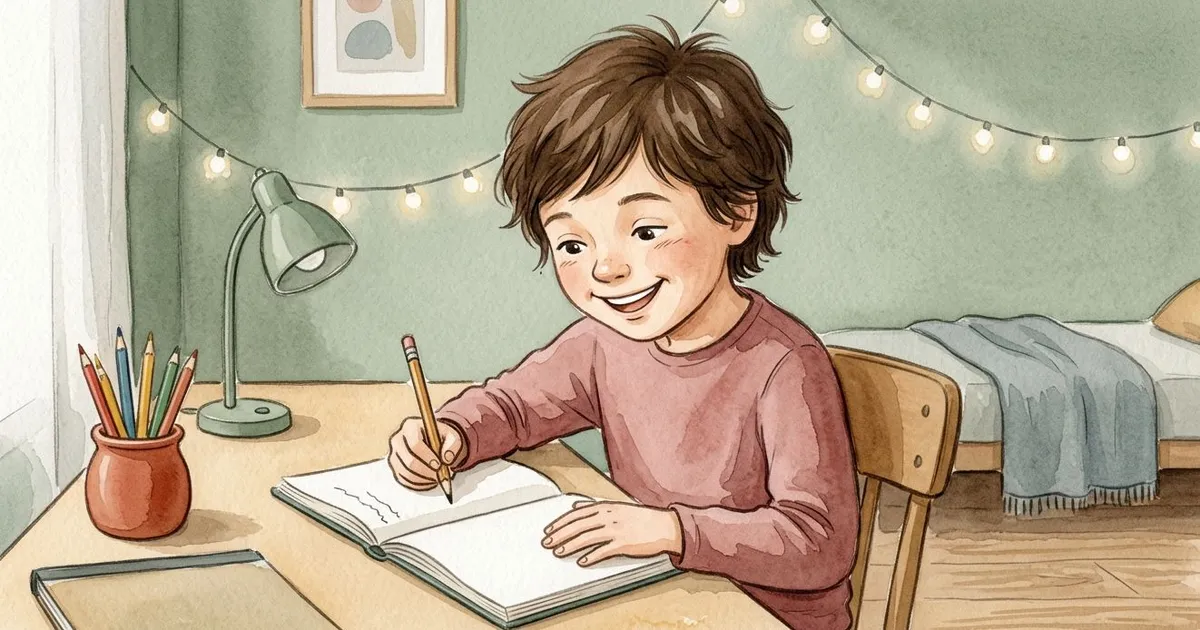
Short and full forms carry the same basic meaning. “We are ready” and “We’re ready” describe one situation, but the second sounds conversational. When introducing contractions for kids, say both sentences and ask whether the message changes. Teach meaning before spelling.
The apostrophe marks removed letters. In “I’m,” it replaces the “a” from “am.” In “don’t,” it replaces the “o” from “not.” It neither decorates words nor marks every informal shortening. Side-by-side forms show the change clearly: “they are → they’re.”
A contraction is a choice, not inferior English. Contractions suit conversation, dialogue, stories, notes, and friendly messages. Full forms add emphasis: “I will finish” sounds firmer than “I’ll finish.” Effective teaching of contractions for kids combines meaning, form, and purpose.
How Full Forms Become Short Forms
Contractions often join a pronoun or noun to a helping verb: “I’m,” “you’re,” “Leo’s,” “we’ve,” and “she’ll.” Negative forms join a verb to “not”: “isn’t,” “didn’t,” and “couldn’t.” “Cannot” becomes “can’t.”
Teach one pattern at a time: forms of “be,” negative forms, then “have,” “will,” “would,” and “had.” This sequence helps children sort contractions for kids. Always place the full form beside its contraction so learners need not guess from spelling.
Irregular forms require direct teaching. “Will not” becomes “won’t,” not “willn’t.” The endings “’s” and “’d” each have two meanings. “She’s cold” means “she is cold”; “she’s finished” means “she has finished.” “I’d help” means “I would help”; “I’d finished” means “I had finished.” Following words reveal the correct expansion. Context is central to teaching contractions for kids accurately.
Reading and Saying Contractions Clearly
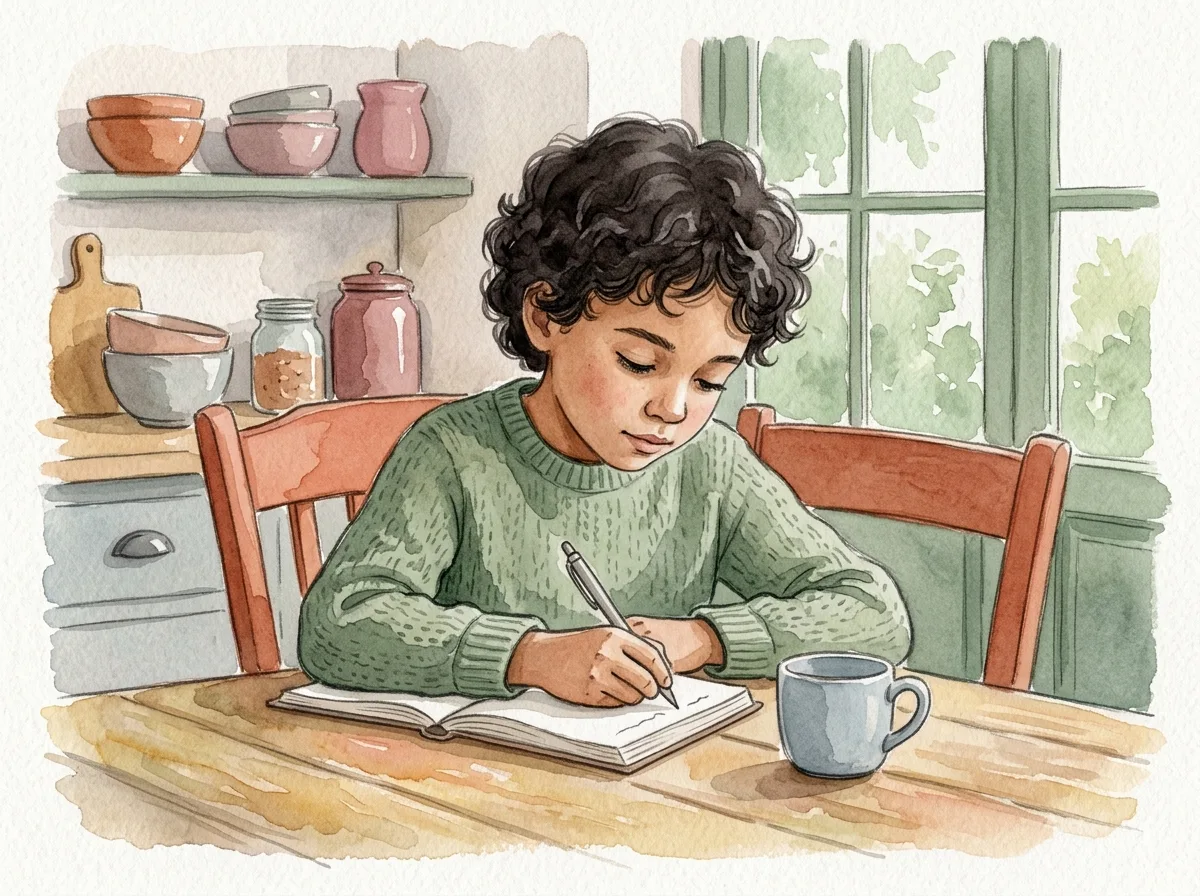
Children often meet short forms first in speech, so written practice is insufficient. Teach contractions for kids in three steps: say the full words slowly, tap for each word, then blend them. Try “she—is,” two taps, followed by “she’s,” one tap. Finish with: “She’s making lunch.”
Do not pronounce hidden letters; their sounds are gone. But keep the remaining ending clear. In “they’ve,” pronounce the final /v/. In “he’ll,” retain the final /l/. In fast speech, “don’t” may have a light /t/, but it should not become “do.”
British and American English share core written forms, though vowels and rhythm differ. “Can’t,” for example, has different vowels across accents. Both are valid; aim for clear, consistent speech instead of imitating one accent. Cambridge Dictionary provides British and American audio. The comparison makes pronunciation practice for contractions for kids relevant to multilingual families.
Common Mistakes and Quick Checks
Sound-alike words create errors. “You’re” means “you are”; “your” shows ownership. “They’re” means “they are”; “their” shows ownership; “there” identifies a place or introduces a statement. Check by expansion: “you are coat” makes no sense, so write “your coat.” Expansion makes contractions for kids easier than memorising isolated spellings.
“It’s” means “it is” or “it has”: “It’s raining” and “It’s been a busy day.” “Its” shows possession: “The bird opened its wings.” Nouns can take possessive apostrophes, as in “the bird’s nest,” but possessive pronouns cannot. Write “his,” “hers,” “ours,” “yours,” “theirs,” and “its” without apostrophes.
Check grammar after negative contractions. Write “He doesn’t like peas,” not “He doesn’t likes peas,” because “does” carries the tense ending. Write “She didn’t go,” not “She didn’t went.” Speech spellings such as “gonna” and “wanna” are not standard contractions for school writing; use “going to” and “want to.”
Teaching and Practice by Age Group
For school-age kids, keep contractions for kids oral, visual, and brief. Say “I am” while holding two word cards, slide them together, then replace the missing letter with an apostrophe card. Practise familiar lines such as “I’m hungry” or “It’s blue,” without lengthy grammar terms.
For school-age kids, add sorting, reading, and rewriting. Focus on “am,” “is,” and “are” one day, then negative forms. Ask the child to shorten a sentence and expand it again. Working both ways reveals whether the learner understands the words or only remembers their shape.
For school-age kids, teach double meanings, tone, and editing. Learners can identify whether “she’s” means “she is” or “she has,” turn story dialogue into natural speech, and restore full forms in formal reports. Multilingual learners may need extra listening because languages shorten words differently. During online lessons, our tutors can display each written pair while modelling its rhythm.
Practice Exercises
Practice with contractions for kids should move from full words to short forms and back. Have the child read each completed sentence aloud. Hide answers until the learner explains which letters disappeared or which full words fit.
Give younger learners one block at a time. Older children can finish all three and justify each answer. Errors guide review: a missing apostrophe signals a spelling gap; a wrong expansion signals a meaning gap.
Exercise 1: Make the Contraction
Rewrite each sentence with a contraction.
1. I am ready.
2. She is at home.
3. They are playing outside.
4. We will wait here.
5. He cannot swim yet.
6. Do not touch the paint.
Answers: 1. I’m ready. 2. She’s at home. 3. They’re playing outside. 4. We’ll wait here. 5. He can’t swim yet. 6. Don’t touch the paint.
Exercise 2: Expand the Short Form
Write each sentence without a contraction.
1. You’re early.
2. It isn’t clean.
3. We’ve finished our game.
4. I’d like some water.
5. She’s finished her picture.
6. They won’t come today.
Answers: 1. You are early. 2. It is not clean. 3. We have finished our game. 4. I would like some water. 5. She has finished her picture. 6. They will not come today.
Exercise 3: Choose the Correct Word
Choose the word that completes each sentence.
1. (Your / You’re) turn comes next.
2. The dog moved (its / it’s) tail.
3. (They’re / Their / There) waiting by the door.
4. Put the books over (they’re / their / there).
5. (Who’s / Whose) coat is this?
6. She (doesn’t / doesnt) eat cheese.
Answers: 1. You’re. 2. its. 3. They’re. 4. there. 5. Whose. 6. doesn’t.
Frequently Asked Questions

At What Age Should a Child Learn Contractions?
Children can hear and say forms such as “I’m,” “it’s,” “don’t,” and “can’t” from around school age. Accurate spelling develops as reading strengthens. For contractions for kids, readiness matters more than age. Start when your child understands both full words, then introduce the apostrophe and written form through short practice.
Should My Child Use Contractions in School Writing?
Follow the purpose and teacher’s instructions. Contractions fit dialogue, stories, personal responses, and friendly messages. Full forms suit formal reports or emphasis. “I don’t agree” sounds conversational; “I do not agree” sounds firmer. Children should use both and choose deliberately instead of treating either form as wrong.
Why Does My Child Understand Contractions in Speech but Miss Them in Books?
Speech presents a contraction as one familiar sound. In print, the child must connect that sound to an apostrophe and identify missing letters. Place full and short forms together, read both aloud, then use each in the same sentence. A daily two-minute matching task strengthens the sound-to-print connection.
How Can I Help a Multilingual Child Learn English Contractions?
Begin with meaning and sound. Show one pair, such as “we are” and “we’re,” in a clear situation. Let your child say, match, read, and write it before introducing another pattern. Other languages are an asset but may shorten words differently. Extra listening and repeated context keep the English pattern distinct.
Start your child's English journey today — book a trial lesson with LearnLink.
Stay updated on our latest tips and resources by following us on Instagram LearnLink.