Ways to Improve Public Speaking for Kids
The easy and effective ways to improve public speaking for kids are brief, low-pressure routines: retelling a story, explaining a choice, recording a one-minute talk, and addressing a small family audience. Children need no formal speech course to begin. Give them a specific task, preparation time, and feedback with one next step. For ages 4-15, the goal progresses from expressing a complete thought to shaping an argument for listeners. This guide builds those skills without turning home into a test room or treating a quiet, multilingual child as less capable.
📥 Public Speaking Practice Pack
Plan, practise, and deliver a clear mini-talk with confidence.
Leave your email — we'll send the PDF to your inbox.No spam — the PDF plus one short reminder. Unsubscribe anytime.
What Speaking Confidence Looks Like
Public speaking means sharing a planned message with listeners: a classroom presentation, dinner-table story, science explanation, or question during an online lesson. Confidence does not require loud speech or enjoying attention. A confident speaker can organise an idea, explain it, and continue after a mistake.
Separate speaking skill from personality. A thoughtful child may pause before answering; a multilingual child may need time to find a word in the language used. Neither response shows weak understanding. Judge whether preparation improves the message, not whether the child answers fastest.
The easy and effective ways to improve public speaking for kids protect emotional safety. Begin with familiar listeners, permit notes, and increase one challenge at a time. Changing the topic, audience, time limit, and language together hides which skill needs practice.
Build a Calm Home Routine
At home, easy and effective ways to improve public speaking for kids work best in brief, predictable sessions. Practise for ten minutes two or three times a week. Set a topic, provide preparation time, listen without interrupting, then discuss one strength and one next step.
Use a speaking frame: opening, two relevant details, and closing. A 7-year-old might say, “I chose the red bicycle. It is visible, and the basket can hold my bag. That is why it suits me.” Older children can add evidence, a counterpoint, or a request to the listener.
Rehearse in stages: tell the idea to one adult, record it, then present it to two or three relatives. English learners may plan the meaning in their strongest language before choosing English words. Correct only the skill targeted by the current task.
Choose Tasks That Fit the Child’s Age
Age affects attention, memory, and manageable structure. One topic can suit the whole family when the speaking goal changes. “A place I would like to visit” can become a picture description for a young child or an evidence-based proposal for a teenager.
These age bands are guides, not tests. Start where your child can succeed with effort. Then change one feature: request another detail, remove one picture prompt, add thirty seconds, or invite another listener. Small increases make progress noticeable.
Use Practical Activities with a Real Purpose
Easy and effective ways to improve public speaking for kids can begin in family life. Ask your child to teach a game, recommend a film, explain a recipe step, introduce a family tradition, or compare two weekend plans. A real purpose helps the speaker consider the listener’s needs.
Story retelling develops sequence and emphasis. An object pitch teaches children to select details that matter. A “two sides” talk helps older children consider another view before stating their own. During LearnLink lessons, our tutors can model questions, transitions, and listener-friendly explanations while the child practises English.
The Three-picture Talk
Choose three family photos or images. The child orders them and prepares one opening sentence, two details for each picture, and one closing sentence. After the first talk, ask one listener question. Repeat the talk once, adding the answer where it fits. Older children can use the images as evidence for an opinion instead of a story sequence.
Recording can help, but keep it optional. Children may learn by hearing their pace or repeated filler words, while others tense when a camera appears. An audio recording, a talk delivered to toys, or a live rehearsal behind a screen offers a gentler first step.
Give Feedback That Leads to Progress
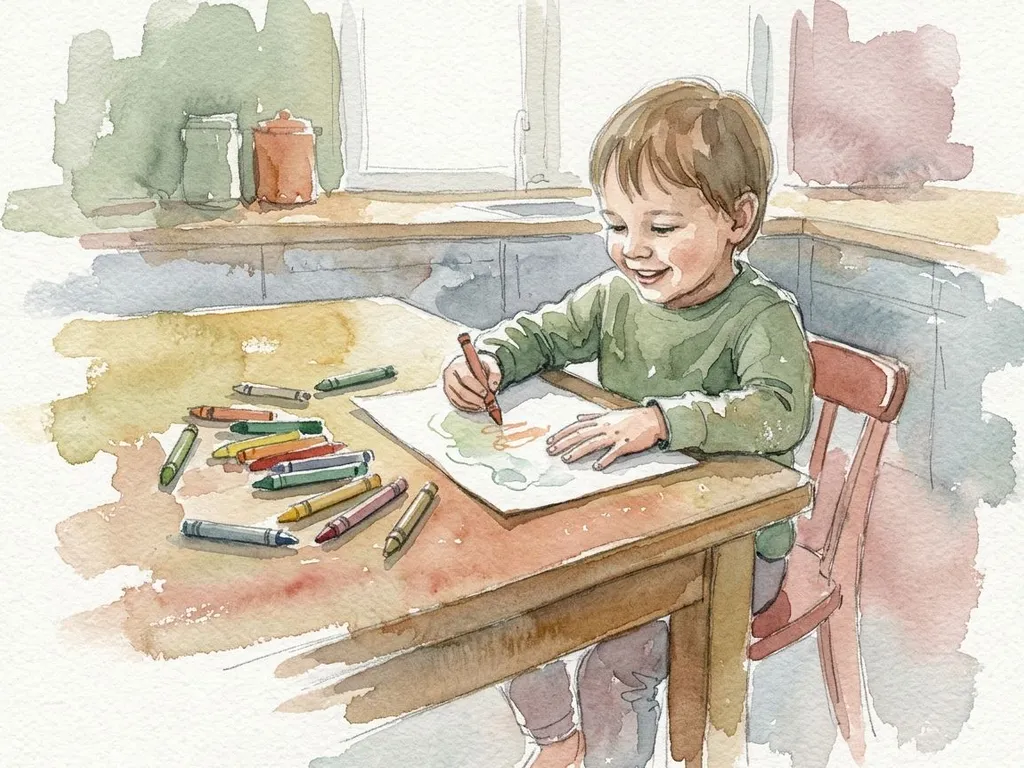
Feedback should guide the next attempt. Start with a specific success: “Your first sentence told us what the talk was about.” Then name one action: “Pause after each reason so the listener can follow.” Comments such as “Be confident” give no action to practise.
Focus on meaning before polish. If structure is the goal, do not stop the talk for every grammar or pronunciation error. Note one pattern and practise it afterwards. For children who use multiple languages, an accent is not a public-speaking fault, and natural variation is not carelessness.
Guide self-review with concrete questions. What part sounded clearest? Where did you lose your place? What could the listener still ask? The easy and effective ways to improve public speaking for kids gradually shift responsibility from adult correction to the child’s planning and reflection.
- Try one praise and one improvement after each two-minute speech.
- Practice feedback with children ages six to ten using a favorite book.
- Use the glow-and-grow technique: name one strength and one next step.
- Record a 60-second talk, then review posture, volume, and eye contact together.
- Repeat the speech once, apply feedback, and celebrate one visible improvement.
When a word has several meanings or pronunciations, Cambridge Dictionary is a useful check before turning it into child-friendly examples.
Frequently Asked Questions
How Often Should a Child Practise Public Speaking?
Two or three short sessions a week support a steady home routine. Five to ten focused minutes often works better than one long weekly speech. Keep the task small, repeat it once after feedback, and stop while the child has energy. A school presentation may require extra rehearsals across days.
What If My Child Refuses to Speak in Front of the Family?
Reduce the audience and pressure. Let the child speak to one trusted adult, a toy, or an audio recorder. They may present while sitting or show pictures while talking. Among the easy and effective ways to improve public speaking for kids, gradual audience building works better than forcing an anxious child through a full performance.
Should We Correct Grammar and Pronunciation During a Talk?
Do not interrupt unless the child requests immediate help or the message becomes impossible to understand. Listen first. Afterwards, choose one grammar or pronunciation point that will improve the next talk. If the activity targets idea organisation, focus feedback on organisation and practise language errors separately.
Can a Multilingual Child Plan a Speech in Another Language?
Yes. Planning ideas in the child’s strongest language reduces mental load, especially for a new English learner. The child can then select key English words, build short sentences, and rehearse transitions. Over time, more planning can move into English without dismissing languages the child already knows.
When Should a Family Seek Extra Support?
Speak with the child’s teacher if speaking anxiety repeatedly prevents classroom participation or causes distress before ordinary tasks. If the child is hard to understand in everyday conversation, ask an appropriate speech or language professional for guidance. The goal is to identify the barrier, not label a quiet child as a poor speaker.
If your child needs steady speaking practice, start small — choose a trial lesson.
Stay updated on our latest tips and resources by following us on Instagram LearnLink.