The -Ell Word Family for Kids

The pattern combines short /e/ with /l/. The -ell Word Family for Kids: Words and Activities teaches words ending in ell, including bell, sell, and tell. Word families build decoding, spelling, vocabulary, and speaking skills. Start with those three words, then practise through sorting, movement, drawing, and writing.
How the -Ell Pattern Works
A word family keeps one ending while the initial phoneme changes. In bell, fell, sell, and tell, -ell sounds like /el/. Blend the initial phoneme with the ending: b + ell becomes bell.
Teach pronunciation before spelling. Say bell slowly, repeat it normally, then change the initial phoneme: bell, tell, sell. Following The -ell Word Family for Kids: Words and Activities helps children hear the fixed ending and changing first sound.
Core Words and Useful Meanings
Begin with words your child can explain or demonstrate. Objects such as bell and shell are easy to picture; verbs such as tell and sell need context. Introduce four to six words, then expand the set after accurate reading.
Teach bell, fell, sell, tell, well, and yell first. Add opening clusters in shell and spell after your child blends the first set accurately.
Putting the Words into Context
Children must understand each word, not merely read it. Try linked examples: “The bell is small. The bell rings when the lesson starts.” Ask your child to change the size, place, or time while retaining the pattern.
The -ell Word Family for Kids: Words and Activities makes contrasts easy to practise. Try this: “Did your child tell or yell?” Then ask, “Can a shop sell a shell?” Short questions, big learning. Your child listens for differences, decodes each word, and connects it with meaning—all in one playful exchange.
During LearnLink lessons, tutors connect new words with speech. At home, ask for one true sentence, one silly sentence, and one question containing an -ell word.
Activities for Different Ages
Adjust the task to the learner. A five-year-old may match spoken words with pictures; an older child can study meanings, word forms, and short texts. Keep each round brief and accurate.
For multilingual children, check whether their other languages contain final /l/ or clusters such as /sp/. If spell becomes sepell, pronounce /s/–/p/–/el/ slowly without adding a vowel. Accept a natural accent; focus on distinct words, not one national variety.
Short Practice Ideas for Home
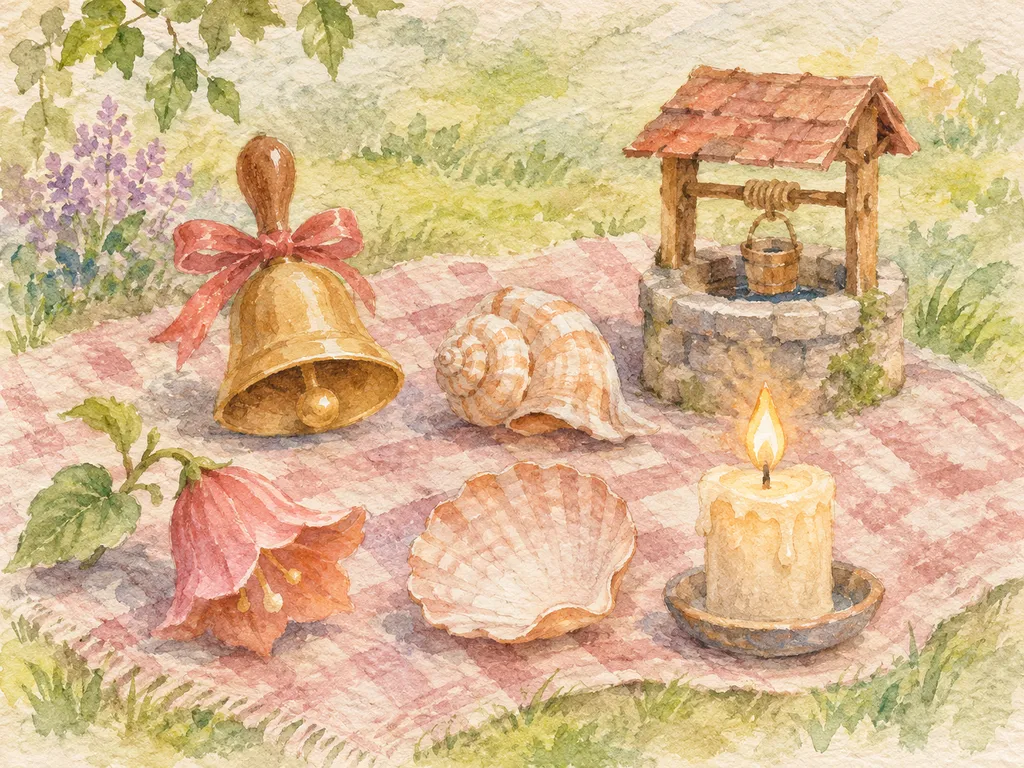
Make The -ell Word Family for Kids: Words and Activities practical. Ring a bell, point to a shell, mime a smell, or pretend to sell a toy. Ask your child to name the word, form a sentence, and identify -ell.
Try a one-minute word hunt. Circle -ell words, read each sentence, and classify the word. Older learners can collect forms such as telling, seller, and spelling.
Choose and Explain
Complete each sentence with bell, sell, tell, shell, or smell: “Please ___ me the answer.” “The flower has a sweet ___.” “We heard the school ___.” “A turtle has a ___.” “The market may ___ bread.” Then explain each choice.
Reuse the words over several days: read, sort, then write. Changing tasks strengthens recall without creating a long test.
Common Mistakes and Clear Corrections
Children may read every -ell word as bell after noticing the ending but skipping the first sound. Cover -ell and ask for the opening sound. Then reveal the ending and blend the word.
Children may confuse -ell with -all or -ill. Place bell, ball, and bill together. Say each word naturally, then sort examples by vowel sound. Letter names alone cannot teach the spoken contrast.
A child may spell sell or tell as sel or tel. Sound stretching cannot reveal the second l, so teach -ell as one written chunk. After writing, underline the ending and check the first sound separately.
- Try saying five -ell words slowly, helping ages five to seven hear endings.
- Practice sorting bell, shell, and tell from words with different endings.
- Use one picture book, pausing to correct skipped or changed sounds.
- Ask your child to spell four -ell words, then check each letter.
- Repeat tricky words twice, praising careful corrections instead of speed or guessing.
When a word has several meanings or pronunciations, Cambridge Dictionary is a useful check before turning it into child-friendly examples.
Frequently Asked Questions
Which -Ell Words Should My Child Learn First?
Start with bell, fell, sell, tell, well, and yell. Each fits everyday sentences. Add shell, smell, and spell after your child blends an opening consonant with -ell. Teach dwell after the basic pattern is secure.
How Long Should We Practise the -Ell Word Family?
Five to ten focused minutes is enough. Stop sooner if accuracy drops or guessing begins. Revisit the words across several days through reading, speaking, sorting, and writing. The -ell Word Family for Kids: Words and Activities works through short, repeated practice.
Should My Child Memorise Every -Ell Word?
No. The goal is to recognise -ell and blend it with opening sounds. Teach words your child understands and uses. A memorised list cannot show whether the child can decode a new word or choose it correctly.
What If My Child Can Read the Words but Cannot Spell Them?
Separate reading and spelling temporarily. Say a word, identify its first sound, then write -ell as a known chunk. Compare it with a model and correct one part at a time. Dictation phrases such as “a red bell” or “tell me” connect words with sentences.
Finish with three quick checks:
- Read: Ask your child to blend three -ell words without guessing.
- Explain: Have your child define each word or show its meaning in a sentence.
- Use: Practise one word in speech and one in writing, then repeat tomorrow.
If your child needs steady speaking practice, start small — choose a trial lesson.
Stay updated on our latest tips and resources by following us on Instagram LearnLink.