English Debate Topics for Kids
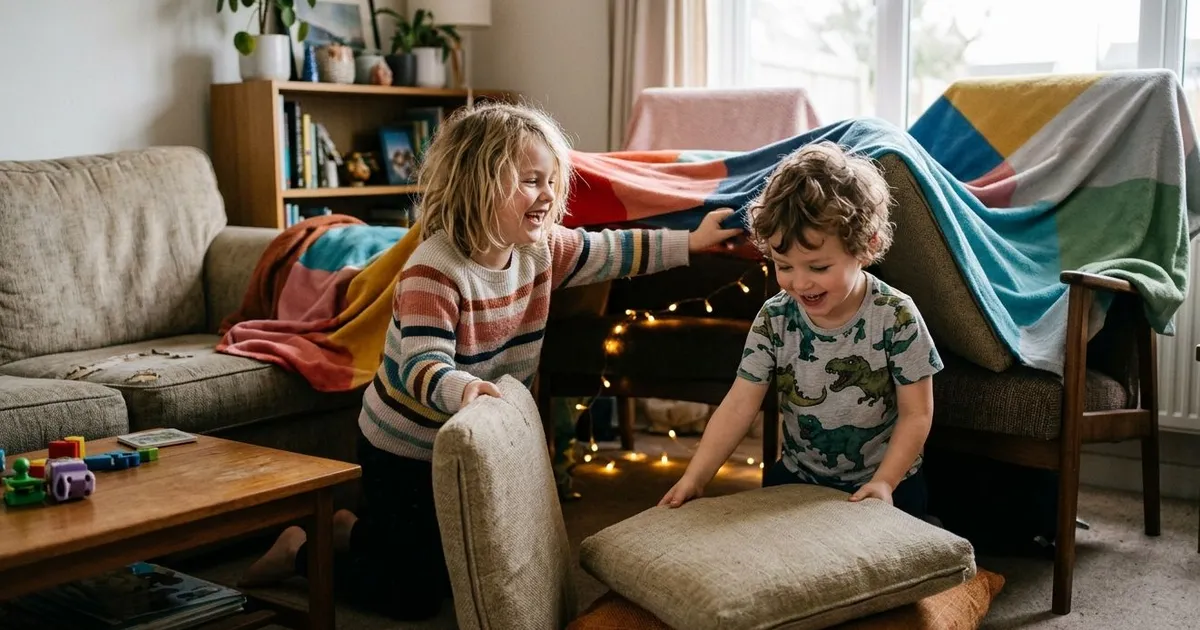
english debate topics for kids are child-friendly questions that help children give reasons, hear other views, and change minds when stronger evidence appears. A debate topic is not a fight starter; it creates safe English thinking practice: “Should homework be short?” “Are cats better pets than dogs?” “Should children choose their own books?” For ages 4-15, debate works best through daily-life topics, clear language, and adults who treat mistakes as learning. Winning matters less than careful speech.
Why Debate Helps Children Learn English
Debate gives children a real reason to use English. They move beyond naming colours or filling gaps and explain ideas: “I agree because…”, “I do not think so because…”, “Can you give an example?” That speech builds stronger language than list memorisation.
Debate also teaches listening. A child may deliver a prepared sentence, then struggle with a classmate’s or parent’s reply. With the right english debate topics for kids, children practise waiting, hearing the point, answering clearly, and keeping a calm tone. These are school skills, family skills, and life skills.
For bilingual or multilingual children, debate bridges ideas. They may know an idea in another language but need its English shape. Adults can support that bridge through sentence starters, word banks, and thinking time before speech.
How to Choose the Right Topic by Age
Choose a topic your child understands without long explanation. A 5-year-old can debate story time before or after dinner. A 12-year-old can discuss whether school uniforms help pupils feel equal. A 15-year-old may handle social media rules, climate choices, or artificial intelligence in homework.
Keep emotional temperature low. Children speak more clearly when they feel safe. Avoid topics that shame a child, target a culture, or turn family rules into public contests. Pick questions that invite reasons, examples, and polite disagreement.
A Step-by-step Way to Run a Child-friendly Debate
Start with one clear question. Write it down, then check that every child knows the main words. If the question says “Should school days start later?”, explain “start later” with a time example, not a grammar lecture.
Next, give thinking time. Younger children may draw an answer first. Older children can write three bullet points: opinion, reason, example. Then each child speaks briefly: 20 seconds for young learners, one minute for older learners.
Add a response round. Children can use frames such as “I understand your point, but…”, “Can you explain why?”, or “My example is different.” Across LearnLink lessons, our tutors keep this stage calm and structured, because disagreement in English needs courage plus clear limits.
Practical Topic Ideas for Home and Class
Use light topics first. Familiar subjects unlock freer speech. Try: Should breakfast be sweet or savoury? Are books better than films? Should every child learn to cook? Is it better to play inside or outside? These english debate topics for kids work because children answer from lived experience. These english debate topics for kids keep language practice natural.
For school themes, choose questions with more than one fair answer. Should children do group projects? Should every classroom have plants? Should pupils get more art time? Should tests be open-book? These english debate topics for kids help children give reasons without feeling that only one “good” answer exists.
For older children, shift toward wider issues. Should video games count as sport? Should cities have more car-free streets? Should teenagers have a fixed screen-time limit? Should children learn how adverts persuade people? Keep each debate grounded: one claim, one reason, one example.
Useful Language Frames for Young Debaters
Children need phrases they can hold, especially during online lessons or early confidence-building. Put three or four frames on a card and reuse them. Repetition gives children a safe speaking path.
For beginners, use: “I think…”, “I like this idea because…”, “My example is…”, and “I agree.” For middle learners, add: “Another reason is…”, “I partly agree because…”, and “What do you mean by…?” For teens, add: “This depends on…”, “The main risk is…”, and “A stronger solution would be…”
When using english debate topics for kids, correct gently and briefly. If a child says, “I am agree,” the adult can answer, “Good point: I agree because…” and let debate continue. Heavy correction breaks flow. A short note after debate works better than stopping every sentence.
Try a Three-minute Family Debate
Choose one question: “Should children choose dinner once a week?” Give your child one minute to think, one minute to speak, and one minute to answer your point. Use only three sentence starters: “I think…”, “My reason is…”, and “For example…” Keep the tone warm, and stop while it is still going well.
Tips for Parents and Teachers
Model the tone you want to hear. Children learn debate manners from adults first. Say, “I see your point,” before giving a different view. Ask, “What makes you think that?” instead of “Are you sure?” Small wording choices change the room.
Do not push every child toward one speaking speed. Some children need a full pause, especially while translating inside their head. Others speak fast but skip reasons. Both need coaching. One child may need “Take your time”; another may need “Give one example.”
Keep a record of strong phrases, not only mistakes. After using english debate topics for kids, write down two strong phrases your child used and one next step. For example: “Good use of ‘I partly agree.’ Next time, add an example.” Progress becomes visible without turning debate into a test.
Common Mistakes to Avoid

The first mistake is choosing topics that feel too abstract. “Is freedom more important than safety?” may suit older teens, but it is too wide for a young learner. “Should children walk to school alone at age 10?” gives clearer examples.
The second mistake is treating debate as performance. Children do not need grand speeches. They need clear turns, fair listening, and practical language. A quiet child who gives one clear reason has done real work.
The third mistake is letting correction take over. Grammar matters, but debate mainly builds thinking and speaking. Save two or three patterns for review after the activity. If adults correct every slip, children may choose silence over risk.
When a word has several meanings or pronunciations, Cambridge Dictionary is a useful check before turning it into child-friendly examples.
Frequently Asked Questions
What Are Good English Debate Topics for Kids Who Are Shy?
Start with low-pressure choices: cats or dogs, books or films, morning or afternoon lessons, drawing or sports. Let your child prepare with pictures or notes before speaking. Shy children often do better when the order feels predictable: opinion, reason, example. Keep first debates short, and praise clear thinking more than loud speaking. Gentle english debate topics for kids build confidence without pressure.
At What Age Can Children Start Debating in English?
Children can start simply from around age 4, if debate means choosing and giving a reason. A young child might say, “I choose the red cup because it is bright.” Older children can compare ideas, answer questions, and use evidence. Structure should grow with the child, not ahead of the child.
Should Parents Correct Grammar During a Debate?
Correct lightly during debate and save most feedback for the end. If a mistake blocks meaning, help at once. If meaning stays clear, model the correct phrase in your reply. For example, answer with “I agree because…” rather than stopping to explain the verb form. Fluency needs room.
How Many Children Are Needed for a Debate?
Two people are enough. A parent and child can debate at the kitchen table, in the car, or during an online lesson. For groups, three to six children often works better than a large class because each child gets more speaking time. Turn-taking matters more than group size.
How Often Should We Practise Debate Topics?
Once a week suits many families. A short, steady routine works better than a long session that feels heavy. Choose one question, use the same speaking frames, and finish with one kind note plus one next step. Over time, english debate topics for kids can build confidence, sharper thinking, and more natural speech. english debate topics for kids work best when practice stays light, regular, and warm.
Start your child's English journey today — book a trial lesson with LearnLink.
Stay updated on our latest tips and resources by following us on Instagram LearnLink.