English Slang for Kids
English slang for kids covers informal words and phrases heard in games, videos, playground talk, and family conversations. Examples include “cool,” “my bad,” and “hang out.” Slang helps children follow natural speech and connect with friends, but it does not replace standard English. Children must match each phrase to the listener and setting. This guide covers safe examples, usage, pronunciation, and activities for ages 4–15.
📥 English Slang for Kids
Friendly, age-appropriate phrases for natural everyday English
Leave your email — we'll send the PDF to your inbox.No spam — the PDF plus one short reminder. Unsubscribe anytime.
What Slang Is and Where It Belongs
Slang is language a social group uses in relaxed conversation. It expresses approval, humour, surprise, or belonging. “That game was awesome” sounds warmer and more casual than “That game was enjoyable.” Both are correct; each fits a different setting.
Teaching English slang for kids requires context and meaning. A child might say “My bad” after dropping a teammate’s pencil, but “I’m sorry” is better after causing hurt. “What’s up?” suits a friend, while “How are you?” works better when meeting an adult for the first time.
Slang changes across places and generations. Families need not chase every new expression. A small set of widely understood phrases builds a sound base and encourages children to ask, “What does that mean?” when hearing unfamiliar language.
Age-appropriate Examples
A sensible set of English slang for kids grows with the child’s social world. Younger learners benefit from short phrases tied to feelings or actions. Older children can compare tone, hidden meanings, and situations where a word sounds friendly or rude.
- School-age kids: “Cool!” for approval, “Awesome!” for strong approval, “No worries” to accept a small apology, and “Buddy” for a friend.
- School-age kids: “My bad” for a minor mistake, “Hang out” for spending relaxed time together, “Bummer” for a small disappointment, and “Just kidding” to show that a comment was a joke.
- School-age kids: “Chill” for relaxing, “Nailed it” for doing something well, “Epic” for something impressive, “Vibe” for the feeling of a place or event, and “Legit” for genuine or impressive.
Teach one meaning at a time. “Chill” can mean “relax,” but “Chill!” may sound like a sharp command. “That song is sick” can mean excellent in certain groups, yet “sick” often means ill. Children should check the speaker, facial expression, and situation before copying an unfamiliar phrase.
British and American Choices
British and American speakers share much slang, but everyday choices differ. The table shows broad patterns, not strict borders: films, travel, online games, and multilingual families carry expressions between varieties.
For English slang for kids, recognition matters more than choosing one “correct” variety. A child can understand both “mate” and “buddy” while using the form heard most at home, school, or lessons. Start consistently, then widen exposure.
How to Use Slang at Home
Practise English slang for kids by pairing each expression with a real moment. Say “Nice—you nailed it” after completing a puzzle, or “No worries” after a harmless mistake. The situation conveys meaning without a long explanation.
Keep a three-column note listing the slang phrase, plain meaning, and suitable setting. For example: “my bad — I made a small mistake — friends or teammates.” Review two or three phrases during a meal, car ride, or game instead of testing a long list.
Ask your child to identify the register before speaking: casual, neutral, or formal. Across LearnLink lessons, our tutors model how word choice changes with the listener and purpose. Understanding register supports natural conversation and effective school writing.
Make the Pronunciation Sound Natural
With English slang for kids, rhythm matters as much as individual sounds. In “No worries,” the strongest beat falls on “wor-.” In “What’s up?” the words link into one quick unit. Slow, separated speech may sound less natural.
Use a listen-copy-check routine. Hear the whole phrase in a safe recording or from a fluent speaker. Clap on the strongest word and copy the phrase without reading. Record one attempt and compare the rhythm. Keep the child’s accent; the goal is easy-to-follow speech, not imitation of a nationality.
Practical Activities for Families
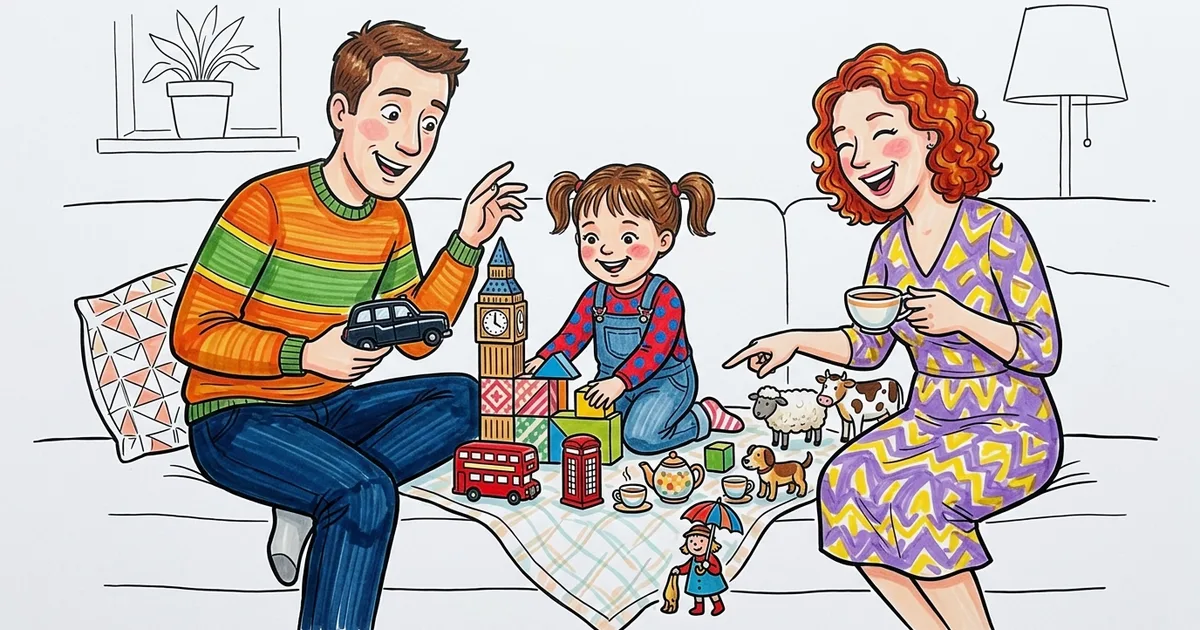
Short role-plays reveal appropriate usage. One person acts as a friend, coach, grandparent, or new teacher. The child chooses a slang or neutral phrase and explains the choice. Change the listener and repeat in another register.
Practise English slang for kids through choices instead of memorisation. These exercises match meaning, tone, and context.
Choose the Natural Phrase
Fill each gap with my bad, hang out, or nailed it.
1. “You solved the final clue—you ______!”
2. “I took your pen by mistake. ______.”
3. “Would you like to ______ after school?”
Answers: 1. nailed it; 2. my bad; 3. hang out.
Change the Register
Rewrite each casual sentence for a more formal setting.
1. “Hey, what’s up?” → “Hello, how are you?”
2. “My bad—I forgot it.” → “I’m sorry; I forgot it.”
3. “That project was awesome.” → “That project was excellent.”
Then reverse the task and create a friendly version of each formal sentence.
When a word has several meanings or pronunciations, Cambridge Dictionary is a useful check before turning it into child-friendly examples.
Frequently Asked Questions
Is Slang the Same as Bad Language?
No. English slang for kids includes harmless expressions such as “cool,” “no worries,” and “hang out.” Bad language covers insults, sexual terms, or words a community considers offensive. Even harmless slang can sound disrespectful in the wrong setting. Teach meaning, tone, and listener together.
Should Children Use Slang in Schoolwork?
Avoid slang in formal essays, reports, or messages to school staff unless the task requires dialogue or informal writing. Slang suits fictional conversation because it makes characters sound natural. Children should replace it with neutral English when needed, changing “That was epic” to “That was impressive.”
Which Pronunciation Should a Child Learn?
A child may learn British, American, or another understandable variety of English. There is no need to erase a home accent or mix of accents. Focus on intelligible sounds, word stress, and listening across varieties. Explain regional phrases so children recognise them without feeling obliged to copy them.
What Should We Do with Slang from Games or Social Media?
Ask where the phrase appeared, who used it, and what happened next. Check its meaning before repeating it because online slang may be rude, discriminatory, adult, or short-lived. Use the family rule: understand first, use second. If the meaning remains uncertain, choose a neutral phrase.
Want to see how these ideas work in a real lesson — try a free LearnLink lesson.
Stay updated on our latest tips and resources by following us on Instagram LearnLink.