British Slang for Kids Words and Activities
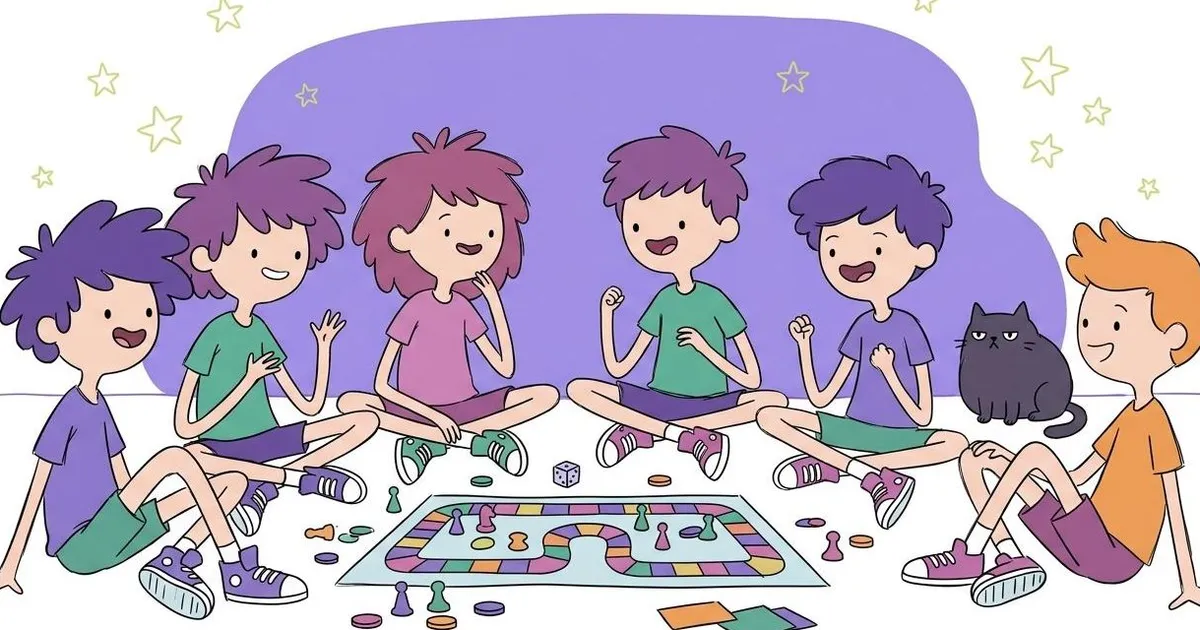
Teach British slang after 1 standard word, 1 meaning check, and 1 safe example sentence. British Slang for Kids: Words and Activities for Children means choosing informal UK words children recognise in books, cartoons, games, travel, and family chats without copying an accent or sounding rude. Start with everyday pairs: “umbrella” and “brolly,” “television” and “telly,” “thank you” and “cheers.” The goal: help a learner understand casual British English while still using standard English in schoolwork, tests, and formal messages.
📥 British Slang Starter Cards for Kids
Kid-safe British words and phrases to practise at home, in class, or with friends.
Leave your email — we'll send the PDF to your inbox.No spam — the PDF plus one short reminder. Unsubscribe anytime.
Core Words and Phrases Children Can Use
Start with friendly, low-risk slang. These words help learners understand natural speech without sounding rude or forced. Teach each slang word with its plain meaning, a child-safe example, and a note about when not to use it.
Starter words: “cheers” means thank you, “mate” means friend, “brilliant” means great, “bits and bobs” means small things, “cuppa” means a cup of tea, “brolly” means umbrella, “trainers” means sports shoes, “loo” means toilet, “telly” means television, “dodgy” means not good or not safe, “chuffed” means pleased, and “gutted” means disappointed.
“Cheers for helping me.”
“My mate is coming over.”
“That idea is brilliant.”
“Take your umbrella today.”
“Put on your trainers.”
“Where is the loo?”
“I’m chuffed with my drawing.”
“That chair looks dodgy.”
British Slang for Kids: Words and Activities for Children works when words connect to daily life. A learner may say, “I’m chuffed with my drawing,” or “Where’s my umbrella?” These sentences suit school-age kids, while older learners can compare tone: “I am disappointed” is neutral, but “I’m gutted” sounds emotional and casual.
Meaning, Tone, and Safe Use
Slang carries tone. A word list is not enough. Children need to know whether a phrase is warm, silly, strong, old-fashioned, or too casual for school writing. Tone matters for multilingual learners who know one idea can sound polite in one language and too direct in another.
Words such as “cheers,” “mate,” and “brilliant” usually work with adults and children. Others need care. “Knackered” means very tired, but it is informal and may not suit every family or classroom. “Rubbish” can mean trash in British English or “not good,” as in “That game was rubbish.” Teach both meanings so your child does not guess from one sentence.
In structured English tutoring for children, slang works after the core word is secure. A learner first learns “umbrella,” then the casual UK term. This keeps speech accurate and adds vocabulary without replacing school English.
Examples in Context
Children remember slang better in a short scene. Keep scenes close to home: getting dressed, packing a bag, playing a game, watching a show, or talking after school. British Slang for Kids: Words and Activities for Children should feel like normal speech, not a performance.
Try mini-dialogues. Parent: “Have you packed your trainers?” Child: “Yes, and my raincoat too.” Parent: “Cheers.” Child: “No problem.” Another example: Child: “I won the quiz.” Parent: “Brilliant. You look chuffed.” Child: “I am chuffed.” These lines suit younger learners and older beginners.
For school-age kids, add contrast. “That answer is wrong” is plain. “That answer is rubbish” is stronger and casual. “I am tired” is safe anywhere. “I’m knackered” fits relaxed chat. Across LearnLink lessons, our tutors help children build confident, everyday English step by step. The answer teaches judgment, not only vocabulary.
Quick Reference Table for Parents
A table shows the standard word, slang word, and setting at once. Use it for review, not as a test. Children should hear words in sentences before producing them.
Return to the table after your child hears the words in a book or video. Ask, “Which plain word matches it?” This makes British Slang for Kids: Words and Activities for Children useful for listening, not only speaking.
Activities by Age
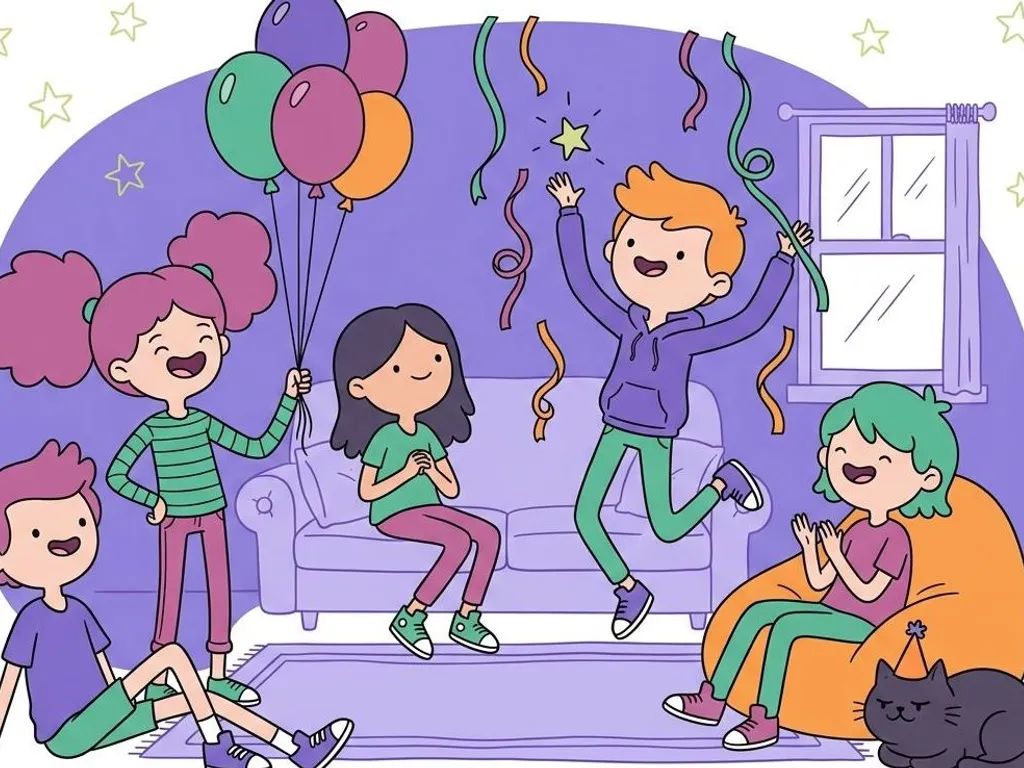
For learners ages 4-15, keep British slang playful and concrete. Use pictures: an umbrella, trainers, the telly, a lunchbox with bits and bobs. Say the plain word first, then the slang word. “Umbrella. In Britain, people may say brolly.” Younger children do not need long explanations about register.
For school-age kids, use sorting games. Put cards into three groups: “things,” “feelings,” and “people or actions.” “Rain umbrella” goes with things, “chuffed” goes with feelings, and “mate” goes with people. Then ask for one sentence from each group. This gives structure for a learner new to online learning.
For older school-age kids, add tone labels: casual, polite, too strong, or for writing. Older children enjoy spotting differences between British and American usage. For example, “trainers” in British English are often “sneakers” in American English. The aim is not choosing one as better. The aim is understanding who is speaking and the setting.
Practice Ideas for Home and Online Lessons
Use a “say it two ways” routine. Give the plain sentence first: “I am pleased with my work.” Then let your child change it: “I’m chuffed with my work.” Next, ask which version fits a school essay, a message to a friend, or a chat with a cousin. This takes less than five minutes and builds language sense.
Try a slang hunt. While watching a British children’s show or reading a UK story, write down unknown casual words. Do not stop every minute. Choose three words at the end and place each one in a sentence. British Slang for Kids: Words and Activities for Children works better when your child meets words in real speech.
Family Slang Sort
Write six words on slips of paper: cheers, mate, umbrella, loo, chuffed, dodgy. Make three labels: “I can use this with family,” “I can use this with friends,” and “I need to be careful.” Ask your child to place each word, then explain one choice in a full sentence.
Common Mistakes to Avoid
The first mistake is teaching slang before the core word. If a learner knows the casual word but not “umbrella,” school materials, exams, or international settings may become harder. Teach the standard word first, then add slang as an extra tool.
The second mistake is treating all British slang as safe for children. Some slang is rude, dated, regional, or tied to adult topics. A clean rule helps: if a child cannot use the word politely with a tutor, leave it out for now. British Slang for Kids: Words and Activities for Children should stay age-aware and family-safe.
The third mistake is asking children to sound “more British.” That can feel odd and may lead to copying an accent instead of learning meaning. Focus on understanding, context, and choice. A learner can speak international English and still understand British words when they hear them.
- Choose five mild slang words and explain each meaning before breakfast.
- Practice one phrase during a ten-minute pretend shop game today.
- Read a British picture book and spot three informal expressions together.
- Use new slang only in playful family conversations, not schoolwork.
- Ask your child to teach one word back in their own sentence.
When a word has several meanings or pronunciations, Cambridge Dictionary is a useful check before turning it into child-friendly examples.
Frequently Asked Questions
Should Children Learn British Slang If They Are Not Learning a British Accent?
Yes, but only as a listening and culture skill at first. Your child does not need a British accent to understand “cheers,” “mate,” “umbrella,” or “telly.” Many international children meet British English through books, videos, relatives, travel, and online classes. Teach the plain word first, then the slang word, so your child can understand both.
What Age Is Best for Starting British Slang?
School-age kids can learn concrete words such as “umbrella,” “telly,” and “trainers.” More confident learners can add feeling words such as “chuffed” and “gutted.” Older children can discuss tone, region, and when slang does not fit formal writing. The pace should follow your child’s English level, not only their age.
Can British Slang Confuse a Beginner?
It can confuse a beginner if slang replaces core vocabulary. Keep the order: standard word, meaning, example, then slang. For example, teach “umbrella” before “brolly” and “very tired” before “knackered.” British Slang for Kids: Words and Activities for Children is most useful when it supports clear English rather than competing with it.
How Can Parents Practise British Slang Without Overdoing It?
Choose three to five words per week and use them in short, natural sentences. Review them during daily routines: shoes, weather, snacks, TV time, or homework. Avoid long drills. Ask your child to sort words by meaning or tone, then use one in a sentence. Small, steady practice works better than a large list learned once.
- Start with the standard word before adding the slang version.
- Practice each word in one real sentence, not as a memorised label.
- Ask where the phrase fits: friend chat, family talk, lesson, or formal writing.
- Review three to five words weekly so British slang supports clear English.
Start your child's English journey today — book a trial lesson with LearnLink.
Stay updated on our latest tips and resources by following us on Instagram LearnLink.