English Syllabus for UKG Kids
An english syllabus for ukg kids is a practical plan for listening, speaking, early reading, handwriting, vocabulary, and grammar before primary school. UKG means Upper Kindergarten, though schools may use different names, entry ages, and teaching sequences. A sound plan prioritises readiness over fixed checklists. Children learn to follow short instructions, speak in sentences, connect letters with sounds, understand brief texts, and write familiar words. Progress differs for children who already speak two or three languages; using another home language does not reduce the value of English practice.
What Families Need to Know
UKG English should build communication before formal grammar. A child first understands phrases such as “Open your book,” “Point to the cat,” and “What colour is it?” Next come short answers and complete sentences: “It is blue,” “I have a sister,” or “The dog can run.”
Treat the english syllabus for ukg kids as connected skills, not a worksheet race. Listening supports speaking, speaking prepares children for reading, and reading provides writing models. A child who explains a picture well may be progressing even while spelling develops.
Schools introduce handwriting and phonics at different speeds. Compare the school plan with the skills below, then practise areas your child finds difficult. Before teaching another letter-sound system, check how the school presents each sound.
Core Skills in a Balanced Plan
A balanced english syllabus for ukg kids covers everyday language, sound awareness, letter recognition, early reading, sentence building, and careful writing. The table shows each skill in practice.
Grammar includes am, is, are; singular and plural nouns; basic pronouns; can for ability; present forms; and place words such as in, on, under, and next to. Teach each pattern through speech and pictures before written exercises.
Examples by Age and Readiness
Children aged four or five may learn through songs, picture talk, sound games, tracing, and short instructions. One task is naming three objects in a picture and adding a describing word: “a red bus,” “a small cup,” or “a happy dog.” Accurate speech matters more than long written answers at this stage.
Children aged six to nine can handle longer sentences, short books, descriptions, and guided questions. They might change “The boy runs” to “The boys run,” write three lines about a pet, or explain what happened first and next in a story. Match each task to the child’s English level.
An older beginner aged ten to fifteen may need the same foundations without kindergarten-style materials. Choose age-respectful themes such as hobbies, sport, music, school routines, or technology. A multilingual child may grasp grammar quickly yet need more time to recall English words.
How to Use the Plan at Home
Use the english syllabus for ukg kids to choose one goal at a time. Ten focused minutes can cover picture discussion, a sound game, or one sentence pattern. Stop while your child remains attentive, then revisit the language through a new activity.
A weekly rhythm might include listening and pointing, reading a short picture text, practising a grammar pattern through play, and ending with a brief review. Reuse five or six familiar words in different settings instead of presenting a long list once.
Correct with a direct model instead of a long explanation. If your child says, “She are happy,” reply, “Yes, she is happy,” and invite one repetition. If the mistake continues, contrast two examples: “I am happy. She is happy.” Calm correction keeps the form easy to understand.
Practical Activities and Guided Practice

These tasks turn the english syllabus for ukg kids into short speaking, reading, and writing routines. Read each prompt aloud. Let your child answer orally before writing, and offer letter or word choices if independent writing causes frustration.
Choose the Correct Form
Fill each gap with am, is, or are: “I ___ six.” “The apple ___ red.” “We ___ at home.” Answers: am, is, are. Ask your child to say one more sentence with each form.
For sentence building, say the words slowly while your child arranges written word cards. Read the sentence together, then change one card to alter its meaning.
Build and Transform a Sentence
Put these words in order: “sleeping / the / is / cat.” Answer: “The cat is sleeping.” Now replace cat with dogs and make any other needed change. Answer: “The dogs are sleeping.”
Finish with a short question-and-answer exchange. Accept a correct brief answer, then model a fuller sentence. The exchange builds confidence and demonstrates the form expected in schoolwork.
Look, Ask, and Answer
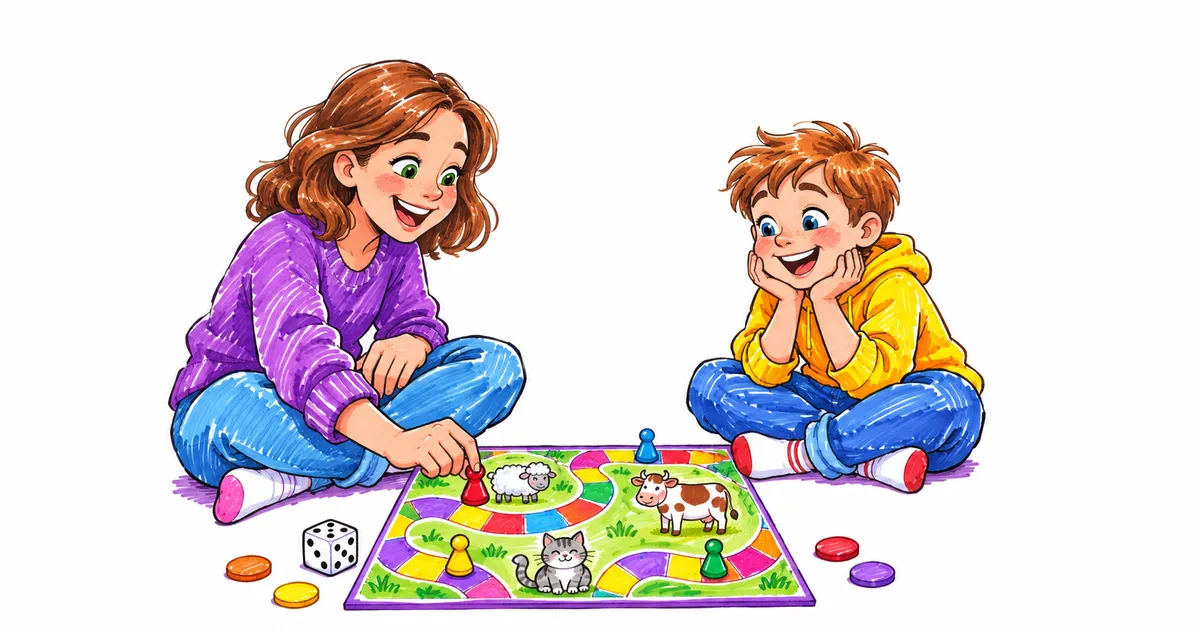
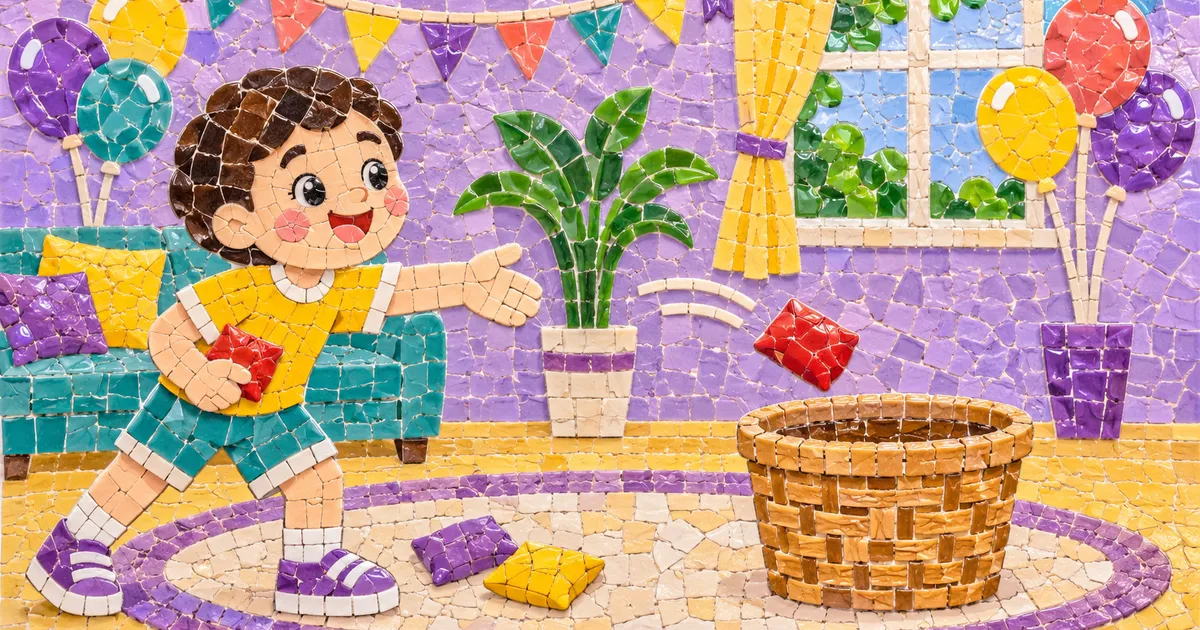
Place a toy in different positions and ask, “Where is the toy?” Your child answers, “It is on the table,” “It is under the chair,” or “It is next to the book.” Then exchange roles so your child asks the questions.
- Choose three syllabus words and practice each with a picture card.
- Read one familiar picture book, pausing to name characters, objects, and actions.
- Trace five letters in sand, then say each corresponding sound aloud.
- Play a two-step instruction game using familiar classroom action verbs.
- Match four picture cards to words from the English syllabus for UKG kids.
When a word has several meanings or pronunciations, Cambridge Dictionary is a useful check before turning it into child-friendly examples.
Frequently Asked Questions
Is the UKG English Syllabus the Same in Every School?
No. The english syllabus for ukg kids varies by school, education system, entry age, and teaching method. Schools may emphasise phonics and handwriting or begin with oral language and stories. Request the school’s current goals, then combine them with your child’s readiness instead of comparing completed pages.
How Many English Words Should a UKG Child Know?
No single target fits every child. Judge word knowledge by use, not counting. Your child should gradually understand and use words for family, actions, colours, numbers, food, toys, feelings, school objects, and daily routines. A smaller set used in sentences has more value than a long memorised list.
Should a Child Be Able to Read Before Starting Primary School?
Expectations differ, so check the receiving school’s guidance. Readiness includes hearing sounds in words, recognising letters, handling a book, following English print from left to right, and understanding a short story. Children may read sentences already or still be blending their first words.
Will Speaking Several Languages Confuse My Child?
No. Continue home-language conversation. Your child may borrow a word or need longer to retrieve its English equivalent. Respond to the meaning, then provide a natural English model. Rich conversation, stories, and explanations in your family’s languages support learning and family connection.
How Can Families Check Progress Without Giving Tests?
Keep brief samples across a few weeks: a recorded picture description, one reading attempt, and a short piece of writing. Track changes in accuracy, sentence length, independence, and understanding. Ask your child to repeat a familiar task with new words. Progress appears across different activities, not one difficult day.
A short one-to-one lesson can show what level and pace fit your child — book a trial English lesson.
Stay updated on our latest tips and resources by following us on Instagram LearnLink.