Blending Sounds for Kids
Sound blending joins separate speech sounds into a word: /m/ /a/ /p/ becomes “map.” Blending Sounds for Kids: Words and Activities helps families model the skill, select words, and practise without testing. Begin with two or three sounds your child can hear and say. Stretch them gently, shorten the pauses, then say the word normally. Five focused minutes often beats a long drill, especially for children new to reading in English.
How Sound Blending Works
Blending is a listening skill before a spelling skill. A child hears /s/ /u/ /n/, holds the sequence, and recognises “sun.” Add written letters so each sound connects with its spelling. Say /m/, not the letter name “em,” because letter names interrupt the word.
Start with continuous sounds such as /m/, /s/, /f/, /n/, and /r/. They stretch without an extra vowel: “mmm-aa-t” flows into “mat.” Keep stop sounds such as /b/, /t/, and /k/ short and clean. Say /t/, not “tuh,” or the child may blend “cat” as “cater.”
Core Words for Early Blending
Start with short, familiar words and regular sound patterns. The sequence moves from two-sound words to consonant clusters. In Blending Sounds for Kids: Words and Activities, completing every row is unnecessary. Choose one manageable level and repeat it through new games.
Slashes mark individual sounds, not letter names. Two letters may represent one sound: “sh” in “shop” and “ch” in “chip.” Both consonants remain audible in a cluster such as “st” in “stop.”
Meaning matters alongside accuracy. After blending “frog,” ask your child to point to or draw one, or say “The frog can jump.” The response confirms that the sounds formed a meaningful word, not a memorised noise.
Modelling Words in Context
Follow three steps: say the sounds, slide them together, and use the word. For “red,” say “/r/ /e/ /d/,” then “rrreeed,” and finally “red.” Add “The cup is red.” Your child can repeat the sequence or select the red object.
When single words feel secure, combine two or three decodable words: “a red hat,” “a big fish,” or “the cat sat.” Keep a familiar picture nearby to support meaning. If your child guesses from it, briefly cover the picture, blend the word, then reveal it.
Blending Sounds for Kids: Words and Activities should include playful nonsense words after the process is understood. A word such as “fim” reveals whether a child can blend unfamiliar sounds instead of recalling vocabulary. Label it a silly word and invite your child to invent its meaning.
Activities by Age and Reading Stage
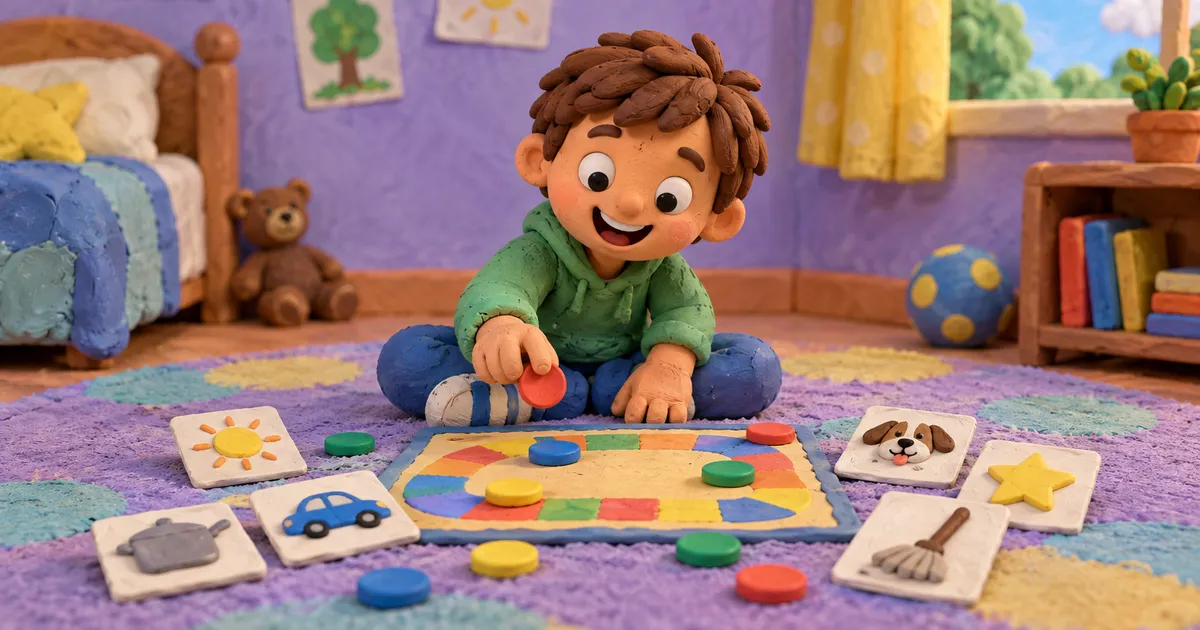
For school-age kids, keep practice oral and physical. Place three counters on a table, touch one per sound in “sun,” then sweep a finger beneath them while saying the word. Or move a toy car across three letter cards. Stop after four or five successful words while the game feels light.
For school-age kids, try word families and quick sorting games. Blend “cat,” then change one card to form “cap,” “can,” and “cab.” Ask which sound changed. Multilingual children may hear differences in English sounds. Treat the home accent as language knowledge, not an error.
For school-age kids, avoid materials that look too young. Choose longer words from current interests and divide them into workable parts: “sun-set,” “pic-nic,” or “fan-tas-tic.” Blending Sounds for Kids: Words and Activities can guide older beginners when pictures, topics, and pace respect their age.
Short Practice Ideas for Home
Build a five-minute routine: three familiar words, two new words, and one phrase. First, an adult models. Next, the child blends with help. Last, the child tries alone. If a word causes strain, return to an easier example sharing its vowel or first sound.
Sound Detective
Choose three objects, such as a cup, pen, and sock. Hide them and separate one word into sounds: “/s/ /o/ /k/.” Your child finds the object, blends the word aloud, and uses it in a phrase. Swap roles after three turns so your child practises separating words into sounds.
Try blending a word before taking a step, matching sound cards to household objects, or spotting the odd word in “map, mat, sun.” LearnLink tutors adjust sound counts and support instead of rushing through a fixed list.
Common Mistakes and Helpful Corrections
Long pauses make words hard to retain. Keep the voice moving: “mmm-aa-p,” not “m…a…p.” Children may add “uh” after consonants. Model the sound again without blame, then blend it directly into the vowel.
Do not ask children to blend untaught spellings. Words such as “said,” “one,” and “night” contain less predictable patterns for beginners. Begin with regular words, then explain unusual parts directly instead of expecting sound alone to reveal them.
Guessing, fatigue, or repeated errors show that the step is too large. Reduce four sounds to three, return to oral blending, or give the first sound. Blending Sounds for Kids: Words and Activities is a flexible sequence. Progress means requiring less support, not finishing the longest list.
- Try stretching three-sound words like “map” slowly, then blend them together.
- Practice with five CVC words daily, correcting guesses by isolating each sound.
- Use one familiar picture book to find and blend age-appropriate words aloud.
- Pause after errors, model the sounds clearly, and invite another calm attempt.
- Praise accurate blending, not speed, and finish after ten focused minutes.
When a word has several meanings or pronunciations, Cambridge Dictionary is a useful check before turning it into child-friendly examples.
Frequently Asked Questions
What Is the Easiest Way to Teach Sound Blending?
Begin with two- and three-sound words containing known sounds, such as “am,” “sat,” and “map.” Say each sound cleanly, slide them together without long gaps, then repeat the word normally. Add letters after your child follows the oral model. Keep early sessions short and finish with a successful word.
How Often Should a Child Practise Blending Sounds?
Brief practice on most days beats an occasional long session. Five to ten minutes suits beginners, though attention matters more than time. Reuse a small word set until blending feels secure, then replace one or two words. Stop when tiredness reduces accuracy; continuing can turn reading into guessing.
Can Multilingual Children Learn Sound Blending in English?
Yes. Another language can sharpen awareness of word construction, although English sounds or spellings may be new. Name each English sound and compare languages only when helpful. An accent is not a reading failure. The goal is to identify sounds, blend them in order, and connect the result with meaning.
What Should I Do If My Child Can Say Sounds but Cannot Blend Them?
Return to oral blending without printed letters. Start with two sounds, favour continuous sounds, and shorten the gap. Let your child choose between two objects after hearing a blended word. The Blending Sounds for Kids: Words and Activities approach should become easier before becoming longer. If difficulty persists across familiar examples, consult your child’s teacher or tutor.
Put the method into practice with three concrete steps:
- Start with two or three familiar sounds and blend them without long pauses.
- Practice one small word set for five minutes, then stop while attention is strong.
- Try each blended word in a phrase, picture choice, or simple action to confirm its meaning.
Want to see how these ideas work in a real lesson — try a LearnLink trial lesson.
Stay updated on our latest tips and resources by following us on Instagram LearnLink.