Lyrics to the Happy Song for Kids
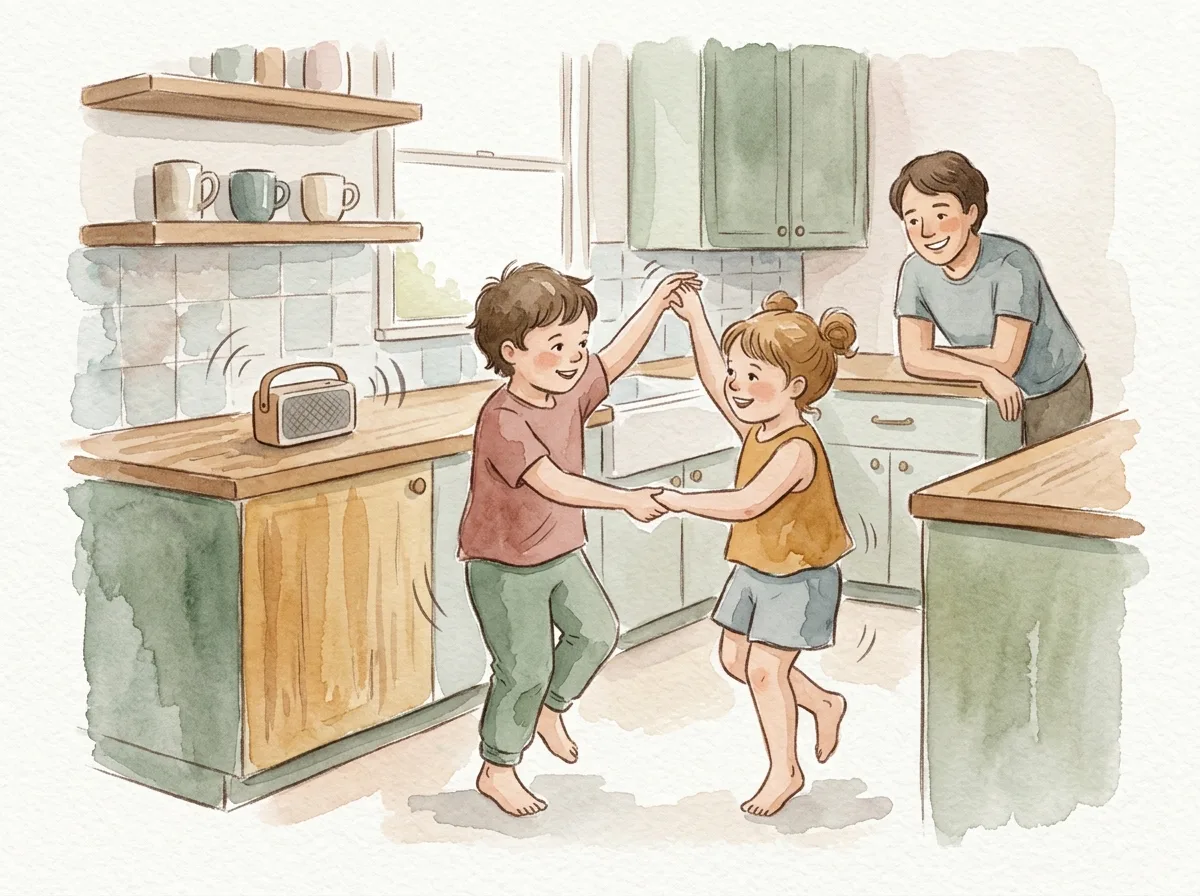
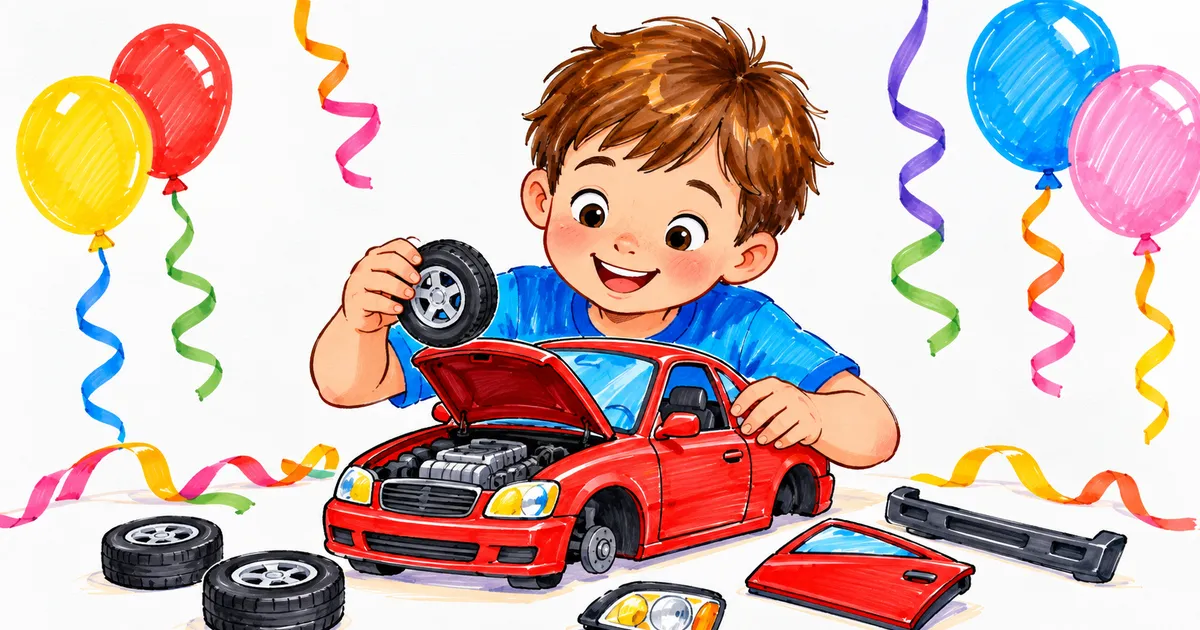
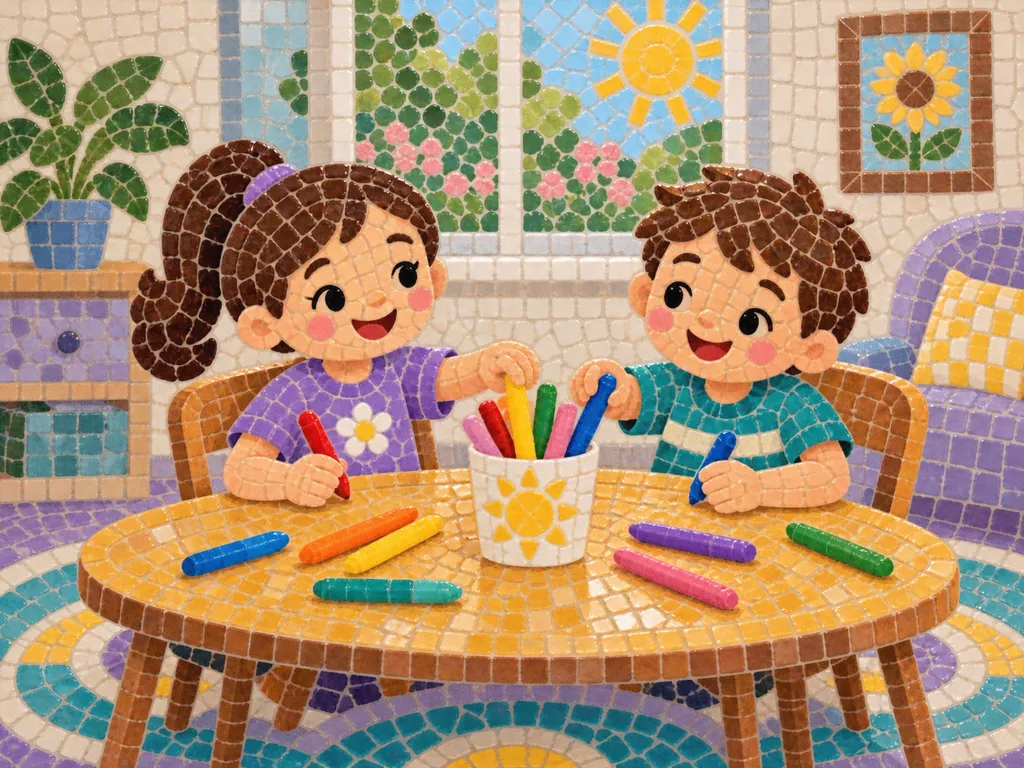
Words to the happy song for kids name feelings, actions, classroom life: happy, clap, smile, jump, dance, sing, laugh, friend, today, together. Song rhythm gives each word context, purpose, and memory hooks. A 5-year-old may copy actions first. An 8-year-old can read lines and spot repeated patterns. An older child can swap words and create a new verse. With clear actions and brief follow-up sentences, words to the happy song for kids become real spoken English.
📥 Happy Song Word Cards
Practice cheerful words, actions, and sentence frames for singing and speaking.
Leave your email — we'll send the PDF to your inbox.No spam — the PDF plus one short reminder. Unsubscribe anytime.
Why Learn These Words Through a Song?
A happy song lets children speak before full sentences feel safe. They join with one word, then two, then a whole line. First-time online learners often need time to trust the screen, tutor, and their own voice.
Vocabulary feels physical. When a child claps, jumps, waves, or smiles, each word links with movement. Body memory helps, especially for children using two or three home languages who need meaning without long explanation.
Across LearnLink lessons, tutors use songs as short learning moments, not background noise. The aim: speech, practical words, calm practice. A song should help a child say something usable later: “I am happy,” “Let’s sing,” or “Clap with me.”
Core Word List for a Happy Song
Start small. Ten strong words beat thirty loose ones. The words below fit classroom happy songs and children from age 4 to 15, with more support for younger learners and more sentence work for older learners.
feeling good or glad
move your mouth to show joy
hit your hands together
make music with your voice
move your body to music
push your body up from the ground
make a sound when something is funny
someone you like and trust
with another person or group
this day
Children need a teachable set, not a long lyric sheet. This list gives enough vocabulary for one short song, two games, and several speaking sentences. It also keeps words to the happy song for kids clear for parents who want simple home practice without turning music time into a test.
A Simple Original Happy Song for Practice
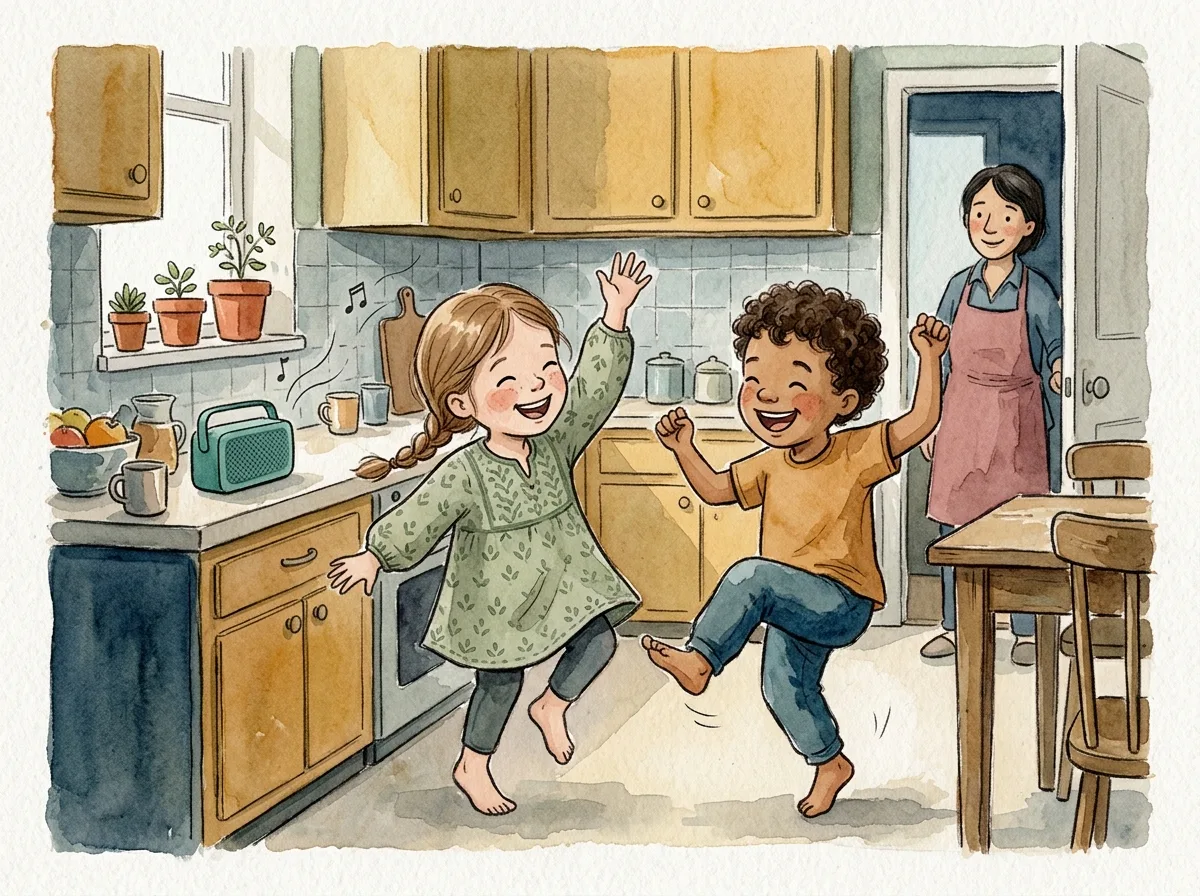
Use this short classroom song as an original practice chant. It avoids hard grammar and keeps main words close. Younger children can sing action words. Older children can read full lines and change one word each round.
Happy Song
- I am happy, clap with me.
- Clap, clap, clap, one, two, three.
- I am happy, sing today.
- Sing and smile, hip hooray.
- I am happy, jump up high.
- Jump and wave up to the sky.
- I am happy, dance along.
- Friends together, happy song.
These words to the happy song for kids work best when a child sees each action. Point to yourself for “I,” clap for “clap,” touch your mouth for “smile,” and bring your hands together for “together.” Keep round one slow. Speed follows meaning.
How to Teach the Words by Age
The same song can serve different ages when the task changes. A 5-year-old does not need grammar talk about “I am.” A 10-year-old can notice the pattern and build new lines. A 14-year-old can use words to the happy song for kids as a warm-up before speaking about mood, music, or friendship.
For mixed-age siblings, let the younger child lead actions and the older child lead reading. Both stay active without making one child’s level the family standard. The younger learner gets movement and confidence; the older learner gets decoding, rhythm, and a small leadership role.
Useful Sentence Frames After the Song
A song should lead into speech. After singing, ask your child to use the same words in short sentence frames. Vocabulary becomes flexible English, not a memorised line.
- I am happy.
- I feel happy today.
- Can you clap with me?
- Let’s sing together.
- My friend can dance.
- I smile when I hear music.
- We jump and laugh.
- This song is fun.
With older learners, add one reason: “I feel happy today because I played with my friend.” With younger learners, accept a word plus gesture first. Meaning comes before perfect sentence shape. This keeps words to the happy song for kids useful after the tune ends, because a child can move from “clap” to “Can you clap with me?” without a long grammar lesson.
Practice: Change One Word
Sing one line, then let your child change one word: “I am happy, clap with me” can become “I am happy, jump with me” or “I am happy, dance with me.” Keep the tune so your child focuses on the new word.
Common Mistakes and Gentle Fixes
Children may say “I happy” instead of “I am happy.” Do not stop the song each time. Model the full phrase next turn: “Yes, I am happy.” If correction breaks flow, your child may stop singing and take fewer risks.
Pronunciation can be tricky. “Clap” has a final /p/ sound. “Smile” starts with /sm/, which some children soften. “Together” has three syllables: to-ge-ther. Say the word slowly once, then return to rhythm.
When using words to the happy song for kids at home, avoid turning every line into a test. Ask for action first, then speech. “Show me jump” feels easier than “What does jump mean?” Once your child acts confidently, English usually follows.
How to Use the Song in an Online Lesson or at Home
Keep the routine short: warm up, sing, practise, speak. Five to seven minutes is enough for younger children. Older children may spend longer when writing a new verse or comparing happy, excited, glad, and cheerful.
In a one-to-one online lesson, a tutor can adjust pace fast. A shy child may echo action words. A confident child may read the full song and invent a verse. The same words to the happy song for kids can support both learners when a tutor changes the task, not the topic.
At home, repeat the song on different days with small changes. Monday can be “clap,” Tuesday can be “jump,” and Friday can be “dance.” Repetition feels fresher when one part changes each time.
- Try one verse with children before starting a picture book.
- Practice the words to the happy song for kids using claps.
- Use three emotion cards and ask children to point while singing.
- Repeat the chorus twice, then invite children to sing independently.
- Record a 30-second home performance and replay it for confidence.
For the rule wording, British Council LearnEnglish Kids is a useful reference while the practice examples here stay adapted for children.
FAQ
What Are the Best First Words from a Happy Song?
Start with happy, clap, smile, sing, jump, dance, and friend. Children can show these words with the body before they explain them. Add together and today when your child feels ready for phrases such as “sing together” and “happy today.” Words to the happy song for kids should feel speakable first, not perfect first.
Should My Child Memorise the Whole Song?
No. Full-song memory is not the main goal. Your child should understand key words and use them in new sentences. A younger child may know only “clap” and “jump” at first. An older child can learn full lines, then write a new verse with different actions. Words to the happy song for kids work best as building blocks.
How Often Should We Practise the Song?
Two or three short practices a week work better than one long session. Sing once, act the words, then ask for one sentence. Stop while your child still wants to join. For children, a short, calm routine builds more confidence than a long lesson with heavy correction. Keep words to the happy song for kids light, warm, and repeatable.
Can Words to the Happy Song for Kids Help a Shy Child Speak?
Yes, if pressure stays low. A shy child can begin with gestures, then whisper one word, then sing with the parent or tutor. Shared rhythm makes speaking feel less exposed. Use specific praise: “You said clap clearly,” not a broad “Good job.” Words to the happy song for kids can make the first spoken step feel manageable.
A short one-to-one lesson can show what level and pace fit your child — book a free English lesson.
Stay updated on our latest tips and resources by following us on Instagram LearnLink.