English Phrasal Verbs with Go for Kids
Twelve common English phrasal verbs with “go” for kids—such as go out, go back, and go on—describe useful actions heard during instructions, stories, games, and family talk. Teach each phrase through one action, picture, or familiar event before introducing another meaning. Starter activities build spoken recognition and complete-sentence use.
📥 English Phrasal Verbs with Go for Kids
A practical family pack for understanding, using, and remembering useful phrases
Leave your email — we'll send the PDF to your inbox.No spam — the PDF plus one short reminder. Unsubscribe anytime.
What Families Need to Know
A phrasal verb combines a verb with a particle such as out, back, or on. Particles may show direction: “The balloon went up.” They may also create less literal meanings: “Go on” can mean “continue.” Within go to school, to introduces a destination rather than forming a phrasal verb.
When teaching English phrasal verbs with “go” for kids, treat each phrase as one useful chunk. Say “go back,” show the action, and use it in a full sentence. Skip separate-translation lists. Knowing go and back individually does not ensure quick whole-phrase recognition during speech.
Teach one meaning first: choose something your child can see or act out. Once “The alarm went off” becomes familiar, introduce other contextual uses.
A Useful Starter Set
The 12 phrases below occur in routines, play, reading, and schoolwork. Each row pairs one phrase with one meaning and model sentence, grounding English phrasal verbs with “go” for kids in concrete context.
During repetition, keep particles attached: “go OUT,” “go BACK,” and “go ON.” Combine listening, action, and complete sentences; children need no technical pronunciation lesson at this stage.
Examples by Age
Ages four to six learn through movement and objects. Say “The toy goes in,” “Now take it out,” or “Go back to the door,” while acting together. Practise contrasting pairs such as go in/go out and go up/go down. Children can demonstrate understanding through movement before giving full-sentence answers.
For ages seven to ten, place English phrasal verbs with “go” for kids inside short sequences. A child might say, “We went out, but it started to rain, so we went back.” Picture strips, toy figures, and simple maps connect each phrase with event order. Ask your child to change one detail, then retell the sequence.
Ages eleven to fifteen can compare literal and less literal meanings. “We went over the bridge” describes movement, while “We went over the answers” means the answers were reviewed. Older learners can compare conversational go on with formal continue. Regional usage varies; British English may use “The milk has gone off,” while “The milk has gone bad” is widely understood.
How to Introduce and Practise the Phrases at Home
Use a four-step cycle: show, say, choose, and use. Demonstrate “go out” with a figure leaving a box; then say the phrase in a sentence. Ask your child to choose between “go in” and “go out” and give the figure a new instruction. Revisit the phrase later using another object.
Home languages can support practice. Multilingual children may compare meanings across languages, though word-for-word matches are not always available. Refocus on the scene: Who moves? In which direction? What happens next? Across LearnLink lessons, our tutors use context and guided speaking, adjusting phrase counts for each child’s age and current English.
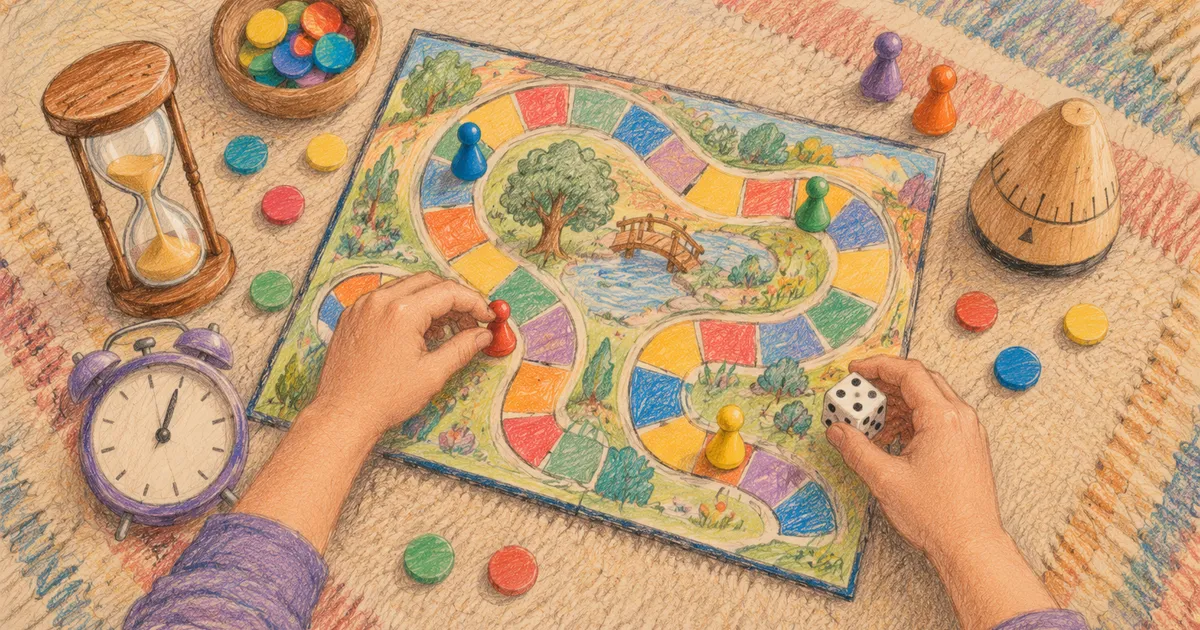
Turn routines into brief practice. Before leaving, ask, “Are we going out?” When checking schoolwork, say, “Let’s go over it.” During a board game, use “Go back two spaces” or “Go ahead.” English phrasal verbs with “go” for kids become easier to retrieve when each serves a family-life purpose.
Try the Action Detective Game
Choose go in, go out, go back, or go on. One person acts without speaking; the other gives a full sentence describing the action. Switch roles after each turn. With an older child, add a second possible meaning; ask which meaning fits the scene.
- Choose three English phrasal verbs with “go” for kids aged six to nine.
- Practise each phrase twice using toys, gestures, and simple household routines.
- Read one familiar picture book; identify every matching go phrase.
- Play a five-minute mime game, taking turns guessing the correct phrase.
- Review yesterday’s phrases at breakfast, then use each one in conversation.
For the rule wording, Wikipedia — English Grammar is a useful reference while the practice examples here stay adapted for children.
Frequently Asked Questions
How Many Phrasal Verbs Should a Child Learn at Once?
Begin with a small group suited to one practice setting. A younger child may practise two contrasting phrases; an older child may manage four to six related phrases. Add new ones once your child understands earlier phrases in a fresh sentence, not merely through original-list repetition.
Should My Child Memorise Every Meaning of Each Phrase?
No. Start with one frequent, useful meaning and secure it through several examples. Multiple meanings are easier to add once the child recognises the phrase’s sound and shape. Teaching every dictionary meaning together can make a familiar phrase seem unpredictable.
Is Translation Helpful for a Multilingual Child?
Quick translation can confirm meaning, especially for older learners, but should not replace context. Ask your child to match the phrase with an action, picture, or short event, then use it in an English sentence. This approach respects your child’s other languages while building direct English phrase–meaning links.
How Often Should Families Practise These Phrases?
Short, repeated practice works well for English phrasal verbs with “go” for kids. Spend two or three minutes on a game, story, or routine several times weekly. Mix familiar and newer phrases, then revisit them in different sentences. If your child pauses or confuses two particles, return to a physical contrast before adding more.
- Start with two contrasting phrases, one meaning apiece.
- Practise each phrase through an action and a complete sentence.
- Review the phrases through a new game, story, or routine later in the week.
If your child needs steady speaking practice, start small — choose a trial lesson.
Stay updated on our latest tips and resources by following us on Instagram LearnLink.