Enough and Plenty of for Kids

“Enough” means sufficient for a need; “plenty of” means more than sufficient. Seven children with seven chairs have enough; with twenty chairs, they have plenty. Enough and Plenty Of: A Practical Grammar Guide for Kids teaches this contrast through rules, examples, and exercises. Children learn sentence position, meaning, and error correction for everyday quantities.
What Children Need to Understand First
Both expressions describe quantity. Enough asks whether the amount meets a need: enough time for a puzzle, water for a walk, or pencils for a group. It need not exceed the need.
Plenty of signals a surplus. “We have plenty of time” or “plenty of apples” means the supply exceeds the need without stating an exact number.
The central idea in Enough and Plenty Of: A Practical Grammar Guide for Kids is simple: enough reaches the required point; plenty of exceeds it. Show four cups for four people, then ten cups.
How the Grammar Works
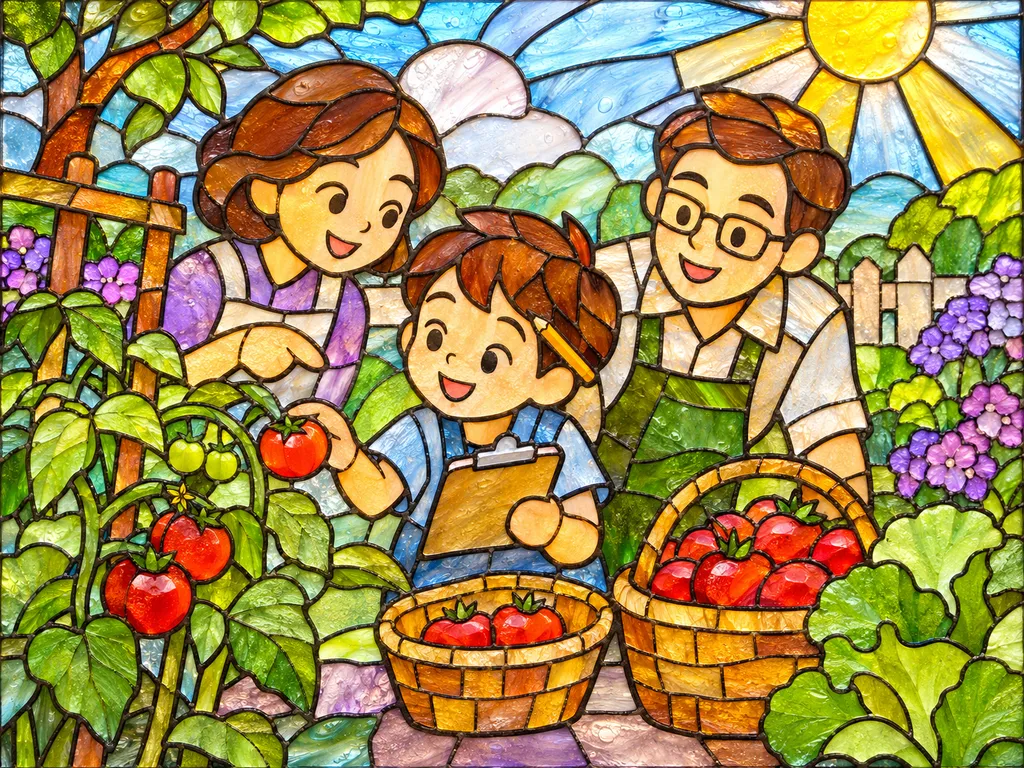
Put enough before nouns: “enough books,” “enough rice,” and “enough space.” It takes plural countable nouns and singular uncountable nouns: books are countable; rice and space are not.
Put enough after adjectives or adverbs: “cool enough,” “low enough,” or “slowly enough.” Avoid “enough cool” and “enough slowly.” Remember: noun after enough, description before enough.
Use plenty of before a noun: “plenty of games,” “plenty of milk,” and “plenty of room.” The of is required. Enough and Plenty Of: A Practical Grammar Guide for Kids explains this frequent, easy-to-correct omission.
Choosing Between “Enough” and “Plenty Of”
A craft needs twelve sheets of paper. Twelve sheets are enough; thirty are plenty. Numbers vary, but enough meets the need and plenty exceeds it.
“Do we have enough time?” checks the requirement. “Do we have plenty of time?” checks for a surplus. For shortages, use not enough: “We do not have enough glue.”
Use this table with Enough and Plenty Of: A Practical Grammar Guide for Kids. Identify the need, then decide whether the amount falls short, meets the target, or exceeds it.
Useful Patterns and Examples
Use enough of before a determiner or pronoun: “enough of the cake,” “enough of our paper,” “enough of these cards,” or “enough of it.” “Enough paper” is general; “enough of the blue paper” specifies a supply.
Either expression can stand alone when the noun is known. Asked, “Do you need more crayons?” a child may answer, “No, I have enough,” or “No, we have plenty.” Do not add of after standalone plenty.
Agreement follows the noun: “Plenty of water is available”; “Plenty of bottles are available.” In our online English lessons, tutors practise the pattern with objects, pictures, and age-suited planning tasks.
Examples for Different Ages
For school-age kids, place three toy animals beside three paper “beds”: “There are enough beds.” Add several beds: “Now there are plenty of beds.” Let the child change quantities and describe each scene.
For school-age kids, ask: “We need six eggs. We have six. Do we have enough?” Change the number to ten and ask whether there are plenty. Include water, sand, time, and space to practise uncountable nouns.
For school-age kids, compare: “We have enough money for the tickets” makes the plan possible; “We have plenty of money for the tickets” leaves some. Enough and Plenty Of: A Practical Grammar Guide for Kids builds sentences and precise conversational choices.
Common Mistakes and How to Correct Them
Correct “The box is enough big” to “The box is big enough”: the adjective comes first. Before nouns, enough comes first: “We have enough boxes.”
Correct “We have plenty books” to “We have plenty of books.” Use plural countable nouns (“plenty of chairs”) and singular uncountable nouns (“plenty of food”); “foods” means types, not food in general.
Plenty of may overstate a minimum. Eight rackets for eight players are enough, not necessarily plenty. With Enough and Plenty Of: A Practical Grammar Guide for Kids, ask: “What is the required amount?” Meaning guides the choice.
Practice Activities
Compare each need with the available quantity, then choose enough, not enough, or plenty of. Read the sentence aloud to check word order.
Choose the Best Expression
1. We need five bowls, and we have five. We have ______ bowls.
2. The trip takes ten minutes, and we have an hour. We have ______ time.
3. Four children need scissors, but there are only two pairs. There are ______ pairs of scissors.
4. The soup can be eaten now. It is cool ______.
Answers: 1. enough; 2. plenty of; 3. not enough; 4. enough.
The next activity rewrites each sentence. More than one answer may work, but the meaning must stay unchanged.
Rewrite Without Changing the Meaning
1. We have more paper than we need. Use plenty of.
2. The bag is too heavy for the child to carry. Use enough.
3. We need four tickets, but we have only three. Use not enough.
Possible answers: 1. We have plenty of paper. 2. The bag is not light enough for the child to carry. 3. We do not have enough tickets.
Choose room items and set a need: two notebooks for two learners, ten pencils for two learners, or one small table for a large project. The child describes and explains each choice.
For the rule wording, Wikipedia — English Grammar is a useful reference while the practice examples here stay adapted for children.
Frequently Asked Questions
What Is the Main Difference Between Enough and Plenty Of?
Enough meets a need; plenty of exceeds it. Six seats for six people are enough; fifteen seats are plenty. The need determines the speaker’s judgment.
Can Enough Be Used with Both Countable and Uncountable Nouns?
Yes. Use it with plural countable nouns: “enough pencils” and “enough tickets.” Use it with uncountable nouns: “enough water,” “enough time,” and “enough space.” A singular countable noun needs a structure such as “a large enough box.”
Why Does Enough Come After an Adjective?
Standard English places it after adjectives: “old enough,” “quiet enough,” and “strong enough.” The quality reaches the required point. Before nouns, the order changes: “enough strength,” “enough quiet time,” and “enough space.”
Is Plenty of Suitable for Questions and Negative Sentences?
It works in questions about surplus: “Do we have plenty of time?” To check a requirement, ask, “Do we have enough time?” For shortages, use not enough: “We do not have enough time.”
How Should My Child Use This Guide for Practice?
Use Enough and Plenty Of: A Practical Grammar Guide for Kids in short rounds. Read one rule, make two examples with familiar objects, and complete one exercise. Later, ask why an amount is insufficient, sufficient, or more than sufficient. An explanation shows understanding.
If your child needs steady speaking practice, start small — choose a trial lesson.
Stay updated on our latest tips and resources by following us on Instagram LearnLink.