Examples of Verbs and Adverbs for Kids

Verbs name actions or states; adverbs explain how, when, where, how often, or to what degree. Examples of Verbs and Adverbs for Kids: A Practical Guide uses sentences children can act out and revise. In “The dog runs quickly,” runs is the verb and quickly the adverb. Identify the action, then replace the detail to test the meaning.
📥 Verb + Adverb Action Lab
Build clear, lively sentences by pairing action words with words that explain how, when, or where actions happen.
Leave your email — we'll send the PDF to your inbox.No spam — the PDF plus one short reminder. Unsubscribe anytime.
What Children Need to Understand About Verbs and Adverbs
A verb drives a sentence. It can show an action, as in “Birds fly,” a state, as in “The room is quiet,” or a feeling, as in “We hope.” Most complete sentences need a verb, even without a visible action.
An adverb adds detail. In “Birds fly south,” south tells where. In “Birds fly slowly,” slowly tells how. In “Birds commonly fly together,” often shows frequency. Adverbs can modify adjectives or other adverbs: “quite cold” and “surprisingly quickly.”
Use two questions with Examples of Verbs and Adverbs for Kids: A Practical Guide: “What is happening or being?” and “What extra detail do we learn?” Ask the child to point to each answer.
How Verbs and Adverbs Work Together
The verb frames the sentence. An adverb sharpens the message, but is optional. “The baby sleeps” is complete. “The baby sleeps peacefully” creates a clearer picture.
Circle the full verb phrase in “She is reading,” “We will travel,” and “They have finished.” Children can treat each group as one verb before studying helping verbs.
This contrast turns Examples of Verbs and Adverbs for Kids: A Practical Guide into a sentence-building tool. Keep the verb and replace the adverb: “She answered politely,” “She answered nervously,” and “She answered immediately.” Each choice changes the meaning.
Rules and Examples Children Can Use
Adverbs of manner typically end in -ly: quietly, carefully, bravely, and slowly. The pattern is adjective plus -ly: careful becomes carefully. Spelling may change: happy becomes happily. Exceptions include fast, hard, well, and often.
Place manner adverbs after the verb or object: “He packed carefully.” Put frequency adverbs before most verbs but after be: “We frequently walk” and “We are usually early.” Time and place can move: “Tomorrow, we leave” or “We leave tomorrow.”
Sort Examples of Verbs and Adverbs for Kids: A Practical Guide by each adverb’s question: quietly answers how, outside where, later when, sometimes how frequently, and almost to what degree.
Representative verb and adverb cards
Verb: “The children run outside.”
Verb: “The baby sleeps upstairs.”
Verb: “I answer the question.”
Verb: “The turtle moves.”
Adverb: “The dog runs quickly.”
Adverb: “The baby sleeps peacefully.”
Adverb: “We regularly read together.”
Adverb: “The children play outside.”
Examples Suited to Different Ages
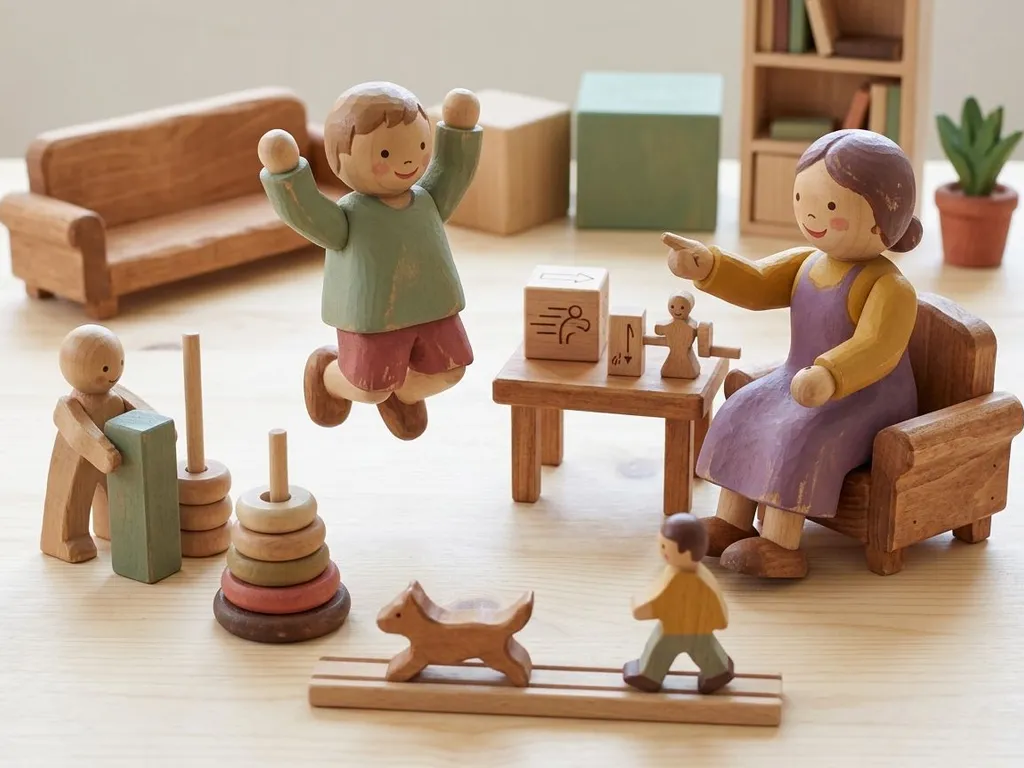
For children aged 4 to 6, start with actions they can show: “Jump high,” “Walk slowly,” and “Clap twice.” Say each sentence, act it out, and change the adverb. “Speak loudly” versus “Speak softly” makes the adverb visible.
Children aged 7 to 9 can mark verbs and adverbs, then replace one word: “The cat moved silently” becomes “The cat moved suddenly.” Older learners can compare “Only Mia answered” with “Mia only answered.” The position of only changes the meaning.
Families can adapt Examples of Verbs and Adverbs for Kids: A Practical Guide for multilingual homes without translating every item. Start with gestures, pictures, and paired examples. LearnLink tutors connect grammar to each child’s age, interests, and speaking level.
Common Mistakes and How to Correct Them
A frequent error is using an adjective instead of an adverb: “He runs quick.” Quick describes a noun in “a quick runner”; the standard verb modifier is “He runs quickly.” Fast is an exception: “a fast runner” and “He runs fast” are correct.
Good and well cause confusion. Use well for performance: “She sings well.” Use good after linking verbs to describe the subject: “The soup smells good.” “The soup smells well” suggests the soup can smell things.
Not every -ly word is an adverb. Friendly, lovely, and lonely are generally adjectives. Context matters: in “We water the plants,” water is a verb; in “Please drink water,” it is a noun. Ask what job the word performs.
Practice Activities for Home or Lessons
Practise for five minutes. Underline the verb, circle the adverb, then act out two versions. Change one word and compare the results.
Reuse one sentence across levels. A younger child can find ran in “The child ran home quickly.” An older learner can classify home as place and quickly as manner.
Find the Verb and Adverb
Identify both words: “The bus arrived early.” “We rarely eat outside.” “The baby slept peacefully.” Answers: arrived—early; eat—rarely/outside; slept—peacefully.
Choose the Clearer Adverb
Choose the correct form: “Please hold the glass (careful/carefully).” “The team played (good/well).” “The turtle moved (slow/slowly).” Answers: carefully, well, slowly.
Change the Meaning
Add adverbs to “The door closed” to show manner, time, and frequency: “The door closed quietly,” “The door closed later,” and “The door sometimes closed.” Ask what changed.
- Try a five-minute verb hunt with children aged six to eight.
- Practice matching ten action verbs with adverbs from one familiar picture book.
- Use charades to act out six verb-adverb pairs after dinner.
- Ask your child to rewrite four plain sentences with vivid adverbs.
- Create a weekly word wall, adding three verbs and three adverbs.
For the rule wording, Wikipedia — English Grammar is a useful reference while the practice examples here stay adapted for children.
Frequently Asked Questions
What Is the Easiest Way to Explain Verbs and Adverbs?
Call the verb the action-or-being word and the adverb the detail word. Compare “The dog barked” with “The dog barked loudly.” Ask what happened and what information loudly adds. Examples of Verbs and Adverbs for Kids: A Practical Guide works through saying, changing, and acting out sentences.
Does Every Adverb End in -Ly?
No. Manner adverbs generally end in -ly, but fast, hard, often, never, here, and tomorrow do not. Some -ly words, including friendly and lovely, are adjectives. Teach children to check the word’s role, not only its ending.
Can One Word Be Both a Verb and Another Part of Speech?
Yes. English gives words different jobs. Play is a verb in “The children play outside” but a noun in “We watched a play.” Fast is an adjective in “a fast train” and an adverb in “The train moved fast.” Position and purpose reveal the part of speech.
Should a 5-year-old Learn Grammar Terms?
A 5-year-old can learn verb and adverb, but accurate use matters more than formal definitions. Begin with movement, pictures, and spoken contrasts. A child who changes “walk” to “walk slowly” and explains slowly already understands the core idea.
How Can a Multilingual Child Practise Without Translating Every Sentence?
Link each English sentence to an action, object, picture, or situation. Show “open the box slowly,” then repeat it quickly. Context builds meaning without making translation the only route. If two languages handle adverbs differently, explain the difference without treating either language as wrong.
- Start with one short sentence and identify its verb.
- Practice replacing the adverb while keeping the verb unchanged.
- Try acting out each version and explain how the meaning changes.
Want to see how these ideas work in a real lesson — try a LearnLink trial lesson.
Stay updated on our latest tips and resources by following us on Instagram LearnLink.