Adverbs of Manner for Kids Made Easy
An adverb of manner tells us how an action happens: a child may speak softly, run quickly, or wait patiently. Adverbs of Manner for Kids become easier when children connect words to actions instead of memorising rules. Most add -ly to an adjective, while well, fast, and hard follow different patterns. This guide covers formation, word order, mistakes, age-based activities, and short exercises.
📥 Adverbs of Manner Practice Cards
A printable word bank and weekly tracker for learning how actions happen
Leave your email — we'll send the PDF to your inbox.No spam — the PDF plus one short reminder. Unsubscribe anytime.
Why Manner Words Matter
Compare “The baby walked” with “The baby walked slowly.” The first states what happened; the second shows the action. Manner adverbs strengthen stories and help children describe games, school tasks, feelings, and routines. For parents, Adverbs of Manner for Kids Made Easy works best when practice is short, visual, and repeated every week.
Adverbs of Manner for Kids support accurate speech. A child may say, “She writes careful.” Learning carefully fixes the sentence: “She writes carefully.”
For children, a simple “how?” check makes the grammar visible. Give a base sentence such as “The dog barked,” then ask, “How did it bark?” Children can choose loudly, nervously, or playfully and notice how each word changes the picture. Try three sentences at a time: say the action, add a manner word, and act out the difference.
A common mistake is placing an adjective after the verb: “He spoke quiet” or “They worked quick.” Use a two-column sort labeled “describes a person or thing” and “describes an action.” Put quiet and quick in the first column, then quietly and quickly in the second. Remind learners that many manner adverbs add -ly, but words such as fast, hard, and well do not follow that pattern. Short oral contrasts—“a careful painter” versus “paint carefully”—help children connect meaning, form, and sentence position.
How to Form an Adverb of Manner
Add -ly to most adjectives: quiet becomes quietly, and slow becomes slowly. “What is the person like?” requires an adjective; “How does the person act?” requires an adverb.
Spellings can change. After a consonant, final y changes to i before -ly: happy becomes happily. Words ending in -le often lose the final e: gentle becomes gently.
Teach Adverbs of Manner for Kids as patterns plus key exceptions. Good becomes well; fast and hard stay unchanged. An -ly ending does not guarantee an adverb: friendly, lovely, and lively are adjectives.
Where the Adverb Goes in a Sentence
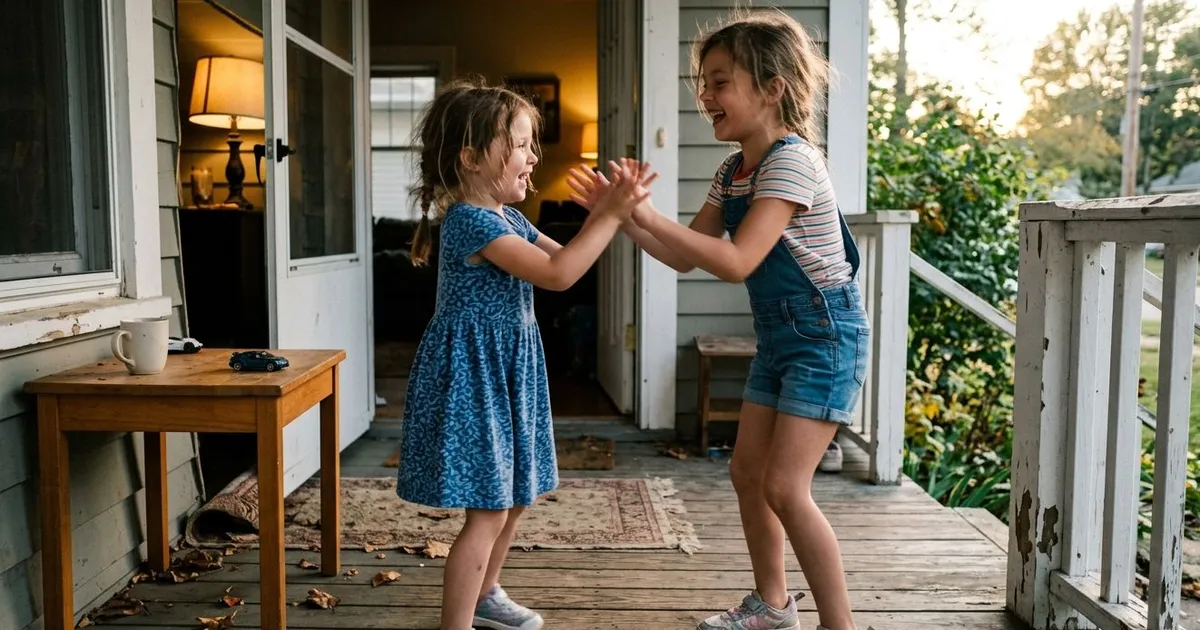
Start with verb plus adverb: “The dog barked loudly.” With an object, put the adverb after it: “She opened the box carefully.” “She opened carefully the box” sounds unnatural in everyday English.
An adverb can precede the main verb for emphasis: “He quietly closed the door.” Both positions work, but emphasis may shift. Children should practise the end position first.
Do not use a manner adverb after a linking verb if the word describes the subject. We say, “The soup smells wonderful” and “The music sounds beautiful.” Both adjectives describe the subject, not an action.
Examples and Activities for Different Ages
Teach through movement. Say, “Walk slowly,” “Clap loudly,” or “Close the book gently,” and let the child act. Then swap roles: the child commands, and the adult follows.
For school-age kids, use sentence pairs. Begin with “The bird sang,” then ask how. Answers might include sweetly, loudly, or beautifully. Ask the child what picture each answer creates.
Older learners can compare shades of meaning: quietly, secretly, and silently describe different actions. Across LearnLink lessons, our tutors use such words in dialogue, stories, and role-play, linking grammar to meaning.
For school-age kids, try a three-card game. Put an action card, such as jump or whisper, beside two adverb cards. The child performs the action both ways, then completes two sentences: “I jumped quickly” and “I jumped clumsily.” After four rounds, ask the child to choose the adverb that best matches a picture and explain the choice.
For school-age kids, use a short “adverb detective” paragraph containing six verbs and four adverbs. Learners underline each verb, circle the word that tells how the action happened, and draw an arrow between the pair. Include one distractor, such as friendly, to address a common mistake: children may assume that every word ending in -ly is an adverb. Finish with a two-minute edit in which they replace a weak adverb like nicely with a more precise choice, then read both versions aloud to compare meaning and tone.
Common Mistakes and Simple Corrections
Children may use an adjective for an action: “He answered polite.” Ask, “How did he answer?” Correct it to “He answered politely.” Keep the adjective for a person or thing: “His answer was polite.”
Children may overapply -ly, producing fastly or hardly. The manner forms are fast and hard: “She ran fast” and “He worked hard.” Hardly means “almost not”: “We could hardly hear the speaker.”
Another error doubles the ending: carefulfully. Add one ending to the adjective: careful plus -ly gives carefully. Review short families such as quiet/quietly, safe/safely, and angry/angrily.
Practice with Actions and Sentences
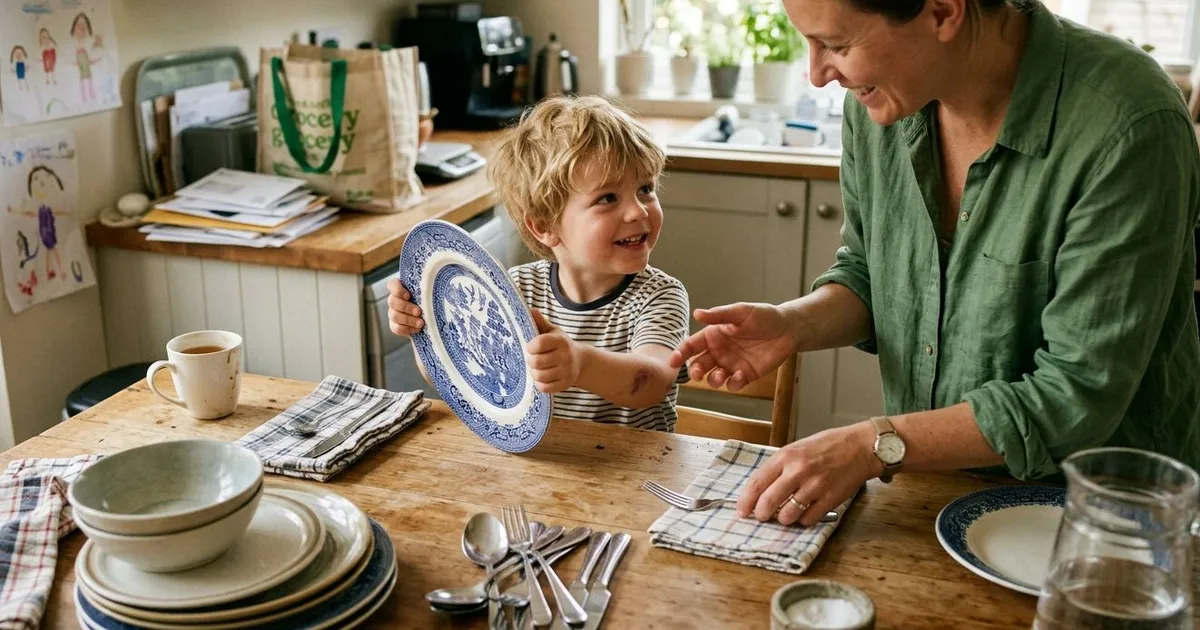
Practice Adverbs of Manner for Kids in short rounds. Let the child say the answer, write it, then read the sentence. The sequence connects meaning, sound, spelling, and grammar.
Choose the Correct Word
1. Please carry the glass careful/carefully.
2. The baby slept peaceful/peacefully.
3. Our team played good/well.
4. The rabbit ran fast/fastly.
5. She smiled happy/happily.
6. He completed the puzzle easy/easily.
Change the Adjective
Turn the adjective in brackets into an adverb.
1. The class listened ______. (quiet)
2. Put the toy down ______. (gentle)
3. The child waited ______. (patient)
4. They greeted us ______. (cheerful)
5. The rain fell ______. (heavy)
Build a Fuller Sentence
Add a suitable manner adverb to each sentence. More than one answer may work.
1. The cat climbed the tree ______.
2. The student read the poem ______.
3. Please speak ______ in the library.
4. The goalkeeper caught the ball ______.
First-block answers: carefully, peacefully, well, fast, happily, and easily. Second-block answers: quietly, gently, patiently, cheerfully, and heavily. For the final block, accept any grammatically correct choice that fits, then ask the child to explain it.
For the rule wording, Wikipedia — English Grammar is a useful reference while the practice examples here stay adapted for children.
Frequently Asked Questions
How Can I Explain a Manner Adverb to a 5-year-old?
Use actions, not a formal definition. Walk quickly, then slowly, and ask what changed. Both actions are walking; the extra word explains how. Adverbs of Manner for Kids stick when a child can see, hear, or perform the difference.
Does Every Manner Adverb End in -Ly?
No. Examples ending in -ly include carefully, softly, and politely. Others match the adjective, including fast and hard. The irregular pair good/well needs separate practice. Teach exceptions through complete sentences.
What Is the Difference Between an Adjective and an Adverb?
An adjective describes a person, place, animal, or thing: “The careful child checked the answer.” A manner adverb describes an action: “The child checked the answer carefully.” If the word describes the child, use the adjective; if it describes checking, use the adverb.
Where Should My Child Put the Adverb?
Start after the verb or its object: “They waited patiently” and “She packed her bag carefully.” An adverb can precede the main verb: “She carefully packed her bag.” Teach one reliable pattern before comparing other natural positions.
How Often Should a Child Practise These Words?
Short, repeated practice beats a long worksheet. Use two or three words during meals, walks, or stories: stir slowly, step carefully, answer politely. Review old words while adding one pair. Older children can edit their writing and underline the verb each adverb describes.
If your child needs steady speaking practice, start small — choose a trial lesson.
Stay updated on our latest tips and resources by following us on Instagram LearnLink.