Friendship Words in English for Kids
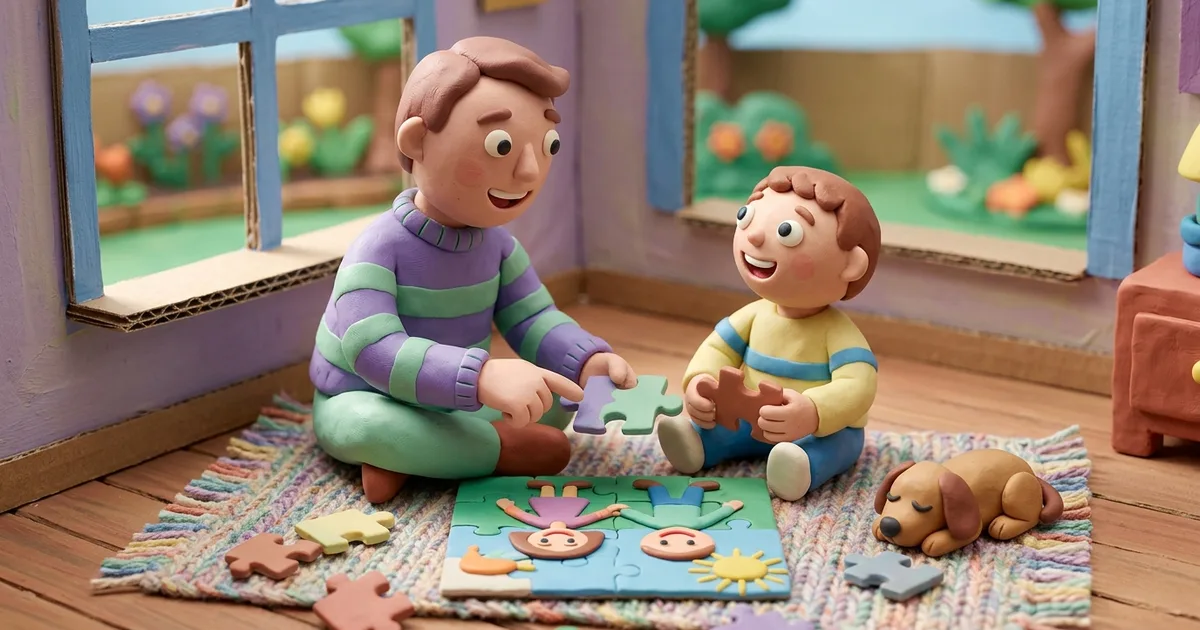
Friendship words are nouns, verbs, adjectives, and short sentences children use to join play, cooperate, show care, and resolve disagreements. Friendship Words in English for Kids: Vocabulary and Activities teaches English through social situations. Start with friend, kind, share, help, listen, and “Can I join you?” Add fairness, trust, feelings, and boundaries later. Children need brief sets, direct meanings, models to copy, and relaxed practice.
📥 Friendship Words in English for Kids
Speak kindly, solve small problems, and build strong friendships
Leave your email — we'll send the PDF to your inbox.No spam — the PDF plus one short reminder. Unsubscribe anytime.
Core Words and Phrases for Friendship
Group friendship language by purpose so your child can select a phrase for joining a game, taking a turn, checking on someone, or naming a problem.
For younger children, introduce a few items and repeat them. Older learners can distinguish a friend, close friend, and classmate. Use Friendship Words in English for Kids: Vocabulary and Activities as a speaking bank, not a spelling test.
Putting the Language into Context
A lesson built around Friendship Words in English for Kids: Vocabulary and Activities should move quickly from naming to speaking. Instead of asking only, “What does include mean?”, present a situation: “One child is watching a game but has not been invited. What could you say?” The child might answer, “Would you like to play with us?”
Short exchanges connect meaning, tone, and grammar: “Can I use the blue pencil?” “Yes, but can I have it back afterwards?” “Of course.” Another example is: “That hurt my feelings.” “I’m sorry. I didn’t mean to upset you.” These lines prepare children for real conversations without a long script.
Practise respectful disagreement alongside cheerful play: “I have a different idea,” “Can we choose together?”, and “Let’s ask the group.” Friendship does not require constant agreement. It requires respectful speech, listening, and accepting a firm boundary.
Activities for Different Ages
School-age kids: Use toy figures, pictures, and movement. Act out one toy joining a game or finding a lost item. Model “Can I help?” and let your child repeat or complete it. Switch roles to practise asking and responding.
School-age kids: Create situation cards: two children want the same book, someone is alone at break time, or a game ends in an argument. Your child chooses a phrase and explains why it fits. Replay the scene with another ending to build flexible language.
School-age kids: Practise group-project problems, messages, and subtle disagreements. Replace abrupt lines with respectful ones: “Move” can become “Could you give me some space, please?” Discuss how tone changes meaning and why online messages need extra care. If a situation involves threats, repeated exclusion, or pressure, friendship vocabulary is insufficient; your child should speak with a trusted adult.
Practice That Turns Words into Habits
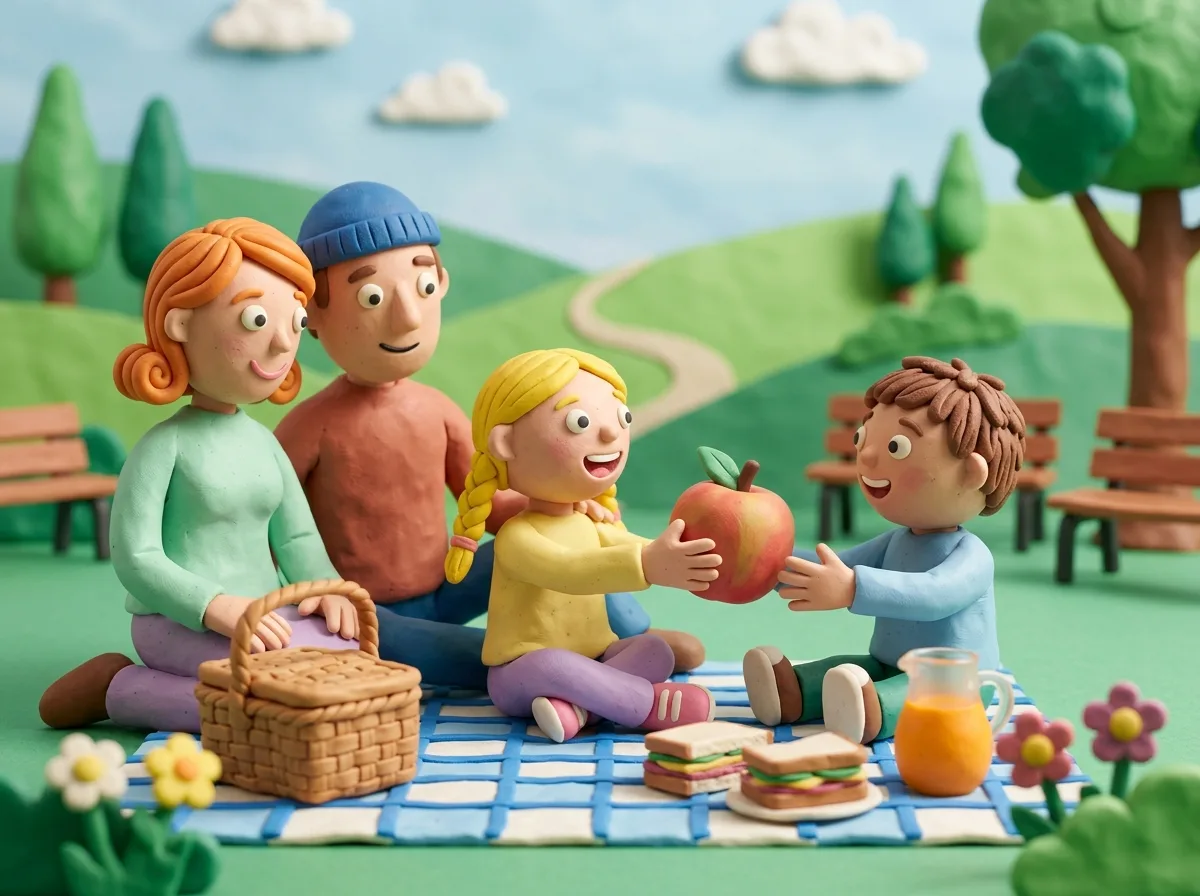
Connect Friendship Words in English for Kids: Vocabulary and Activities to predictable moments. Follow a notice–choose–say routine: identify the social need, select a fitting phrase, and say it calmly. The goal is accessible language, not perfect performance.
Choose the Right Phrase
Read each situation and ask what your child could say.
You want to enter a game already in progress. — “Can I join you?”
A friend looks upset. — “Are you okay?”
You both want the same toy or device. — “Let’s take turns.”
You spoke sharply during an argument. — “I’m sorry. Can we try again?”
Other respectful answers may be correct.
Repeat phrases across days in changing settings. A line practised with toys can later support a family game or group task. If your child speaks other languages, compare how each expresses the same social purpose. Across LearnLink lessons with our tutors, we value the meaning a child knows and help shape a natural English sentence.
Common Word-choice and Grammar Mistakes
Errors often come from patterns in another language. Recast a phrase without stopping the conversation. The table covers frequent points of confusion.
If your child says, “I am friend with him,” reply, “Yes, you are friends with him,” then continue. A brief recast supplies the correct pattern without turning conversation into a drill. Do not pressure children to call one person a best friend; friend, close friend, and school friend may describe their relationships better.
- Practice choosing “friend” or “friends” with five picture cards after dinner.
- Use two storybook pages to spot “is” and “are” mistakes together.
- Ask your six-year-old to correct three playful friendship sentences aloud.
- Model “kind to” and “play with” during a ten-minute pretend game.
- Review Friendship Words in English for Kids: Vocabulary and Activities before bedtime.
When a word has several meanings or pronunciations, Cambridge Dictionary is a useful check before turning it into child-friendly examples.
Frequently Asked Questions
These answers help families set a practical pace and address difficulties.
How Many Friendship Words Should My Child Learn at One Time?
For Friendship Words in English for Kids: Vocabulary and Activities, start with a small group your child can use that week. Four to six items may suit a new speaker; an older or more confident learner can handle more. Add language after your child recognises the current words and uses them with a prompt.
Should I Translate Friendship Words into My Child’s Other Language?
Translation quickly explains words such as trust, fair, or forgive. Follow it with a picture, action, or short English situation. Teach both the meaning and when the word fits, including a respectful tone.
What If My Child Knows the Words but Will Not Say Them?
Lower the pressure to produce an unsupported sentence. Offer two choices, begin the line, or let your child speak through a toy. Recognition demands less than spontaneous speech. Model the phrase and wait until your child is ready.
How Can Friendship Language Help During Disagreements?
Teach phrases for naming the problem, setting a boundary, and suggesting a next step: “I felt left out,” “Please stop,” and “Can we choose together?” Practise while everyone is calm. Your child can seek adult help when conflict feels unsafe, repeated, or too difficult to solve alone.
Start your child's English journey today — book a trial lesson with LearnLink.
Stay updated on our latest tips and resources by following us on Instagram LearnLink.