Future Continuous Tense for Kids
The future continuous uses subject + will be + verb ending in -ing to mark an action in progress at a specified future time. In “At seven o’clock, we will be eating dinner,” dinner is underway at seven. On a timeline, mark now and a future time, then draw the activity across that point. Ask the child to create three sentences about tomorrow’s school, play, travel, or family routine. Future Continuous Tense for Kids: Rules, Examples, and a Practical Guide covers this sequence through rules, examples, and practice.
📥 Future Continuous Tense for Kids
Build the form, choose the right future tense, and correct common mistakes.
Leave your email — we'll send the PDF to your inbox.No spam — the PDF plus one short reminder. Unsubscribe anytime.
What Children Need to Understand First
Ask your child to picture tomorrow at ten, Saturday afternoon, or this time next week. What will be happening then? “Tomorrow at ten, I will be having a swimming lesson” places the activity around that future point.
Draw a timeline with now, a future time, and an activity crossing the future point. The action may start before that time and end afterward. At 8:00, for example, a child may already be travelling to school and continue after 8:00.
Future Continuous Tense for Kids: Rules, Examples, and a Practical Guide works best when children picture the action. Younger children can act out “I will be sleeping” or “We will be playing.” Older learners can compare timelines and explain the tense choice.
How the Form Works
Every subject follows the same structure: subject + will be + verb ending in -ing. No third-person ending appears: “I will be reading,” “she will be reading,” and “they will be reading.” The fixed pattern is easier than many present-tense forms.
In Future Continuous Tense for Kids: Rules, Examples, and a Practical Guide, the core patterns are affirmative statements, negative statements, and questions. Speech often uses I’ll, you’ll, and won’t, but teach the full form first so every structural part remains visible.
Rules and Examples from Daily Life
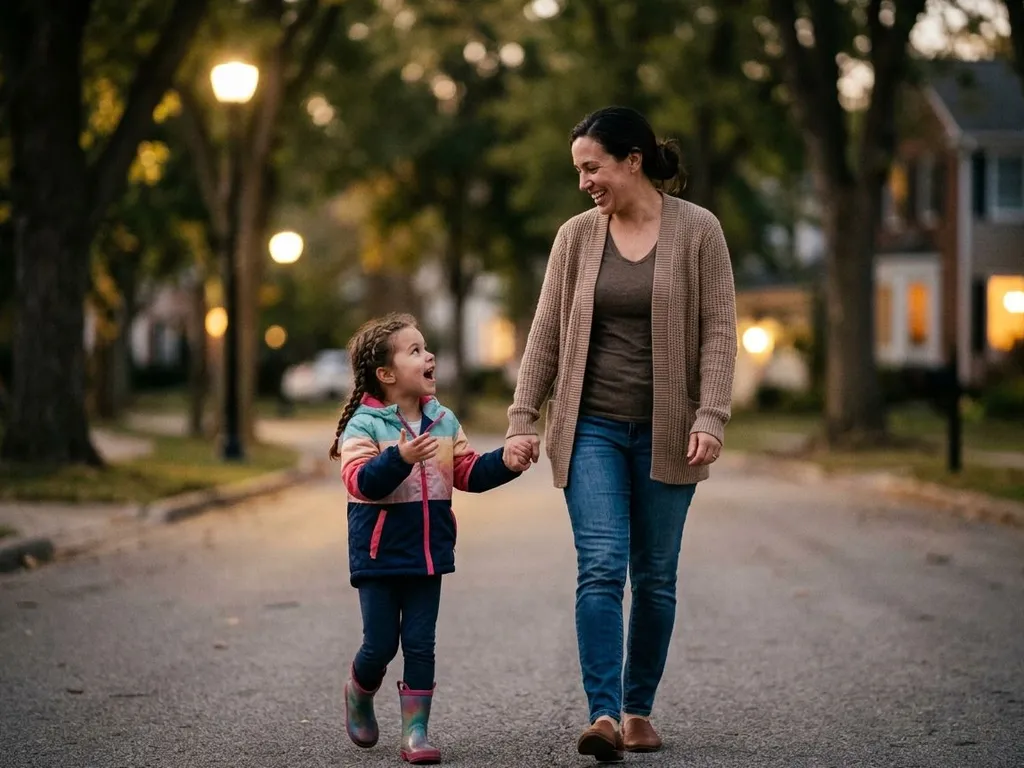
Use the future continuous for an action underway at a stated future time. “At nine tomorrow, I will be taking a test” focuses on the activity at nine, not its boundaries. Time markers include this time tomorrow, at noon on Saturday, all afternoon, and when you arrive.
The tense can show two actions continuing together: “While you are doing your homework, your brother will be practising the guitar.” Across LearnLink lessons, our tutors help children build confident, everyday English step by step. A polite question asks about plans without pressure: “Will you be using the tablet this evening?”
Future Continuous Tense for Kids: Rules, Examples, and a Practical Guide requires accurate -ing spelling. Most verbs add -ing: play–playing. A final silent e disappears: write–writing. Short verbs may double the last consonant: sit–sitting. Verbs ending in ie change it to y: lie–lying.
Choosing Between Future Forms
Choose the future form by identifying the speaker’s focus. Use future simple for an instant decision, present continuous for an arrangement, future perfect for a completed result, and future continuous for an action underway at a specified future time.
Compare “I will read after dinner” with “I will be reading at eight.” The first presents the action as a whole; the second enters its middle. “I am meeting my cousin at eight” signals an arrangement. “I will be meeting my cousin at eight” presents the meeting as part of the expected situation.
Common Mistakes and How to Correct Them
The main error is omitting be: “She will studying” instead of “She will be studying.” Learners may use the base verb after be: “They will be play.” Have the child tap each part—will, be, playing—then repeat the full sentence naturally.
Learners may change be to match the subject: “He will is sleeping.” After will, the verb keeps its base form, so will be cannot become will am, will is, or will are. In questions, move will before the subject: “Will she be sleeping?”
Avoid the tense with verbs that describe states instead of ongoing actions. “At six, I will be knowing the answer” sounds unnatural; “By six, I will know the answer” works. State verbs include know, believe, need, own, and understand. Teach these exceptions gradually.
Practice Activities for Home or Lessons
Use three stages: recognition, controlled sentence building, and personal speech. A younger child can answer aloud while an adult writes. Older learners can work independently and identify the future time that places each action in progress.
Fill in the Missing Words
Complete each sentence with the future continuous form of the verb.
1. At eight tomorrow, I ________ (eat) breakfast.
2. This time next week, we ________ (visit) our cousins.
3. She ________ (not use) the computer after dinner.
4. ________ they ________ (play) outside at four?
5. What ________ you ________ (do) on Saturday morning?
6. The baby ________ (sleep) when we arrive.
Answers: 1. will be eating; 2. will be visiting; 3. will not be using; 4. Will, be playing; 5. will, be doing; 6. will be sleeping.
Build a Future-day Plan
Choose three times tomorrow and write one true or likely sentence for each. Turn one sentence into a negative and another into a question. Example: “At 10:00, I will be learning science.” Negative: “At 10:00, I will not be watching television.” Question: “Will you be eating lunch at 12:30?” Each answer needs will be and an -ing verb.
End with a guessing game. One person chooses a future time and mimes an activity. The other asks, “Will you be swimming?” or “Will you be drawing?” The performer answers with a full sentence, adding repetition without a drill.
How Parents Can Support Long-Term Use
Connect practice to plans your child can picture. Before bed, choose one time from tomorrow’s schedule and ask, “What will you be doing then?” Before a journey, discuss each family member’s activity at departure, halfway through the trip, and on arrival. Two or three accurate sentences complete one session.
Correct one feature at a time. If the child says “will be play,” recast it as “Yes, you will be playing,” then request one repetition. In LearnLink lessons, tutors adapt speaking tasks for children aged 4–15. At home, model the full form, allow thinking time, and ask one follow-up question.
Repeat the tense for five minutes after a two- or three-day interval. Practise one statement, one negative, and one question. Spaced practice connects the written rule with spontaneous speech.
For the rule wording, Wikipedia — English Grammar is a useful reference while the practice examples here stay adapted for children.
Frequently Asked Questions
At What Age Can a Child Learn the Future Continuous?
Children can understand the meaning before learning its grammar label. A 5-year-old may grasp “At bedtime, you will be sleeping” through pictures and routines. Older children can study the structure, spelling rules, and contrasts with other future forms. Readiness depends on the child’s grasp of time and sentence building, not a fixed age.
How Is the Future Continuous Different from the Future Simple?
The future simple presents a decision, prediction, or action as a whole: “We will watch a film.” The future continuous shows an action underway at a future point: “At eight, we will be watching a film.” A precise time highlights the difference, but the speaker’s focus determines the form.
Does Every Future Continuous Sentence Need a Time Phrase?
No. Conversation may establish the future time. If a parent asks, “What will you be doing while we prepare dinner?”, a child can answer, “I will be finishing my homework.” The question supplies the time frame. During early practice, “at six tomorrow” helps connect the form with its meaning.
Which Verbs Should Not Normally Use This Tense?
State verbs such as know, believe, own, need, and understand rarely appear in continuous forms. Say “I will know the result tomorrow,” not “I will be knowing the result.” A verb’s meaning matters: “I will be thinking about the puzzle” describes an active mental process.
How Can My Child Remember the Word Order?
Future Continuous Tense for Kids: Rules, Examples, and a Practical Guide uses a three-part rhythm: will + be + verb-ing. Ask your child to tap three cards while saying “will,” “be,” and “reading.” For questions, move only will to the front: “Will you be reading?” Keep the cards visible until the pattern becomes automatic.
If your child needs steady speaking practice, start small — choose a trial lesson.
Stay updated on our latest tips and resources by following us on Instagram LearnLink.