Games and Activities to Improve Kids' Vocabulary
Children build vocabulary faster when they hear a new word, use it in action, and meet it again across days. Games and Activities to Improve Kids' Vocabulary: A Practical Guide for Families shows how to do that at home without turning family time into a test. The aim: connect words with things children can see, touch, choose, draw, move, sort, and say. For ages 4-15, vocabulary practice works when it is short, active, and repeated. A five-minute breakfast game can beat a long list copied once and forgotten.
📥 Vocabulary Games for Kids
A printable practice sheet for learning, using, and reviewing new words through family games
Leave your email — we'll send the PDF to your inbox.No spam — the PDF plus one short reminder. Unsubscribe anytime.
What Families Need to Know
Vocabulary grows in layers. A child may understand jacket before saying it, say jacket before using zip up your jacket, and use the phrase at home before using it in a lesson. Look for steady use, not perfect recall on day one.
Games and Activities to Improve Kids' Vocabulary: A Practical Guide for Families works when parents choose real-life words first: food, clothes, rooms, toys, feelings, school objects, animals, weather, actions, and opinion words such as funny, scary, easy, or boring.
For multilingual children, comparison helps. If your child says, “This is like the word in Spanish,” or “We say it differently in Hebrew,” accept the link, then return to a short English phrase.
How to Use Games at Home
Keep the word set small. For younger school-age kids, use 4-6 words in one game. For more confident learners, use 6-10 words. Older children can handle 10-15 words when the task has one theme. Themed lists beat mixed lists.
Use a pattern: hear, point, say, choose, and use. A child hears spoon, points to a spoon, says the word, chooses the spoon from three objects, then uses it in a phrase: I need a spoon. Games and Activities to Improve Kids' Vocabulary: A Practical Guide for Families should feel like guided play, not a spelling exam.
Stop while your child is still willing. A strong five-minute round beats a tired twenty-minute round. End with one word your child can use well.
Examples by Age
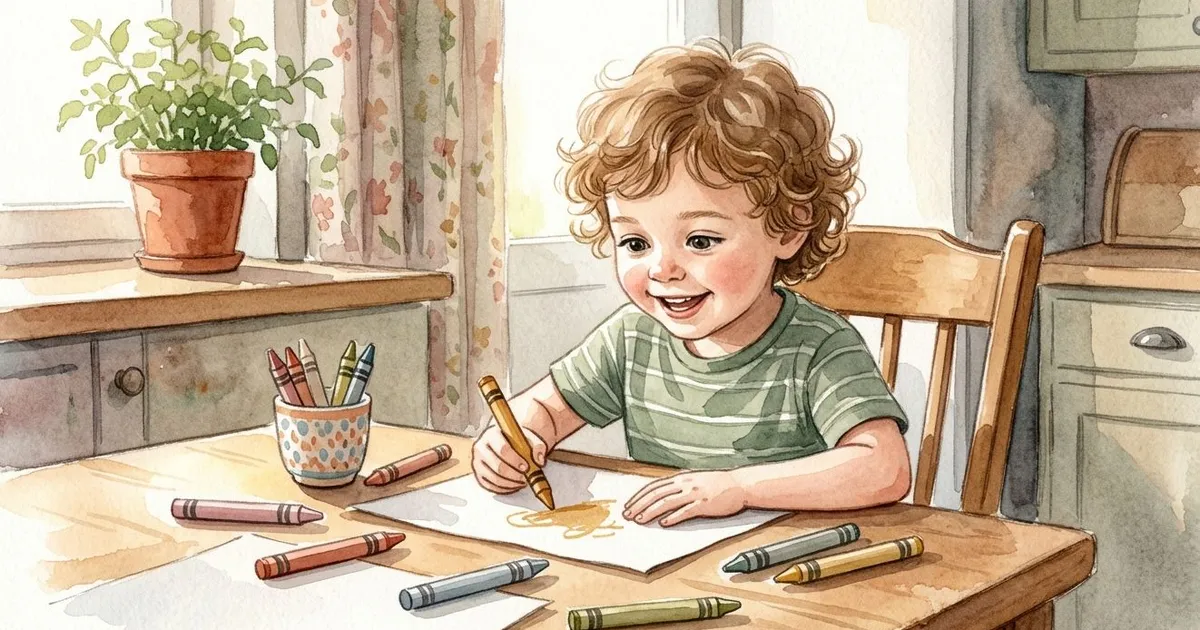
school-age kids need concrete words and movement. Try colors with toys, animal words with sounds, food words during snack time, and actions such as jump, sit, open, wash, and find. At this age, children need to see the word and do something with it.
school-age kids can group words and build short sentences. They can sort clothes by season, food by taste, animals by habitat, or school objects by use. Across LearnLink lessons, our tutors often move from single words to speaking frames such as I can see., I would like., and It is bigger than..
school-age kids need vocabulary for explaining, comparing, and giving opinions. Use words for hobbies, technology, books, travel, health, friendship, and school life. Older learners can keep a personal vocabulary with three columns: word, meaning in English, and one true sentence.
Practical Activities for Using New Words
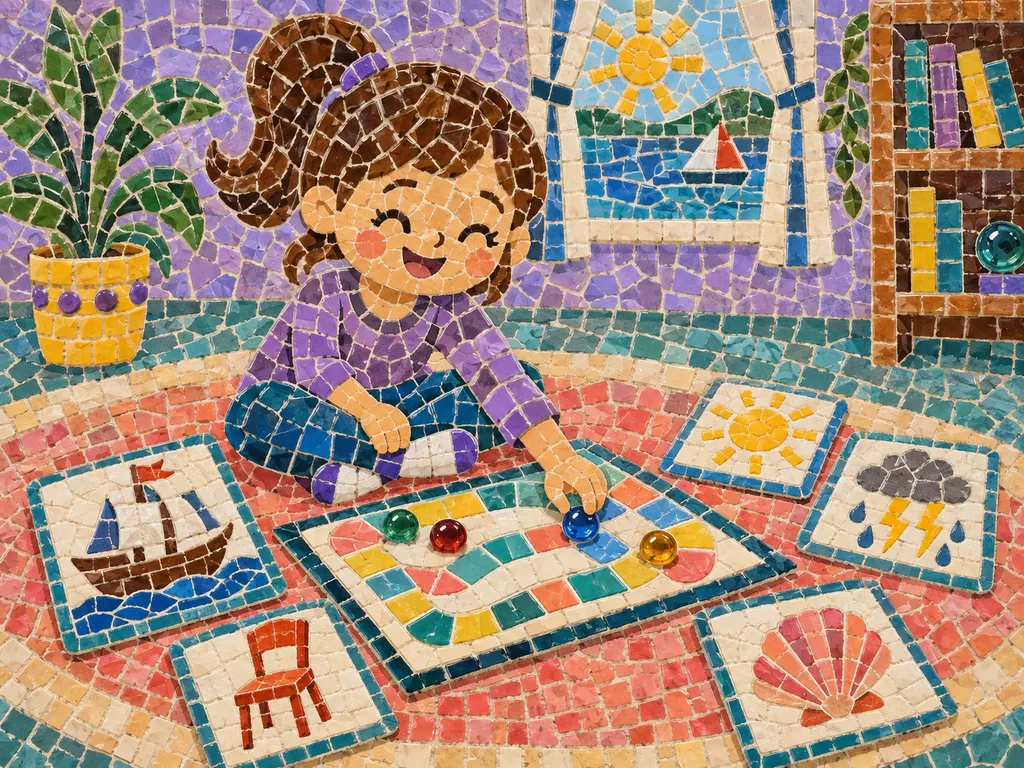
Object hunt: Place five objects on a table or around the room. Say, “Find the towel,” “Touch the blue cup,” or “Bring me the small book.” Younger children can point. Older children can answer: Here is the small book.
Odd one out: Give four words, such as apple, banana, carrot, chair. Ask which word does not belong and why. A younger child may say, “Chair is not food.” An older child can explain: A chair is furniture, but the others are things we eat.
Word to sentence: Say or write one word, then ask for a sentence. For rainy, a 6-year-old might say, It is rainy. A 12-year-old might say, I take an umbrella when it is rainy. Games and Activities to Improve Kids' Vocabulary: A Practical Guide for Families should move from naming to using.
Family Word Bag
Put 8-12 word cards in a small bag. Each person takes one card, says the word, and uses it in a real-life sentence. If the word is tired, your child might say, I am tired after football. Put hard cards back for another round later in the week.
I need a spoon for soup.
It is rainy today.
She is worried about the test.
The soup is too salty.
This app is useful for homework.
I felt relieved after the game.
Choosing the Right Activity
The activity depends on the word type. Nouns work with pictures and objects. Verbs need movement. Feelings need faces, stories, and real situations. Opinion words need choices: Which game is more exciting? Which food is too sweet?
Use this table for a short home session. It matches the task to the vocabulary.
Making New Words Stick
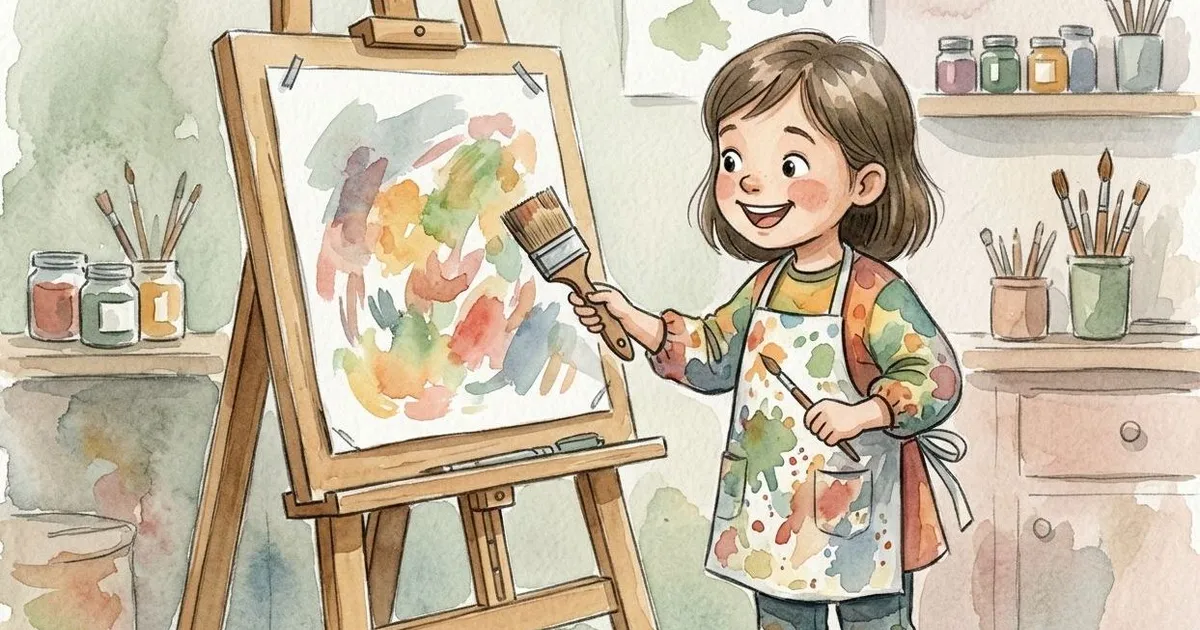
Children remember words when they meet them again in a new setting. Use the same word on different days: in a game, in a book, at a meal, on a walk, and in a short message or drawing. Keep repetition natural.
Games and Activities to Improve Kids' Vocabulary: A Practical Guide for Families can include quick review. At the end of the week, choose five words and ask your child to sort them, draw them, act them, or place them in a sentence. If a word is forgotten, teach it again. Forgetting is part of learning.
- Start with 4-6 useful words from one theme.
- Practice each word through hearing, pointing, saying, choosing, and using.
- Review the same words later in the week with drawing, sorting, acting, or sentence building.
For the rule wording, British Council LearnEnglish Kids is a useful reference while the practice examples here stay adapted for children.
Frequently Asked Questions
How Many New English Words Should My Child Learn at Once?
For a young child, 4-6 new words are enough. Children often manage 6-10 words when the words share a theme. Older children may learn more, but only if they use the words in sentences. A short, used list beats a long list your child cannot say or understand in context.
Should We Translate Every New Word into Our Home Language?
Translation helps, especially for first-time online learners and multilingual families. Use it lightly. Give the home-language meaning when needed, then return to English with a picture, action, or sentence. For example: scarf means this item, and we say I wear a scarf when it is cold. The English phrase matters most.
What If My Child Knows a Word but Will Not Say It?
Understanding often comes before speaking. Let your child point, choose, match, or act first. Then offer a speaking frame: I see., I want., It is.. Do not force a long answer. Games and Activities to Improve Kids' Vocabulary: A Practical Guide for Families should lower pressure so speech can grow.
Are Vocabulary Games Useful for Teenagers Too?
Yes, but games should feel age-appropriate. Teenagers usually prefer challenge, choice, and real topics. Try quick debate cards, word ranking, taboo-style description games, or sentence upgrades. Instead of naming happy, they can compare pleased, proud, and relieved in real situations.
Start your child's English journey today — book a trial lesson with LearnLink.
Stay updated on our latest tips and resources by following us on Instagram LearnLink.