Household Chores in English for Kids
Household chores are everyday jobs that keep a home clean and safe: wash, sweep, fold, tidy, cook, and put away. Learning household chores in english for kids gives children words they can hear, say, and act out at home. The meaning is visible. A child can touch the broom, carry the plate, or match socks while saying the phrase. For parents, chores create short practice moments: two minutes before dinner, five minutes after play, or one weekend job.
📥 Household Chores in English for Kids
Practical chore words, speaking patterns, activities, and a weekly practice tracker
Leave your email — we'll send the PDF to your inbox.No spam — the PDF plus one short reminder. Unsubscribe anytime.
Core Words and Phrases
Start with verbs, because children can move while they learn. Core chore verbs are: clean, tidy, wash, dry, sweep, mop, dust, fold, sort, put away, take out, set, clear, feed, water, and make. These words fit homes across cultures, even when tools or routines differ.
Add short noun phrases: the dining area, the dishes, the floor, the bed, the clothes, the toys, the books, the trash, the recycling, the plants, the pet bowl, the laundry basket, the sink, the shelf, and the cupboard. For younger children, keep phrases to two or three words: “fold socks,” “wipe the surface,” “tidy toys.” Older children can use full sentences: “I need to empty the dishwasher before lunch.”
When teaching household chores in english for kids, use natural chunks. Say “make the bed,” not “do the bed.” Say “set the table” before a meal and “clear the dishes” after a meal. Say “take out the trash” or “take out the rubbish,” depending on the English variety your family uses.
Chore Vocabulary by Room
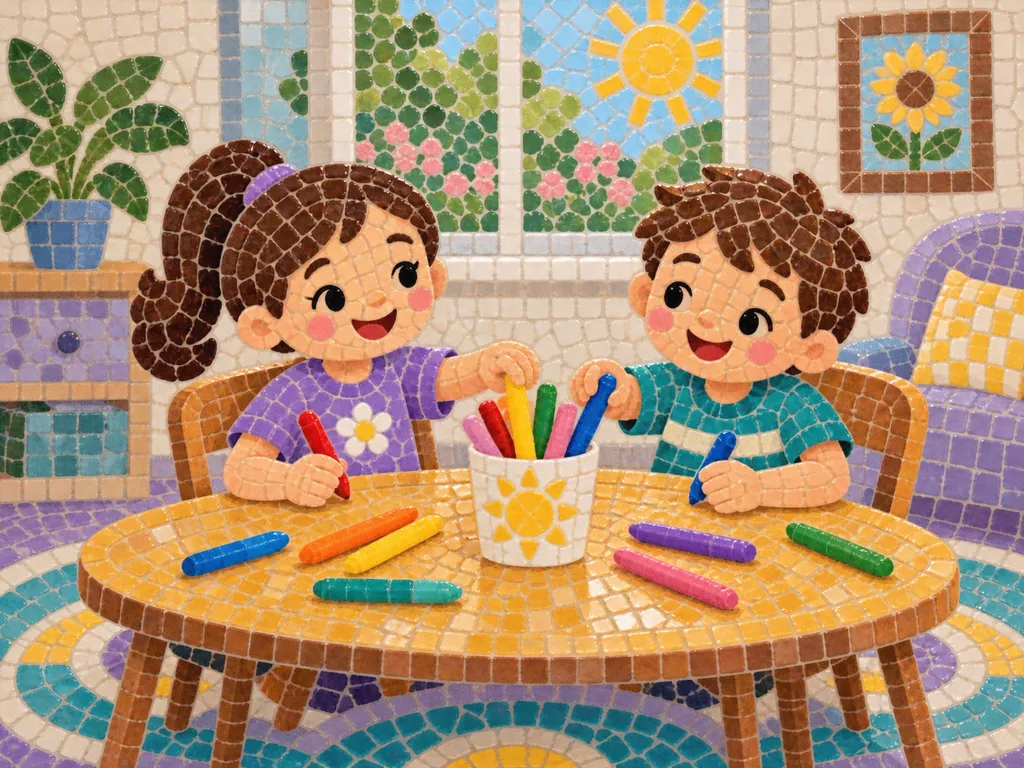
Rooms help children store words in memory. In the kitchen, teach wash the dishes, dry the dishes, load the dishwasher, unload the dishwasher, wipe the counter, set the table, clear the plates, sweep the floor, and put away groceries. Use real objects, so your child links sound, meaning, and action.
In the bedroom, teach make the bed, fold clothes, hang up clothes, put toys away, sort books, put socks in the drawer, and tidy the shelf. In the bathroom, choose safe phrases: wipe the sink, hang the towel, put the toothbrush away, and put laundry in the basket.
For shared spaces, teach vacuum the carpet, mop the floor, dust the shelf, water the plants, feed the pet, sort the recycling, and take out the trash. Choose words that fit your home. The goal is not to copy one country’s routine. The goal is to help your child name real tasks in English.
Examples in Context
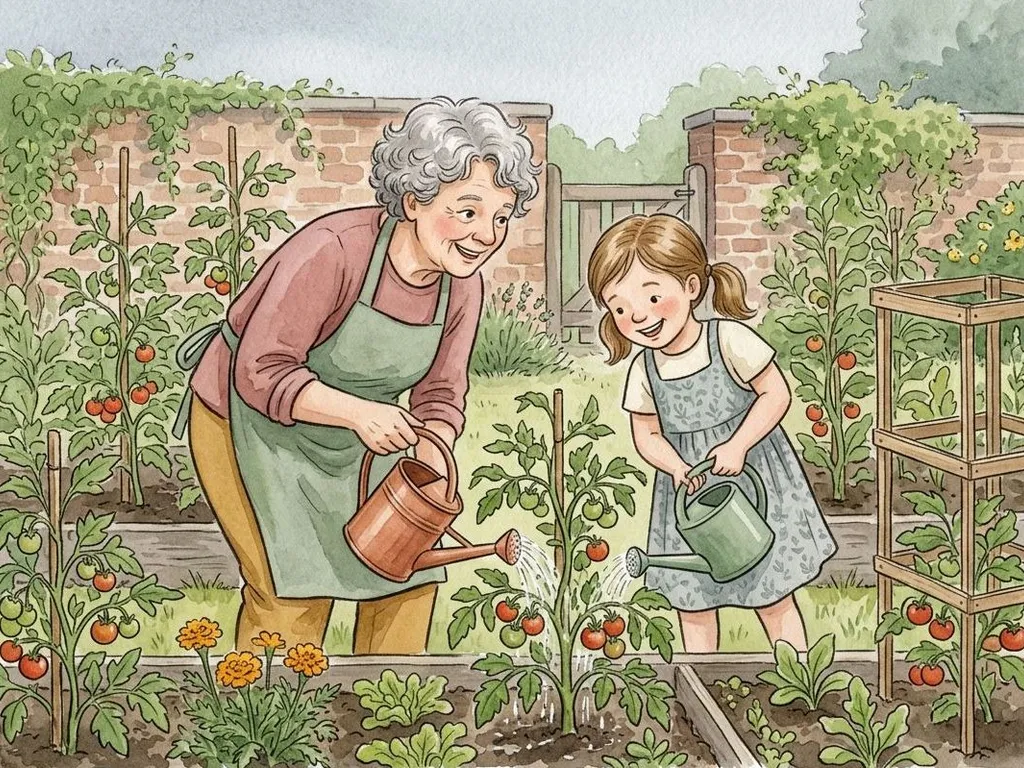
Children learn chore words faster inside sentences. A 5-year-old may need short commands: “Please wipe the surface.” “Put the cars in the box.” “Hang up your coat.” These are kind and direct.
A child aged 7 to 9 can answer questions: “What did you tidy?” “I tidied my desk.” “Who set the place settings?” “My sister set the table.” This builds grammar without a worksheet and gives your child a reason to use past tense at home.
Older children can use planning language: “I will vacuum after breakfast.” “Can I take out the recycling later?” “I have already folded the towels.” In lessons with LearnLink tutors, everyday language can be practised through role play, picture prompts, and short speaking tasks.
Useful Patterns for Speaking
A small set of sentence patterns makes household chores in english for kids easier to use. Children do not need long grammar talks before speaking. They need repeatable frames that fit different words.
Model the full sentence first, then shorten it if your child is tired. “We need to put away the books” can become “Put away the books.” Later, ask the child to rebuild the longer sentence. Practice stays light while English grows stronger.
Activities by Age
For ages 4 to 6, use movement and matching. Put three safe items on the floor: a sock, a toy, and a spoon. Say, “Put away the toy,” or “Put the spoon on the dining table.” Keep the pace gentle. Young children should hear the same phrases several times before saying them alone.
For ages 7 to 10, make a picture chore chart in English. Use phrases such as make the bed, feed the pet, water the plants, clear the dishes, and tidy the desk. Ask your child to choose two chores and say, “Today I will…” This gives choice within structure.
For ages 11 to 15, use role play and problem solving. One child can be a parent, one can be a sibling, or the parent can take one role. Try short scenes: planning chores before guests arrive, dividing jobs before a trip, or explaining why a room is not ready. Teenagers need age-respectful language, so avoid babyish flashcards if they know the basics.
Five-Minute Chore Talk
Choose one room. Point to five things and say one chore phrase for each: “wipe the counter,” “put away the books,” “fold the blanket,” “water the plant,” “sweep the floor.” Then let your child choose three and say, “I can…” before doing or pretending to do each job.
Practice Ideas That Fit Real Family Life
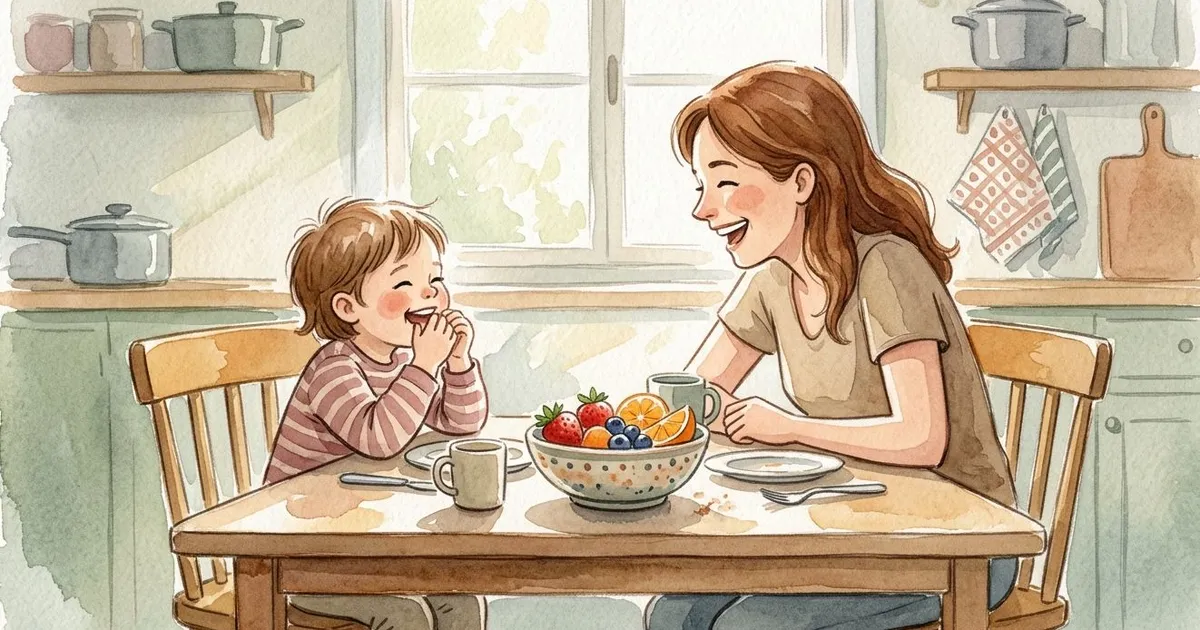
Practice works when it is short and repeated. Use household chores in english for kids during existing routines. Before dinner, say “set the table.” After dinner, say “clear the plates.” On laundry day, say “sort the socks,” “fold the T-shirt,” and “put it in the drawer.”
Try a “one English chore” rule. For one small task each day, use English from start to finish. The task should be manageable without stress. You might say, “First, pick up the blocks. Next, put them in the box. Last, close the box.”
For children who speak two or three languages, avoid translation tests. Instead of asking “What is this in English?” too often, give the child a reason to respond: “Which chore do you choose?” “I choose watering the plants.” “What do we need?” “We need a cloth.” Meaning comes first, then accuracy.
Common Mistakes to Watch For
One mistake is using do for every chore. English uses “do the laundry” and “do the dishes,” but other chores need different verbs: make the bed, set the table, sweep the floor, mop the floor, feed the pet, water the plants, and take out the trash. Teach each verb with its noun.
Another mistake is moving too fast from words to spelling. Young children may say “I am sweeping” long before they can spell sweeping. That is normal. Speaking, listening, and action come first. Reading labels or writing chore lists can come later, especially for children under 7.
Parents can overcorrect small errors. If your child says, “I maked the bed,” answer naturally: “Yes, you made the bed. Thank you.” This gives the correct form without stopping speech. With household chores in english for kids, confidence matters because the phrases return every week.
When a word has several meanings or pronunciations, Cambridge Dictionary is a useful check before turning it into child-friendly examples.
Frequently Asked Questions
What Are the Most Important Chore Words to Teach First?
Begin with chores your child can see and do safely: tidy toys, make the bed, set the table, clear the dishes, fold socks, water plants, feed the pet, and put clothes away. These phrases are concrete and practical. Once your child understands them, add wider home words such as vacuum, mop, dust, recycling, laundry, cupboard, and dishwasher.
How Can I Practise Chore Vocabulary Without Making English Feel Like Extra Homework?
Use one existing routine. Say two or three English phrases while the chore happens, then stop. For example: “Put the plate here. Wipe the counter. Good, this spot is clean.” Short, calm practice works better than a long lesson after school. Household chores in english for kids should feel practical, not like a test.
Should My Child Learn British or American Chore Words?
Choose the variety your child hears most, but teach a few differences when they appear. Trash and rubbish, closet and wardrobe, faucet and tap are practical pairs. Children in international families often meet both forms through videos, books, school, and travel. Help them understand both and use one form consistently when they speak.
At What Age Can Children Start Learning Household Chores in English?
Children can start at 4 or 5 with action phrases such as “tidy toys” and “wash hands.” They do not need to read the words yet. Ages 7 to 9 can use short sentences and past tense. Older children can discuss plans, fairness, time, and responsibility: “I will do the laundry today, and my brother will take out the recycling.”
Start your child's English journey today — book a trial lesson with LearnLink.
Stay updated on our latest tips and resources by following us on Instagram LearnLink.