Help Kids Become Fluent in Spoken English
Spoken fluency grows when a child hears English often, answers in real situations, and feels safe making mistakes; that is the idea behind How to Help Your Kids Become Fluent in Spoken English: A Practical Guide for Families. For most children, fluency does not start with perfect grammar. It starts with fast understanding, short replies, songs, stories, games, and courage to try again. At home, you do not need to become a full-time teacher. Make English a normal, warm part of family life through small repeated moments.
📥 Speak English With Confidence
Practical speaking activities for children and families
Leave your email — we'll send the PDF to your inbox.No spam — the PDF plus one short reminder. Unsubscribe anytime.
What Families Need to Know First
Children become fluent in spoken English through use, not silent study alone. A 6-year-old who says “Can I have the blue one?” during play builds a stronger speaking habit than a child who only fills in worksheet gaps. Reading and grammar matter, but speech needs turn-taking, listening, memory, and confidence.
How to Help Your Kids Become Fluent in Spoken English: A Practical Guide for Families is not an overnight promise. It is a steady plan. Children aged 4-15 need different support, yet the core stays the same: hear English, answer in English, repeat practical phrases, and connect words to real life.
Across LearnLink lessons, our 200+ tutors support children aged 4-15 in one-to-one English lessons with families in 100+ countries and 4,000+ families; these scale facts are current as of August 2026. Spoken English must work across accents, cultures, school systems, and home languages.
Data current as of July 2026.
What Spoken Fluency Looks Like by Age
For a 4- or 5-year-old, fluency may mean joining a song, naming toys, choosing between “big” and “small,” or answering “What colour is it?” A young child does not need long speeches. Short phrases are a strong start.
For 7-9-year-olds, fluency starts to include small stories: “I went to the park,” “My dog is funny,” or “I don’t like onions.” Children can practise question-and-answer routines, role-play shops and restaurants, and retell a picture book in their own words.
Older children, from about 10-15, need choice and real thinking. They can give opinions, explain game rules, compare two films, or discuss school topics such as science, music, or sport. They still need correction and space to finish a thought without being stopped every few words.
How to Use English at Home Without Pressure
A strong home routine is short and repeatable. Ten minutes daily usually beats one long weekend session. Choose one moment: breakfast questions, bath-time words, a bedtime story, a walk, or a car ride. Tie the language to what the child can see and do.
Use fixed phrases first. Say “Put on your shoes,” “Choose one,” “Tell me why,” or “Your turn.” Repeat the same phrases for several days. Children need to hear a phrase often before they use it with ease. How to Help Your Kids Become Fluent in Spoken English: A Practical Guide for Families should begin with family routines, not a thick grammar book.
Do not correct every mistake. If your child says, “He go school,” answer naturally: “Yes, he goes to school.” The child hears the right form without feeling stopped. Save direct correction for one small target, such as “I have” instead of “I has.”
Age-appropriate Examples Parents Can Try
With younger children, use movement. Ask them to “jump,” “touch something red,” “hide the teddy,” or “show me three blocks.” Movement links listening to meaning through the body, not translation alone.
With children, build small speaking frames. Try “I like ___ because ___,” “Yesterday I ___,” or “My favourite ___ is ___.” Frames reduce stress because the sentence shape is ready. The child only adds meaning.
With pre-teens and teens, let English carry a real opinion. Ask, “Which game is fairer?” “What would you change in this story?” or “Which animal would survive best here?” Older children often speak more when the question deserves an answer.
Practical Activities That Build Spoken English
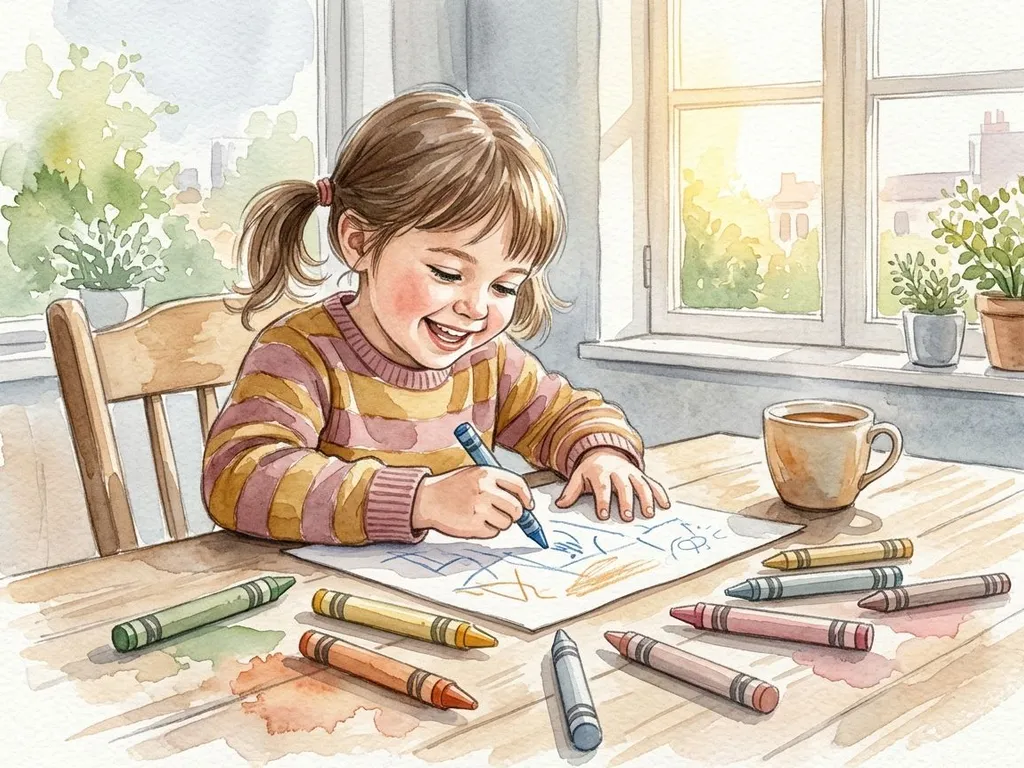
Use picture talk. Open a book, family photo, or safe image and ask three questions: “What do you see?” “What is happening?” “What happens next?” Younger children can answer with one word. Older children can give reasons and predictions.
Try role-play with real objects. A snack shop, doctor visit, toy hotel, airport desk, or lost-and-found game gives children a reason to speak. Keep the exchange short: greeting, request, answer, thanks. Then switch roles.
How to Help Your Kids Become Fluent in Spoken English: A Practical Guide for Families works when activities end before the child gets tired. Stop while the child still feels successful. A cheerful seven-minute game beats a thirty-minute struggle.
Five-minute Speaking Round
Choose one object in the room. Ask your child to say three things about it: what it is, what it looks like, and what they can do with it. A younger child might say, “Ball. Blue. Throw.” An older child might say, “It is a soft blue ball, and we use it when we play inside.” Repeat with two more objects, then stop.
When Lessons Help and What to Look For
Home practice gives English a place in daily life. Lessons add structure, feedback, and a speaking partner who is not the parent. For first-time online learners, this mix often lowers stress: the child practises at home, then uses the language with a tutor.
Look for lessons where the child speaks often, not only listens. A strong lesson includes warm-up talk, modelling, guided practice, playful review, and a small step forward. For younger children, 25 minutes may fit attention; for older or confident learners, 50 minutes can allow deeper speaking practice.
How to Help Your Kids Become Fluent in Spoken English: A Practical Guide for Families should respect bilingual and multilingual homes. A child who already speaks two or three languages is not starting from zero. They may compare sounds, borrow words, or need extra time to choose the right language. That is normal.
When a word has several meanings or pronunciations, Cambridge Dictionary is a useful check before turning it into child-friendly examples.
Frequently Asked Questions
How Long Does It Take for a Child to Speak English Fluently?
There is no honest fixed timeline. It depends on age, starting level, confidence, lesson frequency, and how often the child hears and uses English outside class. A practical first goal is not “fluent by a date,” but “able to answer familiar questions, join short conversations, and recover after mistakes.” Small, steady speech builds stronger fluency.
Should Parents Speak English at Home If Their Own English Is Not Perfect?
Yes, if you keep it natural. You do not need perfect English to say “Your turn,” “Choose one,” “What happened?” or “Tell me more.” If unsure, use songs, audiobooks, or tutor-led phrases as models. The main risk is not imperfect English; it is making speaking feel like a test.
Is It Better to Correct Mistakes Straight Away?
Correct gently and selectively. If you stop every sentence, your child may speak less. Use recasting: when your child says “She like cats,” you answer, “Yes, she likes cats.” For older children, choose one weekly focus, such as past tense or question forms, and correct only that pattern during speaking practice.
Can Screen Time Help with Spoken English?
It can help if it leads to speech. A short video, song, or story has value when you ask your child to repeat a phrase, describe a character, predict the ending, or explain a funny moment. Passive watching is weaker. Shared watching with talk before, during, and after gives the child a reason to use English aloud.
What Is the First Step If My Child Understands English but Will Not Speak?
Start with low-pressure choices. Ask “red or blue?” instead of “Tell me about your day in English.” Let your child point first, then say one word, then a short phrase. How to Help Your Kids Become Fluent in Spoken English: A Practical Guide for Families begins with safety: a child speaks more when the first answer feels easy enough to try.
A short one-to-one lesson can show what level and pace fit your child — book a free English lesson.
Stay updated on our latest tips and resources by following us on Instagram LearnLink.