English for Kids: A Practical Guide

English can shape a child’s future by giving them one shared language for learning, friendship, travel, media, and later study or work. How English for Kids Can Help Shape Their Future: A Practical Guide for Families is not about pushing adult goals early; it is about building calm language habits while the brain is flexible and play still leads learning. For children aged 4-15, English works when tied to real life: a favorite game, family meal, story, school project, or short online lesson with a reason to speak.
📥 English for Kids: A Practical Guide
Home phrases, age examples, practical tasks, and a weekly habit tracker
Leave your email — we'll send the PDF to your inbox.No spam — the PDF plus one short reminder. Unsubscribe anytime.
What Families Need to Know
English is not a prize at the end of childhood. It is a tool children learn step by step. A 5-year-old may begin with “red car” and “I like apples.” A 12-year-old may need English to explain a science video, write a short opinion, or speak with a child from another country.
The future value comes from steady use, not early pressure. Children who meet English through songs, games, stories, projects, and kind correction keep trying when the language becomes harder. How English for Kids Can Help Shape Their Future: A Practical Guide for Families means giving your child language they can use now while opening later doors.
For multilingual families, English does not need to replace the home language. Strong first languages support thinking, memory, and identity. English grows beside them, with routines and respect for the languages your child already knows.
Why English Matters Beyond School
For children, English may first appear as a school subject. Soon it becomes wider: a game menu, song lyric, museum audio guide, coding tutorial, sports interview, or message from a cousin abroad. Children notice English is not only for tests.
That wider use builds confidence. A child who understands part of a cartoon without subtitles feels capable. A child who can ask, “Can I play?” on holiday sees language work in real life. Small wins help children see themselves as learners who can join wider conversations.
How English for Kids Can Help Shape Their Future: A Practical Guide for Families should stay practical here. The aim is not to promise a career or university place. The aim is to help children gain a common language for learning from the world and speaking with more people in it.
How to Use English at Home
Home practice works when it is short, warm, and predictable. Ten minutes three or four times a week often beats one long session that becomes a battle. Choose one focus: colors, food, classroom words, feelings, animals, or questions.
Use English in moments your child already understands. At breakfast, say, “Milk or water?” At the door, say, “Shoes on.” During play, say, “Your turn” and “My turn.” The action gives meaning. Children do not need a grammar lecture before they understand a phrase.
A family rhythm helps: hear it, say it, use it, return to it. First your child hears “green.” Then they repeat “green.” Then they find a green toy. Later that day, you ask, “Where is something green?” This is the home version of How English for Kids Can Help Shape Their Future: A Practical Guide for Families: small steps, repeated, with meaning.
Examples by Age
Children need movement, pictures, songs, and short phrases. They may answer with one word at first. That is normal. Targets include colors, toys, animals, body parts, family words, and everyday commands such as “sit down,” “come here,” and “look.”
Children can handle short exchanges. They can ask and answer: “What do you like?” “I like pizza.” “Where is the ball?” “It is under the chair.” At this age, rule-based games work because children want to win, guess, sort, and explain.
Children usually need purpose. They can talk about hobbies, online safety, school subjects, books, films, plans, and opinions. They still need play, but it may look like role-play, debate, quizzes, projects, or a short presentation about something they care about.
Practical Activities for Real-Life Use
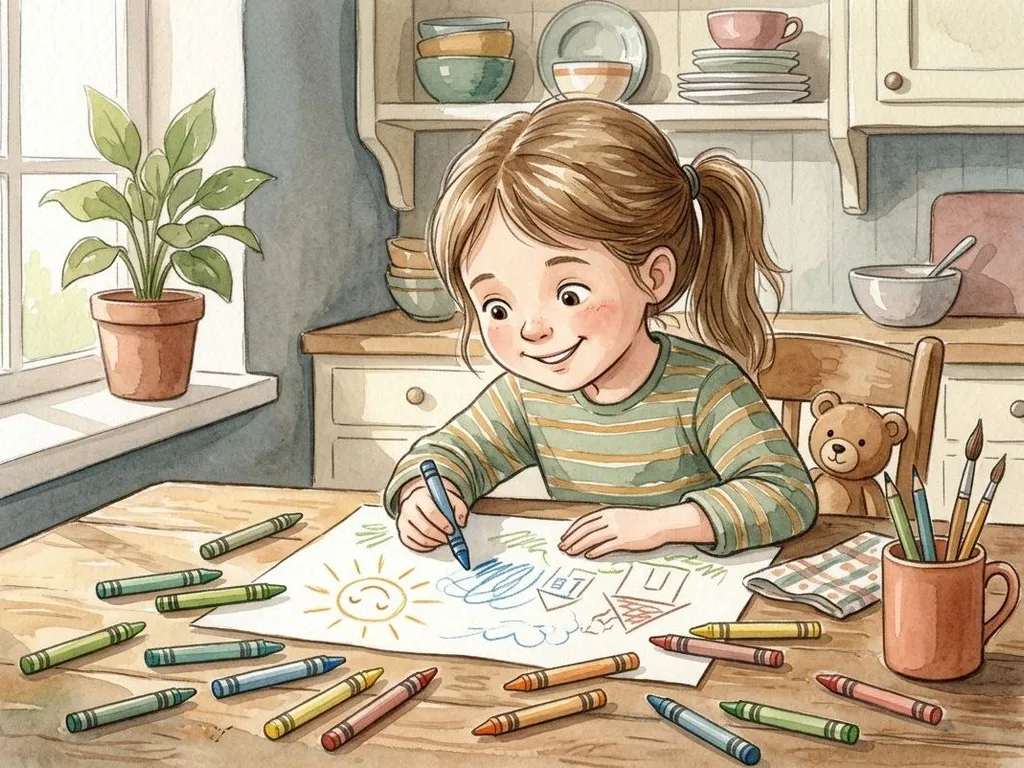
Start with a picture hunt. Choose five words, such as door, table, shoes, book, and window. Say each word, let your child touch or point to it, then swap roles. Older children can write the words on sticky notes or build a mini dictionary with a drawing and one sentence.
Use a “choice question” routine. Instead of asking, “What do you want?” ask, “Do you want an apple or a banana?” Choice questions reduce pressure because the child hears the answer inside the question. Later, add “Why?” when your child is ready: “Why do you want the banana?”
Stories matter. Read a short page, pause, and ask one concrete question: “Who is sad?” “Where is the dog?” “What happens next?” Children learn that English helps them follow meaning, not just name single words. Across LearnLink tutors and lessons, guided speaking often works better than long lists without context.
Five-minute Family Challenge
Choose one room. Name five objects in English, then make two short sentences together: “This is a lamp” and “The lamp is big.” Tomorrow, use the same room and add two new words.
What Progress Can Look Like
Progress in children is often uneven. A child may understand far more than they say. Another may speak boldly but make grammar mistakes. Both patterns can be healthy. Watch attention, willingness to try, memory for phrases, and growing independence.
A younger child might progress from pointing to one word, then two-word phrases, then short sentences. An older child might move from memorized answers to giving reasons: “I like football because my friends play.” These are real steps, even when grammar is not perfect.
How English for Kids Can Help Shape Their Future: A Practical Guide for Families also means knowing when to slow down. If your child becomes tense, reduce the task. Use easier words, more pictures, more movement, or a shorter lesson. Confidence is part of the learning system.
How to Choose Support That Fits Your Child
The right support depends on age, temperament, schedule, and goals. Children may need play-based lessons with movement and pictures, conversation practice, or help with school confidence. A shy child may need wait time before answering; a child who rushes may need games that reward careful listening.
For first-time online learners, the first goal is not perfect English. It is comfort with the format: greeting the tutor, listening through headphones, answering questions, and knowing that mistakes are allowed. Short lesson routines help children settle.
Parents can help by sharing what the child likes and what causes stress. A lesson about animals may open speech for one child; another may speak more through drawing, football, music, or a puzzle. How English for Kids Can Help Shape Their Future: A Practical Guide for Families is strongest when adults build from the child in front of them.
- Try a 10-minute picture-book read-aloud after breakfast with your four-year-old.
- Practice five new words using toys, gestures, and one short sentence each.
- Choose one age-appropriate app and limit sessions to 15 focused minutes.
- Ask your child to retell one page from Brown Bear, Brown Bear.
- Meet one qualified tutor weekly, then review progress every four lessons.
When a word has several meanings or pronunciations, Cambridge Dictionary is a useful check before turning it into child-friendly examples.
Frequently Asked Questions
What Age Is Best to Start English?
Children can start at different ages, and each age has strengths. A 4- or 5-year-old may copy sounds easily and enjoy songs and games. An older child may understand rules faster and use English for school, hobbies, or online content. Start with a rhythm your family can keep: short, regular, and calm.
Will English Confuse a Bilingual or Multilingual Child?
Usually, no. Multilingual children may mix languages for a while, especially when they are young, but that is often part of sorting meaning. Keep the home language strong and use English in defined moments: story time, lesson time, a game, or a short daily routine. English should add to the child’s language life, not push another language out.
How Much Practice Does a Child Need Each Week?
For most families, regular small practice is better than rare long sessions. Try two or three focused lessons or activities each week, plus tiny daily moments such as greetings, choices, or naming objects. A 6-year-old may manage five playful minutes; a 12-year-old may handle a longer task with reading, speaking, and writing.
How English for Kids Can Help Shape Their Future: A Practical Guide for Families Without Adding Pressure?
Keep the goal practical and human. Let English help your child ask, choose, explain, read, watch, play, and connect. Avoid turning every mistake into a correction. Praise effort, repeat the correct form naturally, and return to words over time. Children build long-term skill when English feels safe enough to use.
Start your child's English journey today — book a trial lesson with LearnLink.
Stay updated on our latest tips and resources by following us on Instagram LearnLink.