How Kids Can Learn Conversational English
How kids can learn conversational English starts with short, repeated talk about real life: greetings, needs, choices, feelings, play, school, and opinions. Children do not become confident speakers by memorizing word lists. They need safe chances to hear a phrase, try it, make a small mistake, and try again. Early success is not flawless grammar. It is a child who can answer, ask, repair a sentence, and keep a short exchange going. This guide shows how kids can learn conversational English at home, across ages 4-15, without turning family life into a classroom.
📥 Everyday Conversation Practice for Kids
Listen, speak, and answer with useful language for home, play, and school.
Leave your email — we'll send the PDF to your inbox.No spam — the PDF plus one short reminder. Unsubscribe anytime.
What Families Need to Know First
Conversational English is not the same as “knowing English words.” A child may know colors, animals, and numbers, yet freeze when someone asks, “What do you want to play?” Speaking needs quick recall, listening, turn-taking, and courage before the sentence feels polished.
How kids can learn conversational English depends on three conditions: practical language, repetition, and a warm adult response. A five-year-old may need “I want…” and “Can I have…?” several times. A twelve-year-old may need opinion phrases, such as “I agree because…” or “I see it differently.”
Start with Everyday Language, Not Textbook Topics
The strongest first phrases connect to routines your child already knows. Breakfast, getting dressed, toys, homework, screen time, sports, and bedtime provide reasons to speak. “More milk, please” works better than a random list of food words because the child needs it now.
Choose three to five phrases for one week. For younger children, use short frames: “I want juice,” “Help me, please,” “Where is my bear?” For older children, build fuller turns: “I forgot my book,” “Can we do it after lunch?” or “I need help with this part.”
Use a Simple Listen-say-answer Cycle

Children need to hear a phrase before they can own it. Say the phrase naturally, let your child repeat it, then ask a real question that needs the same language. For example: “I want an apple. You try. What do you want?”
This cycle is short and predictable, so it lowers stress. A child does not have to create a whole sentence from nothing; the sentence shape is already there. Over time, change one word, then two words, then the whole answer.
Examples by Age
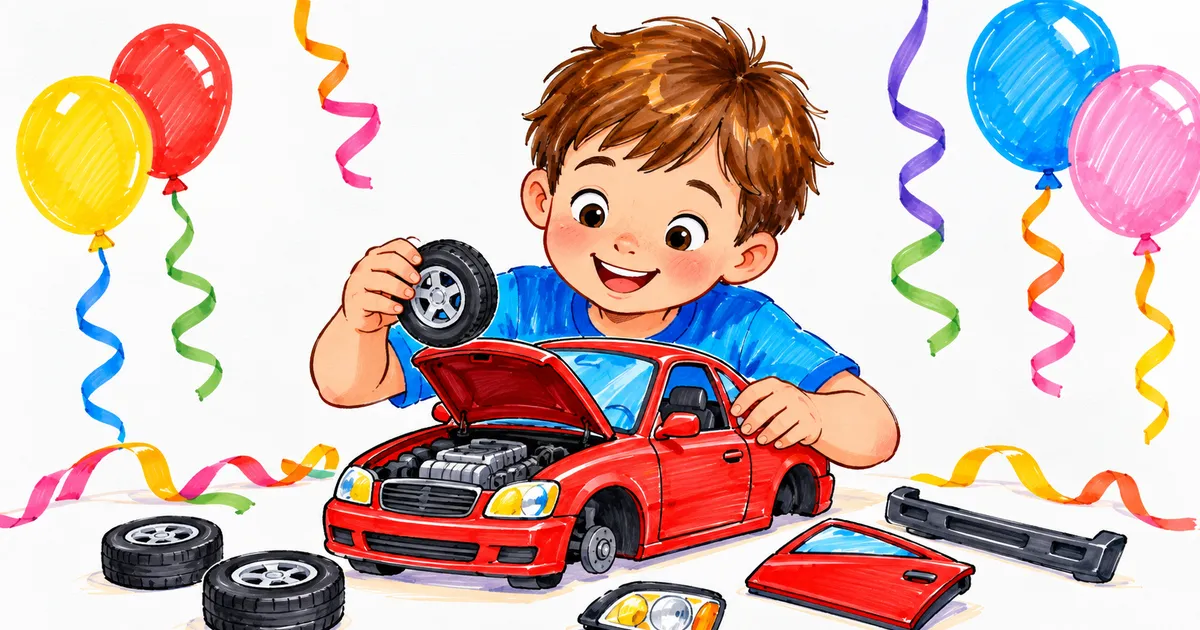
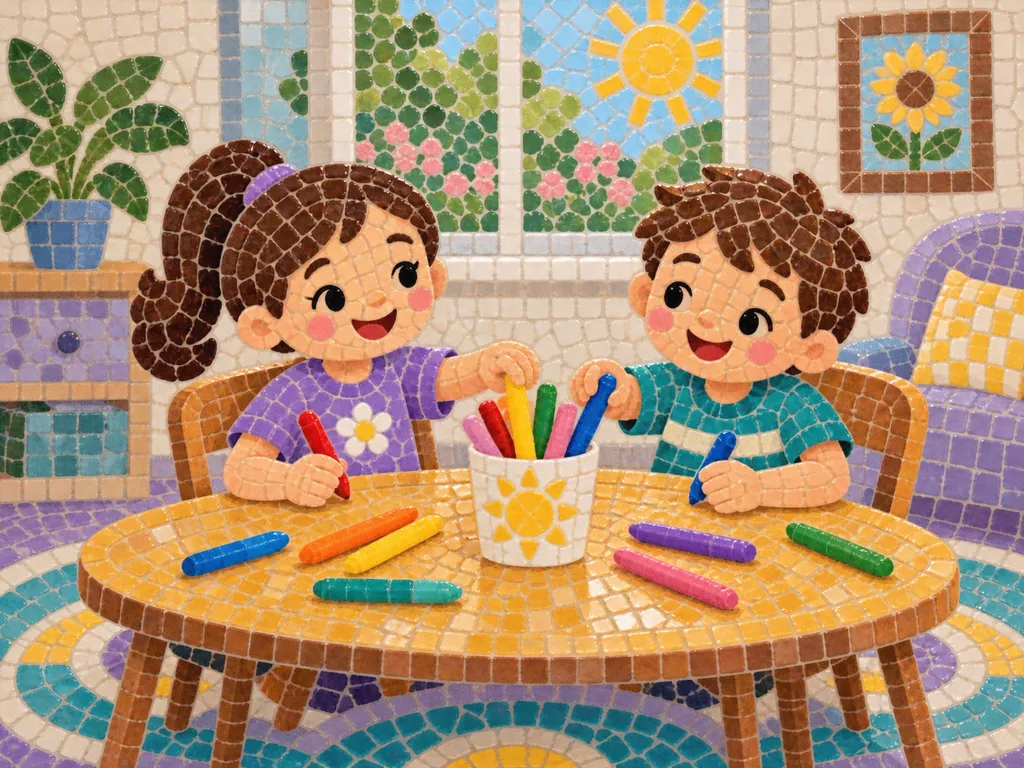
school-age kids learn through play, movement, pictures, and short routines. Use puppets, toy food, blocks, drawing, and action games. Good targets include “It’s my turn,” “Open the door,” “I’m happy,” “I don’t like it,” and “Can I play?”
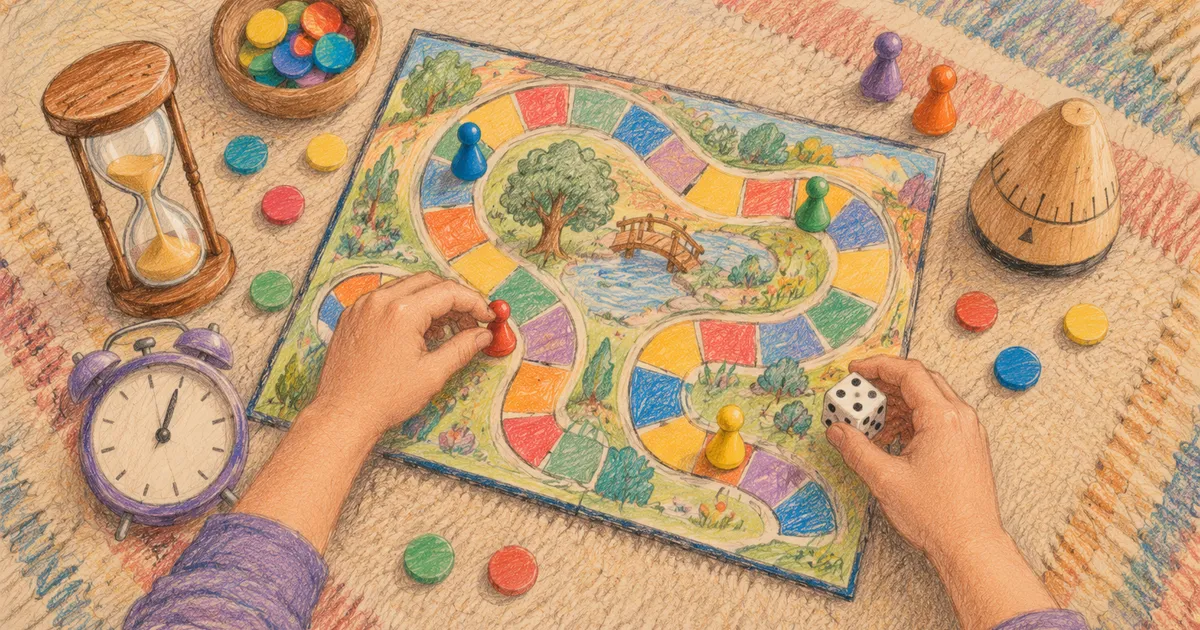
school-age kids can handle short role-play and reasons. Try shop games, restaurant games, guessing games, and “Would you rather?” questions. school-age kids need control and respect. Let them discuss music, games, school, sport, travel, or a video clip, using phrases such as “In my opinion,” “The main reason is,” and “Can you explain that?”
Make Practice Short and Regular
Ten calm minutes most days beats one long Sunday session. Speaking grows through contact. Keep the task small enough that your child finishes with energy left. Stop before English becomes a family argument.
A practical home rhythm is: two minutes of review, five minutes of speaking play, and two minutes of a final challenge. The challenge might be “Ask me two questions,” “Tell me three things you want,” or “Explain the game rules in English.” This is one reliable way for How kids can learn conversational English without pressure.
Five-minute Family Speaking Game
Put five small objects on the table. One person secretly chooses an object. The other asks yes/no questions: “Is it red?” “Can I eat it?” “Is it for school?” Then switch roles. Older children ask one follow-up question after each answer.
Correct Mistakes Without Stopping the Talk
In conversation practice, fluency and accuracy must grow together. If every small error is corrected at once, children may stop speaking. If errors are never corrected, weak patterns can become habits. Use short, calm recasting.
If your child says, “He go school,” answer naturally: “Yes, he goes to school. What does he do there?” The child hears the correct form and keeps talking. Save direct correction for phrases from the week, or for errors that block meaning.
How Online Lessons Can Support Home Practice
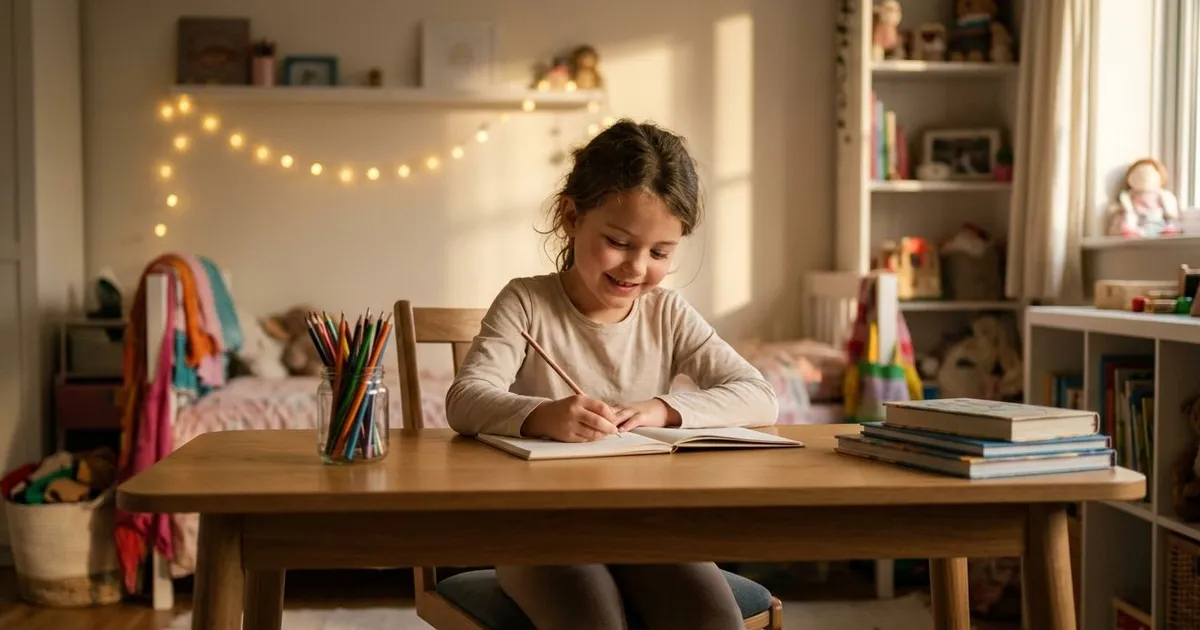
Home practice gives warmth and repetition. A skilled tutor adds structure, wider language, and a fresh speaking partner. In LearnLink lessons, children ages 4-15 can practise general English one-to-one in 25- or 50-minute lessons, with tasks matched to age, level, and attention span.
Across LearnLink lessons, our tutors look for what a child can do in live talk: answer a question, ask for help, retell a short event, explain a choice, or keep a role-play moving. How kids can learn conversational English is not only about input. It is guided output with a patient adult who knows when to help and when to wait.
Common Signs of Progress
Progress often appears first as speed, not length. A child answers faster, uses a learned phrase without prompting, or asks “How do you say…?” instead of switching away from English. These signs matter, even when grammar is still uneven.
Later, you may notice longer turns. Your child adds a reason, asks a follow-up question, or repairs a sentence after hearing it once. For older children, progress may look like natural linking: “First we played football, then it rained, so we went home.”
- Track how kids can learn conversational English through two-minute daily check-ins.
- Read one Elephant and Piggie page aloud, then swap roles for dialogue.
- Record a 60-second kitchen chat and praise one clear response.
- Practice three shopping phrases with toys, receipts, and real price tags.
- Use one picture book question: who, where, why, then wait five seconds.
When a word has several meanings or pronunciations, Cambridge Dictionary is a useful check before turning it into child-friendly examples.
Frequently Asked Questions
How Much Speaking Practice Does My Child Need Each Day?
For most families, 10 minutes of focused speaking on school days builds a habit. Younger children may do better with two five-minute bursts. Older children can handle a longer task if the topic feels real to them. The key is regular use, not long drills.
Should Parents Speak English at Home If They Are Not Fluent?
Yes, if you keep routines short and honest. Use phrases such as “Shoes on, please,” “Your turn,” or “Tell me one thing.” You do not need fluent English to give your child practice. For harder questions, write the phrase down and check it later with a tutor or reliable learner dictionary.
What If My Child Understands English but Refuses to Speak?
Start with low-risk answers: pointing, choosing, one-word replies, then short frames. Do not demand full sentences too early. Some children need a silent period before they speak. Offer choices such as “apple or banana?” and praise the attempt by continuing the conversation, not by making a big performance of it.
Can Cartoons and Games Teach Conversation?
They can support listening and vocabulary, but they do not replace live speaking. After a cartoon, ask two questions: “Who was funny?” and “What happened?” After a game, ask your child to explain one rule in English. Turning screen input into a short spoken exchange is How kids can learn conversational English from media more effectively.
When Should We Add Grammar Practice?
Add grammar when your child needs it to say something more clearly. A seven-year-old may need “is/are” for describing pictures. A teenager may need past tense to tell a story. Keep grammar tied to speech: learn the form, say three real sentences, then use it in a question-and-answer exchange.
A short one-to-one lesson can show what level and pace fit your child — book a free English lesson.
Stay updated on our latest tips and resources by following us on Instagram LearnLink.