How Phonics Helps Your Child
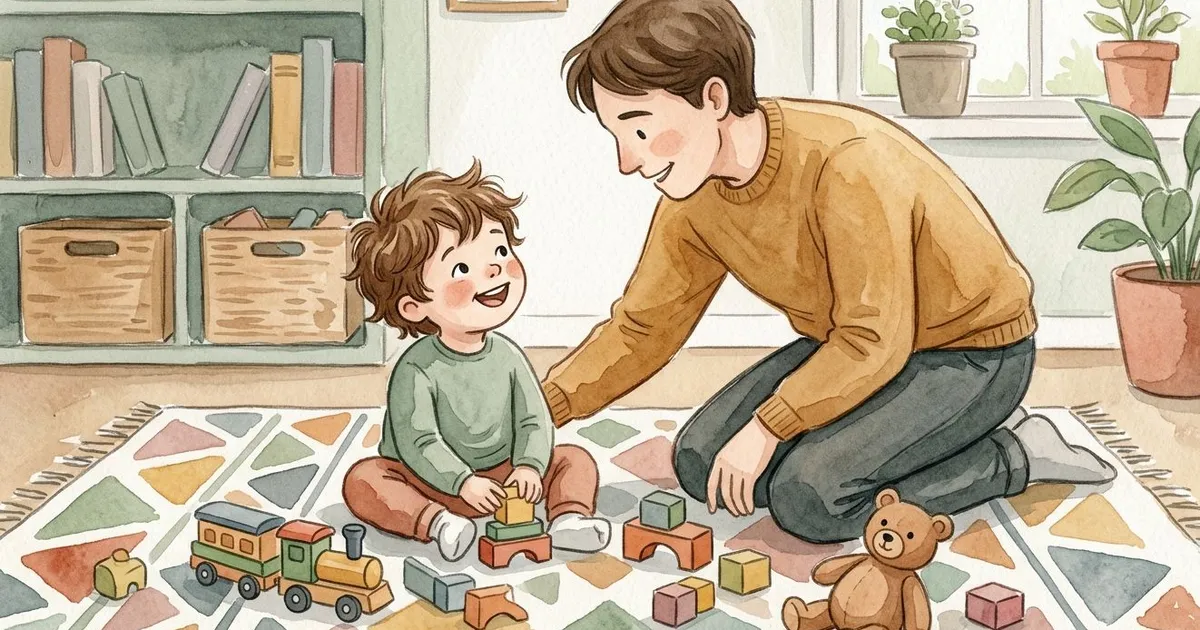
How phonics helps your child: phonics links letters and letter groups to sounds, so a child can decode and spell new words instead of memorising each one. A 6-year-old who knows that sh says /sh/ can try ship, wish, and shop with confidence. For older children, phonics supports spelling, speech, and oral fluency. It is not a full literacy programme, but it gives children a working code. With short, kind practice, printed words feel less like guessing and more like problem solving.
📥 Phonics Practice at Home
Sound, blend, read, and understand simple words with a one-week family tracker.
Leave your email — we'll send the PDF to your inbox.No spam — the PDF plus one short reminder. Unsubscribe anytime.
What Families Need to Know
Phonics teaches the sound system behind written English. Children learn that letters stand for sounds, that two letters can make one sound, and that the same letter can behave differently across words. English spelling is not fully regular, yet it has teachable patterns.
How phonics helps your child becomes clear when your child meets an unfamiliar word. Instead of waiting for an adult to say it, they can look at the letters, say the sounds, blend them, and check whether the word makes sense. That habit builds independence.
Across LearnLink lessons, our tutors work with children aged 4-15 from varied language backgrounds. LearnLink supports families around the world in many countries, with these scale details current as of August 2026. Bilingual children often know that sounds shift between languages, so phonics gives them an English map, not a list of random words.
Data current as of July 2026.
The Main Skills Phonics Builds
Phonics builds decoding first. Decoding means turning print into speech: c-a-t becomes cat. Young learners begin with short vowel words such as sit, hop, and sun, then move toward longer patterns such as rain, light, and teacher.
It builds spelling. When a child hears the sounds in frog, they can stretch the word, hear /f/ /r/ /o/ /g/, and choose letters for each sound. Spelling remains hard in English, but phonics gives children a fair first try.
How phonics helps your child is not only about faster word recognition. It trains children to listen closely, notice small sound changes, and speak more clearly. A child who can hear the difference between ship and sheep has a stronger base for print and spoken English.
Phonics, Sight Words, and Meaning
Families sometimes hear two messages: “sound it out” and “just remember the word.” Children need both, but for different jobs. Phonics helps with patterned words. Sight word practice helps with high-frequency words children must recognise quickly, including partly irregular words such as said, one, and the.
Keep meaning in view. After sounding out shell, ask, “Does that fit the sentence?” If the sentence says, The shell is on the sand, the child connects sound, spelling, and mental picture.
How to Use Phonics at Home
Keep home practice short. Five to ten minutes, three or four times a week, often beats one long session. Choose one pattern, such as ai, and use a small set: rain, train, paint, snail. Then put one word in a sentence.
Say the sound, not a long letter name, when your child is blending. For mat, use /m/ /a/ /t/, not “em-ay-tee.” Letter names matter elsewhere, but sound work needs clean, short sounds.
How phonics helps your child depends on calm repetition. If your child is tired, stop before practice feels like a test. A warm routine protects confidence, especially for children new to online lessons or managing more than one language at home.
Sound and Blend Practice
Ask your child to decode these words by saying each sound, then blending: sat, pin, dog, shop, train. After each word, ask your child to say a short sentence with it.
Examples by Age
For school-age kids, focus on sound play before long text tasks. Clap syllables in names, find words that start with the same sound, and match letters to sounds. A 5-year-old can hear that sun, sock, and sand begin alike before decoding a full sentence.
For school-age kids, work with word families and frequent spelling patterns. Try cake, make, lake, then compare them with cat, map, and sad. This shows how one silent e can change the vowel sound.
For school-age kids, phonics can still help, but it should feel grown-up. Use prefixes, suffixes, and longer words: unhelpful, reader, careless, international. Older learners often need the same code with age-respectful words and tasks.
Practical Activities for Busy Families

Use real print around the child. Read signs, cereal boxes, game menus, and book titles. Ask one small question: “What sound does this word start with?” or “Can you find another word with oo?” Everyday print makes phonics useful.
Build a small word ladder. Start with cat, then change one sound at a time: cat, cot, hot, hop, shop. Children see that one sound can change the whole word, and they learn to look closely.
How phonics helps your child is strongest when practice moves from sound to word to sentence. After decoding fish, use it: The fish is red. After trying night, make a question: Is it night?
Common Mistakes to Avoid
Do not ask children to guess from the first letter and the picture alone. Pictures can support meaning, but accurate decoding needs the whole word. If the word is horse, a child should not say house just because both start with h.
Do not turn every mistake into a long lesson. If your child reads ship as sip, point to sh, say the sound, and let the child try again. A quick correction keeps the focus on learning.
Avoid mixing too many patterns in one sitting. If today is about ee, use see, tree, and green. Save ea in beach for another day, unless your child is ready to compare spellings.
- Practice five minutes of sound tapping with three short-a words.
- Use one decodable book for school-age kids, rereading two pages together.
- Try a no-guessing prompt: say each sound, then blend the word.
- Praise accurate decoding before speed during one bedtime reading session.
- Explain how phonics helps your child by blending three CVC words aloud.
When a word has several meanings or pronunciations, Cambridge Dictionary is a useful check before turning it into child-friendly examples.
Frequently Asked Questions
At What Age Should My Child Start Phonics?
Children can start sound play around age 4 or 5, but formal lessons should follow readiness. Begin with rhymes, first sounds, and letter matching. If your child enjoys it, add short blending tasks. If they resist, keep reading aloud and return to phonics later in small steps.
Does Phonics Help Bilingual Children?
Yes. Bilingual and multilingual children often benefit from direct sound-letter teaching because English may use sounds or spellings that differ from their other languages. How phonics helps your child is by making English print more predictable. It helps families compare sounds kindly: “In one language this letter may sound like this; in English, here it sounds like that.”
Should My Child Memorise Sight Words Too?
Yes, but memorising should not replace phonics. Irregular English words can be hard to sound out fully, so quick recognition helps fluency. Teach a word such as said by noticing both parts: the first and last sounds are regular, while the middle spelling needs memory.
What If My Child Can Sound Out Words but Does Not Understand the Text?
Decoding is ahead of comprehension. Slow down and talk about the sentence. Ask your child to retell it, act it out, or choose a matching picture. Literacy is not only saying words aloud; children need vocabulary, background knowledge, and time to think.
How Much Phonics Practice Is Enough?
Short, steady practice is enough for most families. Try five to ten minutes a few times a week, linked to shared books and real print. Stop while your child still has energy.
- Start with one sound pattern, such as sh, ai, or ee.
- Practice with three to five words, then use one in a sentence.
- Try again another day, before your child feels tired or tested.
A child who leaves practice feeling capable is more likely to return the next day.
If your child needs steady speaking practice, start small — choose a trial lesson.
Stay updated on our latest tips and resources by following us on Instagram LearnLink.