How to Write an Acrostic Poem for Kids

To write an acrostic poem, place a chosen word vertically and begin each line with its matching letter. How to Write an Acrostic Poem: A Practical Guide for Kids breaks the pattern into steps: choose a subject, gather words, draft each entry, and check the initials. A child may use words, phrases, or sentences. Rhyme is optional. Each entry must start correctly and describe the subject.
What Makes a Poem an Acrostic?
An acrostic hides a word in a fixed position, often in the first letters of its lines. For CAT, the poem needs three entries beginning with C, A, and T. Reading the initials from top to bottom reveals the subject.
Curling up beside the chair
Always listening for a sound
Tiptoeing softly through the room
The form gives children a framework while leaving them free to choose images, verbs, feelings, and rhythm. An acrostic can describe an animal, person, place, season, or idea such as courage. Its tone may be funny or serious, but each line should connect to the subject.
Choose a Strong Subject and Collect Ideas
Begin with a familiar word. Concrete nouns such as moon, rain, school, or tiger are easier than broad ideas. Longer words create more space but demand more lines. For a first poem, four to six letters offer enough challenge without crowding the page.
Build a small vocabulary by asking what the subject looks, sounds, feels, or does. For rain, a child might collect silver, rooftop, splash, puddle, cloud, and fresh. These words need not begin with letters from RAIN; they supply details for later lines.
To apply How to Write an Acrostic Poem: A Practical Guide for Kids, write the subject in capital letters down the left side and leave space after each letter. If a letter repeats, plan a different detail for each entry.
Build Each Line with a Clear Pattern
When families use How to Write an Acrostic Poem: A Practical Guide for Kids, drafting works best with the idea first and opening word second. A thought about rain hitting a window can become “Tapping lightly on the glass” for T. The line keeps its natural meaning without forcing an unrelated word.
Entries can take different forms. Mixing line shapes creates more energy than repeating one sentence pattern. Each option below works for a rain poem.
Read the draft aloud. Listen for repeated words, awkward pauses, and details unrelated to the subject. Then read only the initials from top to bottom to catch missing letters or entries in the wrong order.
Tailor the Support to the Child
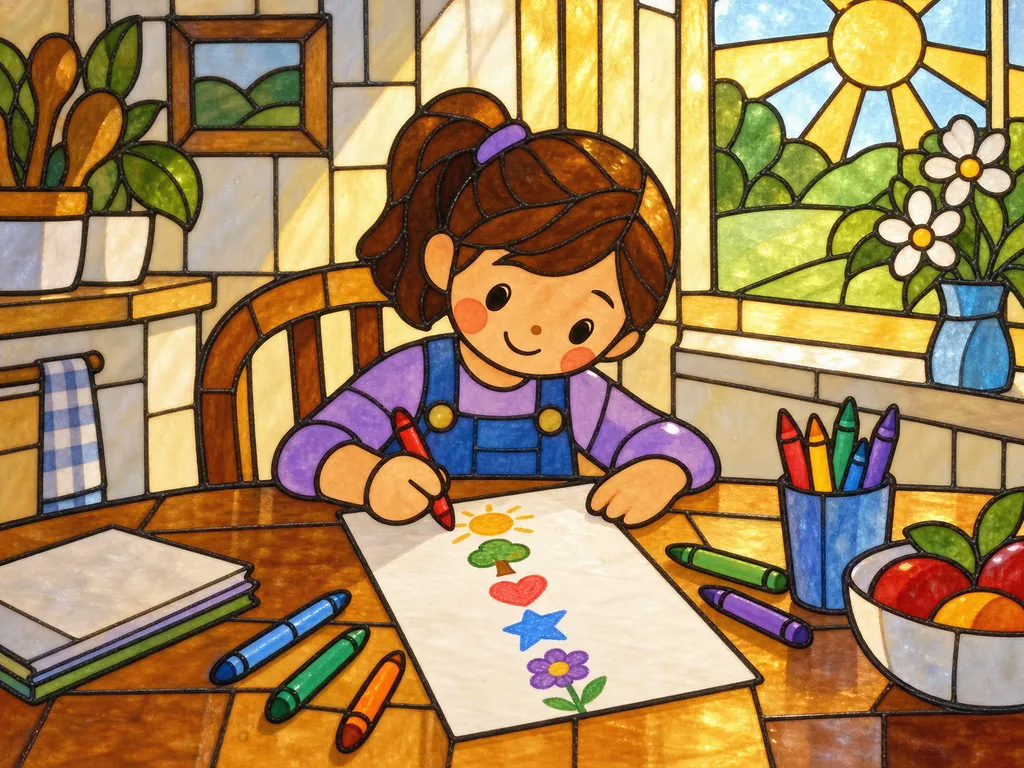
For younger writers, How to Write an Acrostic Poem: A Practical Guide for Kids can start as a shared speaking task. An adult writes the vertical word while the child suggests objects, actions, or sounds. A line may contain one or two words. A drawing can help the child retain the image while choosing language.
Independent writers can add sensory details and varied verbs. Instead of “Snow is cold,” they might write “Silent flakes cover the path.” Older children and teens can explore abstract subjects, control tone, or hide the word beyond the first letter. Readers should understand the poem without solving the puzzle first.
Multilingual children may find ideas first in another language. Treat that knowledge as a resource. Let the child explain the image, then find natural English words together. During lessons, LearnLink tutors can model sentence patterns while preserving the child’s meaning.
Common Mistakes and Simple Fixes
A common mistake is choosing an opening word only because its first letter fits. “Amazing is my dog” starts correctly but sounds unnatural. Keep the idea and reorder it: “Always waiting beside the door.” Grammar and meaning still matter in poetic forms.
Another mistake is treating rhyme as a rule. A child may add weak, unrelated details to match final sounds. Drop the rhyme and retain the stronger image. Repetition can flatten a poem: five lines beginning with “is” or ending with “nice” offer little to picture. Specific nouns and active verbs produce stronger lines.
The central check in How to Write an Acrostic Poem: A Practical Guide for Kids has three parts: the initials spell the chosen word, each line relates to it, and each phrase sounds natural aloud. Spelling matters, but the first draft need not look neat. Improve the ideas before making the final copy.
Practice Activities for Home or Class
Short tasks separate planning, drafting, and editing. Let your child test lines aloud before making a polished copy. When a letter feels difficult, offer choices but let the child select the image.
Exercise 1: Complete a Short Acrostic
Write STAR vertically. Complete the lines: Shining ______; Twinkling ______; Above ______; Resting ______. Read the poem aloud and replace any detail that does not describe a star.
After learning the pattern, children can edit a faulty poem and see how the first-letter and meaning rules work together.
Exercise 2: Repair the Final Line
Check this TREE acrostic: Tall branches reach upward; Roots hold the soil; Every leaf catches light; Birds rest in the shade. The final line has the wrong initial. Rewrite it with E while keeping the idea. One answer is: “Evening birds rest in the shade.”
The final activity turns vocabulary into a poem, requiring the writer to select and shape ideas instead of copying a prepared line.
Exercise 3: Turn Notes into a Poem
Use the subject RAIN and these notes: rooftop sound, cool air, indoor games, new puddles. Write four lines in order. Underline one active verb and circle one sensory detail. If a line feels forced, keep its meaning and try another opening word.
Invite your child to choose a new subject and repeat the process without prompts. Compare both poems for sharper images, stronger verbs, and varied line shapes. The goal is thoughtful revision, not one perfect answer.
When a word has several meanings or pronunciations, Cambridge Dictionary is a useful check before turning it into child-friendly examples.
Frequently Asked Questions
Does an Acrostic Poem Have to Rhyme?
No. Letter position defines an acrostic, not rhyme. Rhyming lines work when they sound natural and support the subject. If rhyme introduces an unrelated word or awkward sentence order, keep the stronger line. Rhythm, repeated sounds, and vivid images can create music without end rhyme.
Can the Hidden Message Contain More than One Word?
Yes. A poem can spell a name, short phrase, or connected words. Remove spaces when writing the letters vertically, or leave a small gap between words to show the structure. Longer messages require more lines, so gather enough ideas before starting. A developed short acrostic is stronger than a long poem with repeated details.
How Long Should an Acrostic Poem Be?
The chosen word determines the number of entries: a five-letter word needs five. Each line may be a word, phrase, or sentence, so total length varies. New writers should start with a short subject and expand when they have more to say. Older writers can choose longer words or create connected acrostics.
Should Every Line Be a Complete Sentence?
No. Poets may use words, noun phrases, action phrases, and sentences. Consistent meaning matters more than identical grammar. Read the poem aloud and listen for accidentally unfinished lines. A deliberate fragment such as “Under a silver moon” works, while a phrase missing a key word may confuse readers.
How Can I Help Without Writing the Poem for My Child?
Use How to Write an Acrostic Poem: A Practical Guide for Kids as a prompt set. Ask what the subject does, where it appears, and which sounds or colours belong to it. Record the child’s words without completing the lines. If a letter causes difficulty, offer two opening words and let your child choose, adapt, or reject them.
Start your child's English journey today — book a trial lesson with LearnLink.
Stay updated on our latest tips and resources by following us on Instagram LearnLink.