English Hygiene Vocabulary for Kids
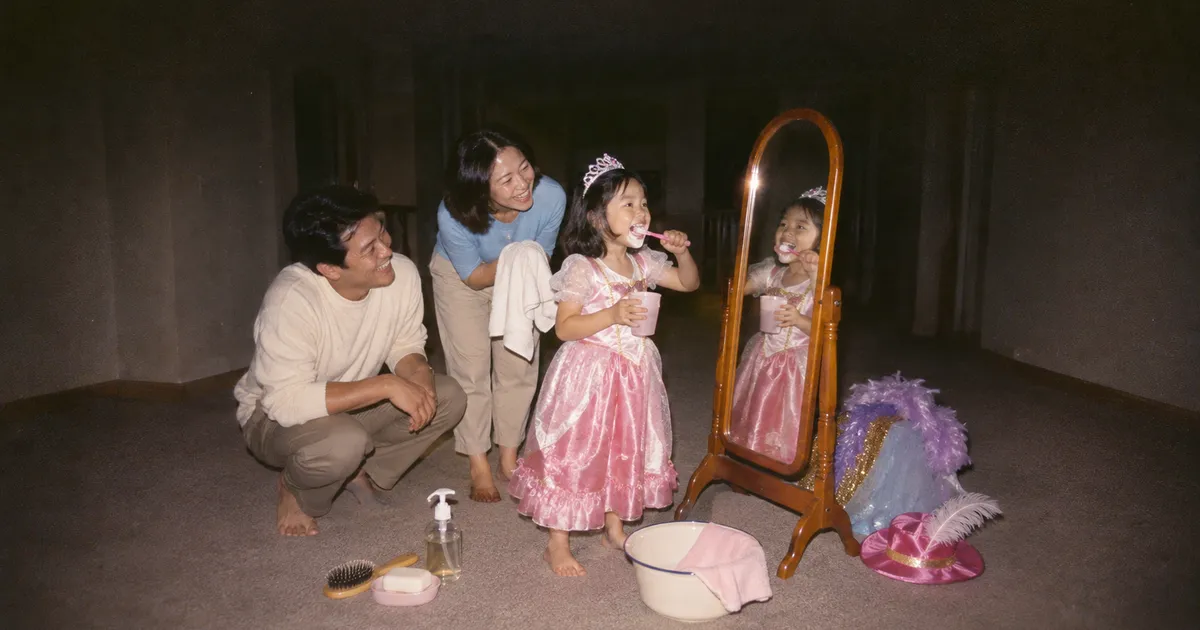
English Hygiene Vocabulary and Activities for Kids is a practical set of body-care words, daily phrases, and short home games. Start with familiar objects such as soap and a toothbrush, then pair each noun with an action: wash your hands, brush your teeth, and dry your face. Children remember phrases by hearing and using them during real routines. The goal is not a long vocabulary test, but helping your child follow instructions, describe actions, and discuss personal care confidently.
Core Hygiene Words to Teach First
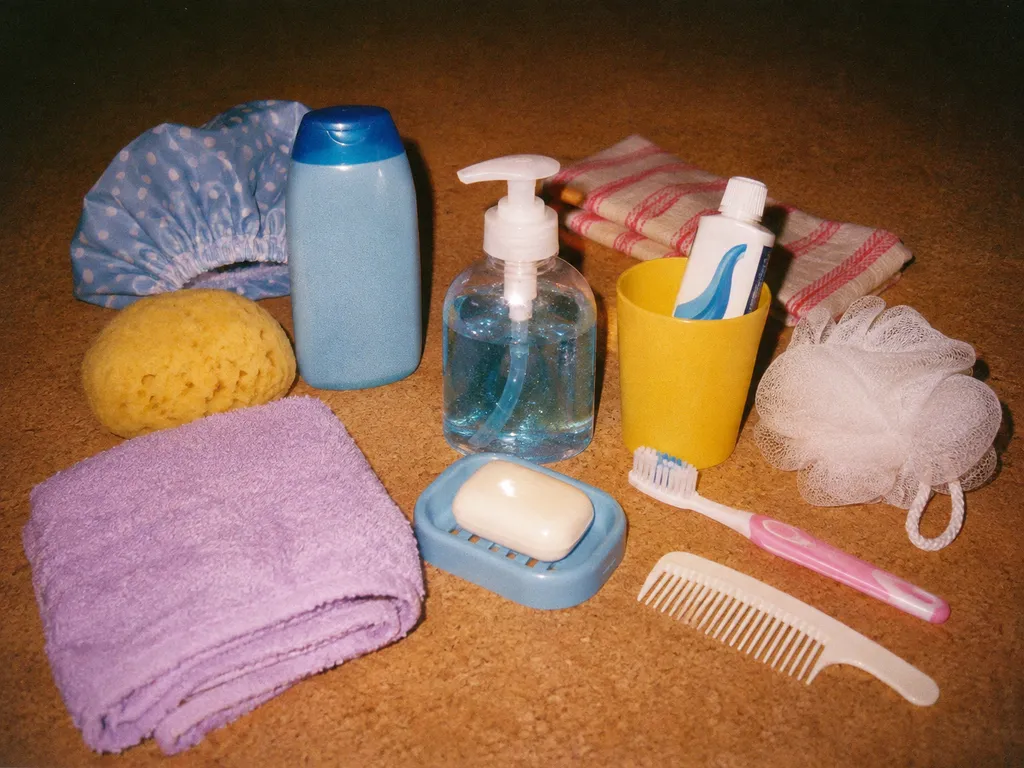
Teach hygiene vocabulary in small groups tied to one place or routine. A bathroom group might include soap, shampoo, toothbrush, toothpaste, towel, comb, bath, shower, sink, tap, and toilet. A body-care group can cover hands, face, hair, teeth, nails, skin, and body. Children can point to safe objects while naming them.
- Hand care: soap, water, sink, tap, towel, clean, dirty
- Dental care: tooth, teeth, toothbrush, toothpaste, brush, rinse
- Hair and body care: shampoo, comb, hairbrush, bath, shower, sponge
- Daily items: tissues, toilet paper, nail brush, clean clothes, laundry basket
English Hygiene Vocabulary and Activities for Kids should introduce verbs immediately. Knowing only “towel” does not help a child describe a routine. Add wash, brush, rinse, wipe, dry, comb, use, put on, and take off. Practise one pairing at a time: “dry your hands” or “comb your hair.”
Useful Phrases in Everyday Context
Move from single words to reusable chunks. Begin with instructions: “Wash your face,” “Use soap,” “Rinse your toothbrush,” and “Put the towel back.” Then model first-person sentences: “I am brushing my teeth,” “I need a tissue,” and “My hands are clean.” Add questions such as “Where is the soap?” and “Have you washed your hands?”
The table contrasts actions children may confuse. Use an object or gesture with each example to show the difference.
English Hygiene Vocabulary and Activities for Kids must cover regional forms. Americans often say “take a shower,” while British speakers often say “have a shower.” Both are correct. Families may hear toilet, bathroom, or restroom in different countries. Teach the form your child encounters most, then explain the alternatives without presenting one variety as the only standard.
Activities for Different Ages
School-age kids: learn through actions, pictures, and real objects. Place a towel, comb, and unopened tube of toothpaste on a table. Say a word and ask your child to point, hold up the object, or copy the action. Keep turns brief. A toy figure can “wash,” “brush,” and “dry,” letting the child practise without scrutiny of personal habits.
School-age kids: build a routine sequence. Write or draw four steps on separate cards, mix them, and ask your child to arrange them. They can say, “First, I turn on the tap. Next, I wash my hands. Then, I rinse them. Finally, I dry them.” Change one card each round to vary the task.
School-age kids: practise planning and explanation. Ask your child to prepare a hygiene kit for a sports class, overnight visit, or journey, then explain each choice in English. English Hygiene Vocabulary and Activities for Kids stays age-appropriate when older learners solve tasks, compare routines, or give instructions instead of playing a naming game.
Short Practice Ideas for Home
Connect English to an existing daily routine. During handwashing, give one or two prompts: “Use the soap” and “Dry your hands.” On another day, let your child instruct you. Reversing roles checks understanding and gives the child a reason to speak.
The Missing-step Challenge
Choose a familiar routine and omit one of three steps: “I wet my hands, rinse them, and dry them.” Your child identifies the missing step and says, “Use soap” or “Wash them with soap.” For an easier version, show four picture cards and hide one. For a harder version, ask why the order is wrong.
Vary review tasks instead of repeating one list. Match objects to actions one day. Next, sort items into hair care, dental care, and hand care. In a one-to-one LearnLink lesson, our tutors can adjust the vocabulary, prompt length, and speaking support to your child’s current English.
Common Teaching Mistakes to Avoid
Isolated nouns are hard to apply. Teach “toothbrush” with “brush your teeth,” and “towel” with “dry your hands.” Four word-and-action pairs provide better practice than a large set seen once. Add language after your child understands earlier phrases across different activities.
Do not treat regional forms as errors. “Have a bath” and “take a bath” are both natural, depending on the English variety. Correct wording that affects meaning or grammar, then repeat the full phrase calmly. If your child says “wash teeth,” model “brush your teeth” and continue the activity.
Never turn hygiene practice into criticism of your child’s body, smell, or home routine. Use pictures, toys, role-play, and neutral examples. Multilingual children may name an object in another language first; accept the connection, supply the English word, and request a short English phrase. The goal is communication, not embarrassment or accent imitation.
- Practice five core hygiene words (wash, brush, soap, towel, comb) with a 3-year-old today.
- Try a 10-minute handwashing song activity before dinner to reinforce new vocabulary.
- Use picture flashcards to review "toothbrush" and "shampoo" for two minutes daily.
- Read one short hygiene-themed picture book aloud tonight, pausing to repeat key words.
- Play a simple matching game pairing hygiene items with their English names after breakfast.
When a word has several meanings or pronunciations, Cambridge Dictionary is a useful check before turning it into child-friendly examples.
Frequently Asked Questions
How Many Hygiene Words Should My Child Learn at One Time?
Start with four to six words or phrases from one routine, then adjust to your child’s response. English Hygiene Vocabulary and Activities for Kids works best when each item returns through listening, movement, and speech. Add language when your child recognises the current phrases without a picture and uses them in a short sentence.
Should My Child Translate Hygiene Words into Another Language?
Translation can help with a new word, especially in a multilingual family. Give the meaning briefly, then return to an object, picture, gesture, or English example. Your child can draw on languages they already know. Connect the English phrase to an action, such as linking “rinse your hands” to the correct routine step.
What Can I Do If My Child Understands but Will Not Speak?
Reduce the speaking demand instead of adding pressure. Ask your child to point, choose between two objects, arrange picture cards, or copy a short phrase. Then offer a sentence frame such as “I use ___ to ___.” Pause after the prompt. A correct action shows understanding, and speech can develop from that secure base.
How Do I Know When My Child Is Ready for Harder Practice?
Look for flexible use instead of perfect recall. Your child may be ready when they follow hygiene instructions in a new order, name an item without the original card, or explain a short routine with first, next, and finally. Add questions, reasons, or a new setting while retaining familiar words for support.
- Start with four to six words from one daily routine.
- Practise each word with an action and a short phrase.
- Try a new order or setting once your child responds confidently.
A short one-to-one lesson can show what level and pace fit your child — book a trial English lesson.
Stay updated on our latest tips and resources by following us on Instagram LearnLink.