Mythical Creatures in English for Kids
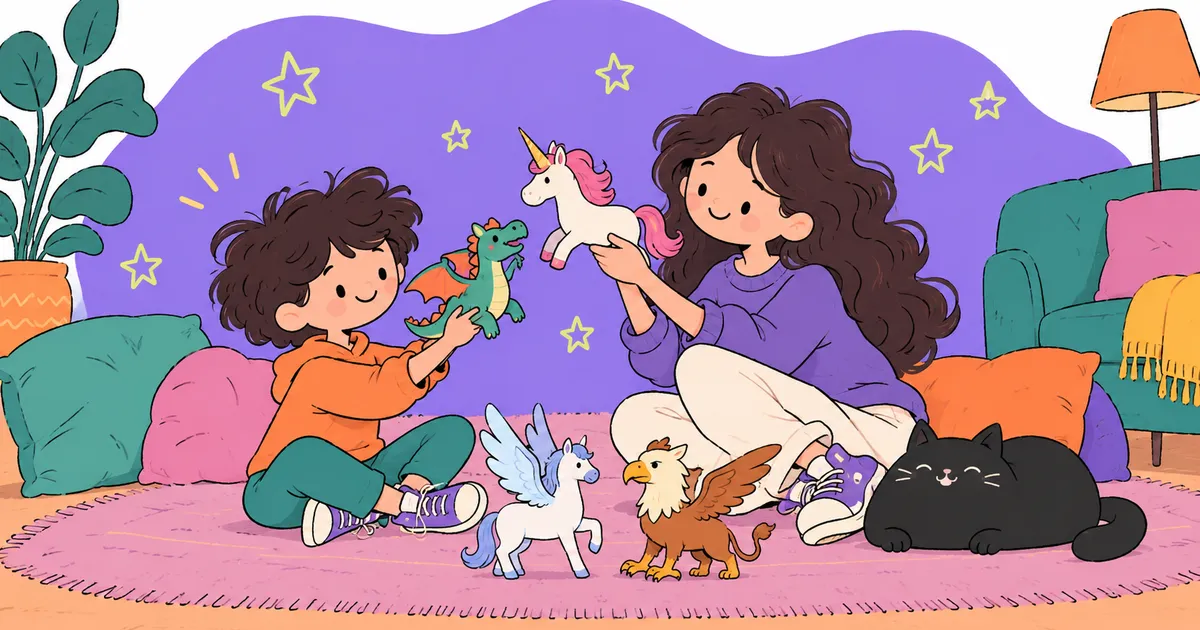
Sixteen words introduce Mythical Creatures in English for Kids: Words and Activities. Children name figures such as dragons and unicorns, then describe their appearance, powers, homes, and actions. Pictures clarify meaning in families using two or three home languages. Begin with listening and play, then add reading, spelling, and short stories as confidence grows. This guide covers the full word set, model sentences, age-based activities, practice, and error correction without presenting one cultural tradition as the default.
📥 Mythical Creature English Practice
Learn useful words, build sentences, and track your practice
Leave your email — we'll send the PDF to your inbox.No spam — the PDF plus one short reminder. Unsubscribe anytime.
Core Words and Useful Phrases
Mythical creatures come from legends, folk tales, and imagined worlds. Names, features, and meanings vary across cultures. Present each creature as one possible version, not the only correct one.
a large legendary creature, often with scales
a horse-like creature with one horn
a small magical being in many tales
a sea creature with a human upper body and fish tail
a human-shaped being of unusual size
a strange humanlike creature from old tales
a small, often troublesome fantasy being
a humanlike magical being
a magical bird reborn from its ashes
a creature with eagle and lion features
a creature that is part human and part horse
a figure with a human body and bull’s head
a person who changes into a wolf
a huge snake-like sea creature
an imaginary horse with wings
a creature often shown with a lion’s body and human head
Teach phrases alongside the nouns: has sharp claws, has a long tail, can fly, can breathe fire, lives in a cave, and guards a treasure. These chunks move children from naming pictures to forming full sentences.
In Mythical Creatures in English for Kids: Words and Activities, group words by features instead of teaching sixteen at once. Children can sort creatures into can fly, lives in water, and looks like more than one animal.
Build Sentences Children Can Reuse
Reuse the same sentence frames across creatures. This reduces the language load while preserving interesting ideas. Mythical Creatures in English for Kids: Words and Activities works best when children change one sentence element at a time.
Place the words in context: The griffin guards the gate. A mermaid is singing near the rocks. The giant cannot enter the small house. Ask one follow-up question: Where does it live? or Is it friendly? A child may answer with one word before expanding the reply.
Introduce the Words in Small Steps
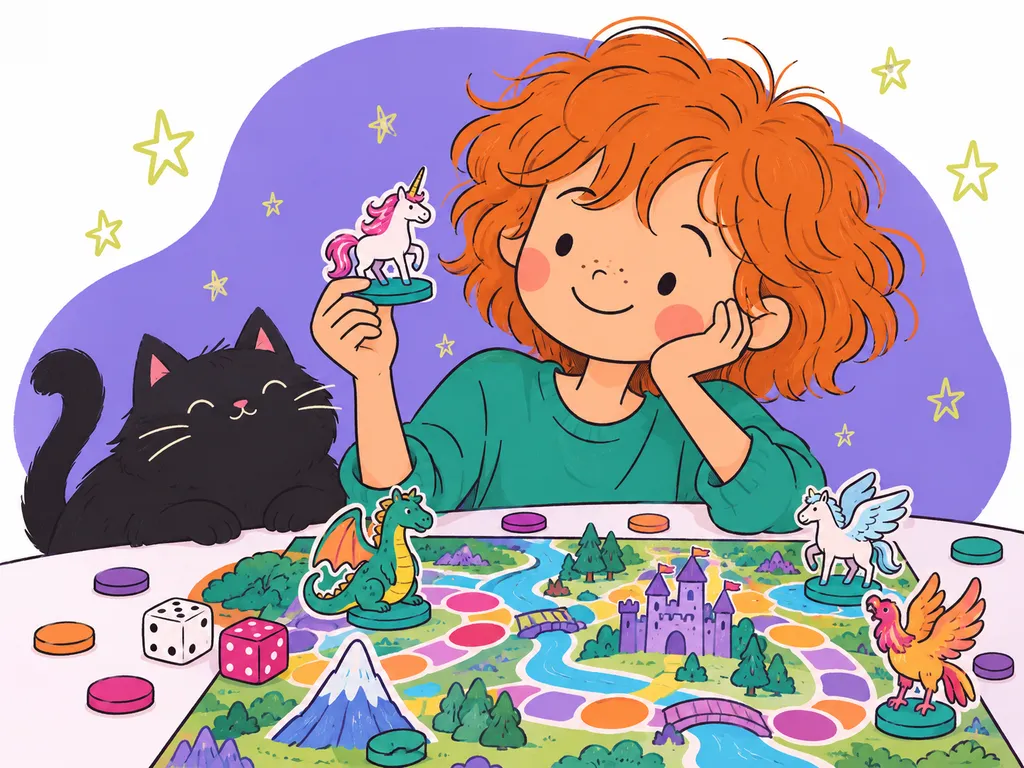
Begin with four picture cards. Say each word while the child points, copies a movement, or makes a sound. A winged horse can flap; a giant can take slow steps. Focus the first round on meaning and sound, not spelling.
Next, reverse the task. Show two or three pictures and give a clue: It lives in the sea and has a tail. The child chooses the mermaid. After listening practice, let the child give clues while an adult guesses.
Add written labels after the words become familiar. In online English lessons at LearnLink, our tutors adapt the sequence to each child’s speaking and reading skills. Families can repeat it at home with drawings, toys, or book illustrations.
Activities for Different Ages
For school-age kids, combine movement and matching. Place four creature pictures on the floor, name one, and let the child step towards it. Play “show me”: Show me the creature with wings. Stop after five to ten minutes while interest remains high.
For school-age kids, turn Mythical Creatures in English for Kids: Words and Activities into a creature workshop. Children choose a body, home, and power, then draw the result: My creature has a lion’s body. It lives in a forest. It can become invisible.
For ages 10–12, add descriptions and comparisons: A griffin is faster than a giant, but a giant is stronger. Learners can write a news report, museum label, or debate about the safest companion. Pictures still help older children, but tasks should demand clear reasons and richer vocabulary.
Practice Ideas and Common Mistakes
Review words in short, spaced rounds. On day one, name and sort them. On day two, describe four pictures. Later that week, retell a scene without labels. If a child forgets a word, describe it: the bird that comes back from the ashes.
Move from broad clues to precise ones. The sequence gives children time to listen, predict, and revise before correction.
Three-clue Creature Challenge
Choose one creature without naming it. Give three clues about its body, home, or power. The listener guesses after each clue, then forms a full sentence: A phoenix is a magical bird that rises from its ashes.
Watch for four frequent errors. Use an before a vowel sound, as in an elf, but a in a unicorn because it begins with a “y” sound. Use has with one creature and have with more than one. Dragons do not always have wings or breathe fire; stories differ. Separate fact from imagination: dinosaurs were real animals, while dragons belong to legends and stories.
- Try naming five mythical creatures with children aged six to nine today.
- Use one illustrated book to match creatures with three defining features.
- Practice describing a dragon aloud using two adjectives and one action verb.
- Compare two creatures, avoiding common mistakes with plurals and capital letters.
- Create a five-minute guessing game, then repeat corrected sentences together.
When a word has several meanings or pronunciations, Cambridge Dictionary is a useful check before turning it into child-friendly examples.
Frequently Asked Questions
How Many Mythical Creature Words Should My Child Learn at Once?
Start beginners with three or four words. Add new ones when your child recognises the first set without long pauses. Older or experienced learners may manage six to eight. Small sets support speaking because children describe, compare, and reuse each word instead of reciting a list.
Are Mythical Creatures Too Frightening for Young Children?
Choose calm pictures and friendly stories if your child fears monsters or danger. Avoid creatures that cause worry. Focus on unicorns, fairies, winged horses, or a helpful dragon. Make-believe should feel safe, and children should be free to change the picture, story, or activity.
Should My Child Learn Spelling or Speaking First?
For most beginner school-age kids, start with meaning, listening, and speaking. Add writing after your child recognises and says the word. Older learners may study sound and spelling together. Phoenix and griffin need extra attention because spelling is difficult to predict from sound.
How Can Multilingual Families Practise Without Translating Every Word?
Use pictures, gestures, choices, and clear English clues. Mythical Creatures in English for Kids: Words and Activities offers a theme children can see and act out. Translation can confirm meaning when needed, but need not lead each task. Connect the English word directly to the picture, action, or idea.
If your child needs steady speaking practice, start small — choose a trial lesson.
Stay updated on our latest tips and resources by following us on Instagram LearnLink.