Opposite Verbs in English for Kids
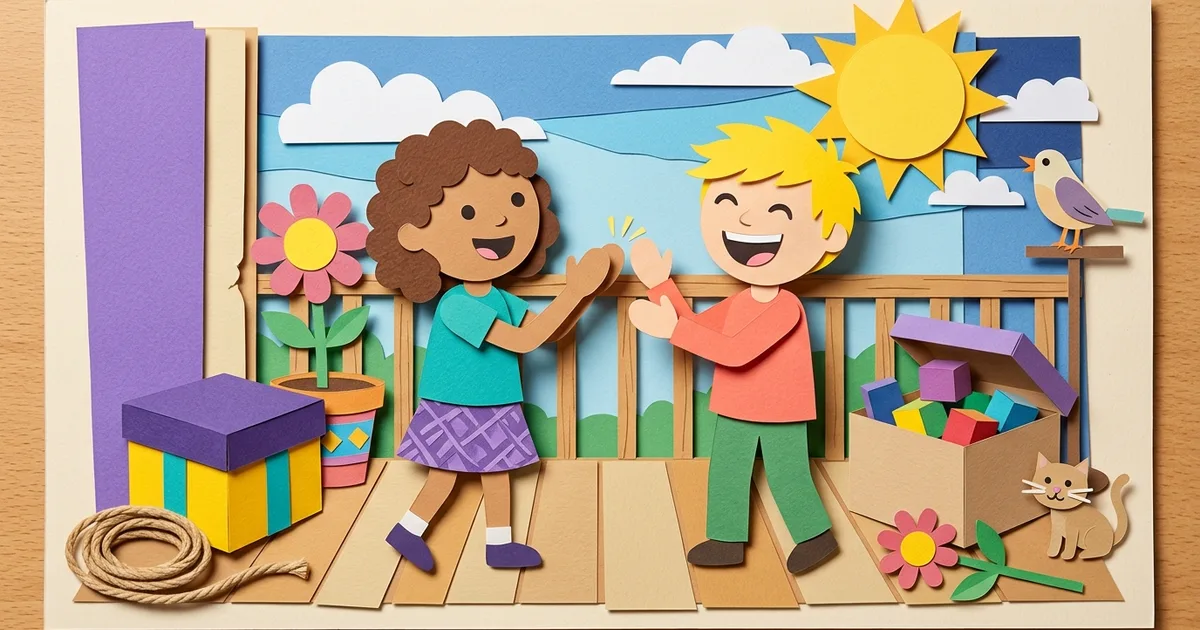
This guide presents 16 opposite verb pairs, including open/close, push/pull, and buy/sell, with examples and practice activities. Opposite Verbs in English for Kids: Words and Activities suits two or three pairs in a five-minute session. Younger learners can act out each contrast; older children can compare sentences and context. Pairing related verbs connects each action with its contrast. The goal: understand each verb, use it in a sentence, and recall its partner without memorising the whole list.
📥 Opposite Verb Pairs Practice
Read, compare, act, and use opposite verbs in context.
Leave your email — we'll send the PDF to your inbox.No spam — the PDF plus one short reminder. Unsubscribe anytime.
A Practical Set of Verb Pairs
Begin with actions children can see or perform. A door opens and closes. A toy moves and stops. A child sits and stands. Physical actions establish meaning, even when English is the child’s second or third language.
The table groups verb pairs with short examples. When planning Opposite Verbs in English for Kids: Words and Activities, teach a few connected pairs instead of the whole table at once.
How Meaning Changes in Context
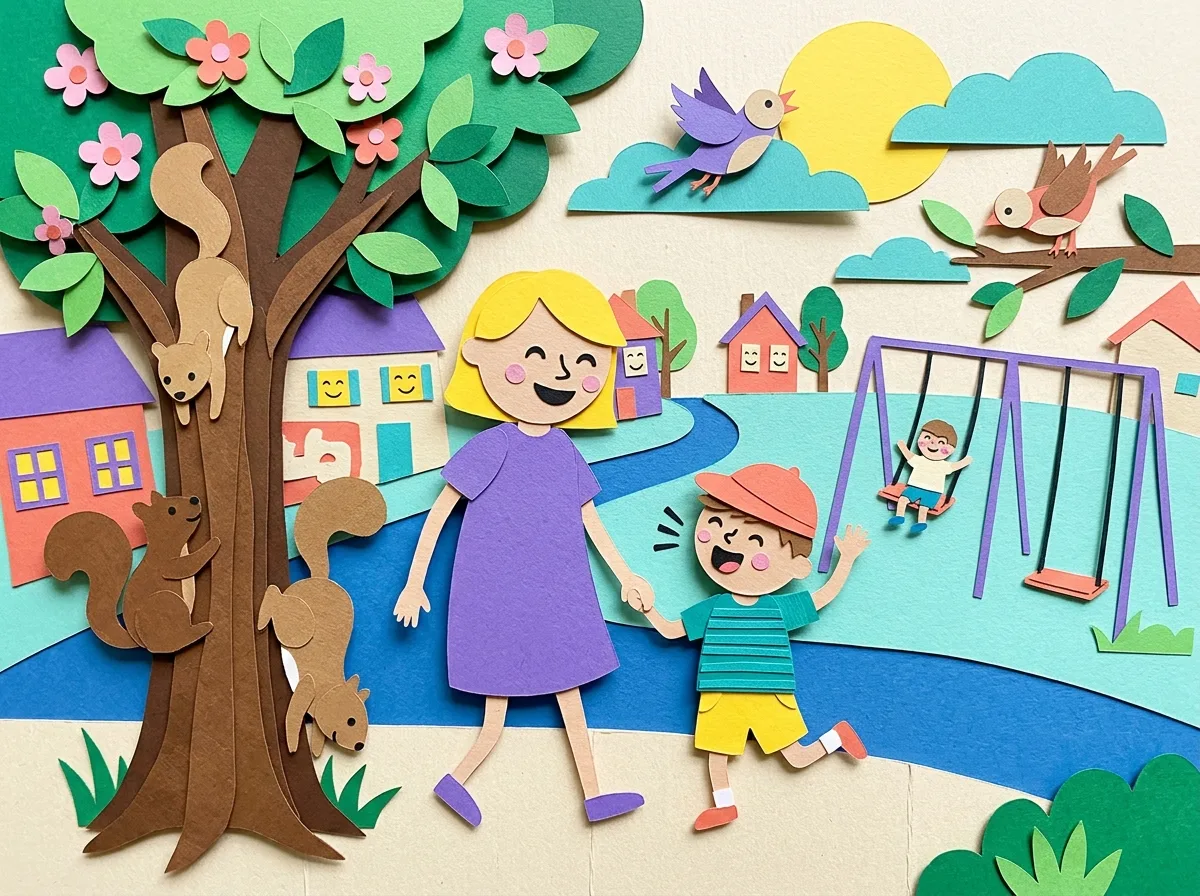
An opposite pair works when its sentence shows the contrast. Compare “The bus starts” with “The bus stops,” then change the subject to “The film starts” and “The film stops.” The same verb can describe different people and things.
Several pairs describe two sides of one event. A shop sells a book while a customer buys it. One child gives a pencil; another takes it. Come and go depend on the speaker’s position: “Come into the kitchen” means movement towards the speaker; “Go into the kitchen” means movement away.
Grammar matters. We say, “The sun rises,” but “Raise your hand.” The first action happens by itself; the second takes an object. Opposite Verbs in English for Kids: Words and Activities should combine each pair with complete sentences, not isolated cards.
A Teaching Path by Age
For school-age kids, choose actions they can copy immediately: sit/stand, come/go, open/close, and push/pull. Give one instruction, demonstrate it, and let your child respond through movement. Add printed words after the meanings are secure.
For school-age kids, use pictures, captions, and two-part commands. Your child might “open the book, then close it” or match opposite picture cards. Request a short sentence after each match to check understanding beyond the card design.
Older learners can compare tense, viewpoint, and register: “The race started,” “The race has finished,” or “Please enter” versus “Come in.” Across lessons with LearnLink tutors, examples can match a learner’s age, interests, and existing languages without making translation the only route to meaning.
Games That Make the Verbs Memorable
Play “Do the opposite” with three or four known pairs. Say “stand,” and your child must sit; say “open your hands,” and your child closes them. Start slowly, then increase speed. For safety, avoid running, climbing, or pushing another person.
For a picture hunt, search a picture book, family-safe magazine, or room for opposite actions. A person may enter a building while someone leaves. Ask, “What is happening?” before requesting the opposite, keeping attention on meaning instead of guesswork.
Three-minute Opposite Challenge
Write six familiar verbs on separate cards. Your child says or acts out each opposite, then uses both verbs in separate sentences. Award one point for the correct opposite and one for two accurate sentences. Review missed pairs with an object or gesture.
For older learners, turn Opposite Verbs in English for Kids: Words and Activities into a story task. Give your child four pairs for a short scene using both sides of each contrast. A character might enter a café, buy a drink, remember a message, and leave. The café sells the drink; another character forgets the message.
Practice Routines and Common Mistakes
Short, repeated practice beats one long list-learning session. Review a small set for five minutes, then revisit it through speech, reading, and writing. Mix old pairs with one or two new ones. Let your child retrieve each word before showing the answer.
Do not treat every pair as interchangeable in every sentence. Take off opposes put on for clothing but means something else in “The plane took off.” Children may say “The sun raises” because rise and raise look related. Correct the full sentence: “The sun rises; we raise a flag.”
Do not demand a translation for every verb. Start with a gesture, object, drawing, or familiar situation, then check meaning in a sentence. Record three stages: understands, says with help, and uses alone. This makes Opposite Verbs in English for Kids: Words and Activities a steady routine instead of a one-day memory test.
- Practice five opposite verb pairs daily with children aged four to seven.
- Use a picture book and ask your child to act each contrast.
- Play quick matching games with eight cards for ten focused minutes.
- Correct one mistake gently, then model both opposite verbs in sentences.
- Review learned pairs weekly and celebrate accurate answers without excessive drilling.
For the rule wording, British Council LearnEnglish Kids is a useful reference while the practice examples here stay adapted for children.
Frequently Asked Questions
How Many Opposite Verbs Should a Child Learn at One Time?
For beginner school-age kids, two or three pairs suit one short session. Children may manage four or five familiar pairs; older learners can handle more when verbs appear in sentences. In Opposite Verbs in English for Kids: Words and Activities, accurate recall and use matter more than list length. Add pairs after your child can understand and use most earlier ones.
Are All Opposite Verbs Exact Opposites?
No. Direct contrasts fit specific settings; other pairs depend on viewpoint or context. Buy and sell describe roles in one exchange. Come and go depend on the speaker’s location. Teach each pair through a sentence and situation so your child learns where each verb fits.
Should a Multilingual Child Translate the Verbs?
Translation can confirm meaning, especially for an older child, but need not come first. Actions, pictures, and objects can explain verbs without another language. Your child may notice that languages divide meaning differently. Welcome the comparison, then return to an English example. Build a direct link between the English verb, its context, and its action.
What Should We Do If a Child Remembers One Verb but Not Its Opposite?
Restore meaning with a clue: perform the action, show the object, or say a familiar sentence. Present both verbs together and ask your child to use each one. Review the missed pair later among known verbs. Repeating an answer without context tests recognition, not learning. Independent recall in a new sentence shows that the pair is secure.
- Start with two or three visible action pairs.
- Practice each verb through movement and a complete sentence.
- Review missed pairs later with objects, pictures, or gestures.
- Ask your child to use both verbs in a new context.
Start your child's English journey today — book a trial lesson with LearnLink.
Stay updated on our latest tips and resources by following us on Instagram LearnLink.