Phonics connects English letters with sounds: m says /m/, sh says /ʃ/, letters combine to build words. English spelling shifts by word — cat, cake, and city all use c, yet each sounds different. A phonics routine helps children read new words, spell carefully, and hear English sounds. For multilingual children, phonics and sounds for kids bridges home-language sounds with English sounds they need to notice.
What Phonics Teaches Children
Phonics teaches written-symbol–spoken-sound links: a child sees s, says /s/, then blends — /s/ /a/ /t/ becomes sat. Not page-by-page word memorising; code learning.
Early lessons cover short sounds: m, a, t, p, s. Then children learn two letters can make one sound — ch, sh, th, ee. That's the heart of phonics and sounds for kids: hear it, say it, see it, build it, read it.
Older children and teens benefit from phonics when they speak English but spell weakly — knowing enough yet not seeing why it differs from stuff. Phonics gives patterns, not just corrections.
Sounds, Letters, and Spelling Are Not the Same
Parents often expect one letter = one sound, but English differs: a sounds different in cat, cake, father, and about. Letters are clues, not fixed answers.
Use accurate terms at home: a letter is written, a sound is heard, a word carries meaning. Ship has four letters but three sounds: /sh/ /i/ /p/.
That gap explains why phonics and sounds for kids should include listening games and reading practice — without hearing fish's first sound, spelling feels like guessing.
The Main Phonics Skills Children Need
First: sound awareness. Children listen for start, middle, and end sounds — sun starts /s/, dog ends /g/, pen holds /e/ mid-word. Practise during walks or table-setting.
Second: blending — a child hears /c/ /a/ /t/ and says cat. Blending drives reading. Third: segmenting — the child hears frog, breaks it into /f/ /r/ /o/ /g/. Segmenting supports spelling.
Fourth: pattern spotting. Children learn rain, train, and paint share ai; later they compare play, day, and say. Pattern work makes phonics and sounds for kids stronger than isolated flashcards.
Practice: Listen for the First Sound
Say each word aloud. Ask your child to name the first sound, not the first letter: sun, fish, train, mouse, chair. Answers: /s/, /f/, /t/, /m/, /ch/.
How Phonics Grows from Ages 4 to 15
Preschool kids need phonics that's short, active, and playful — five focused minutes suffices. Children sort picture cards by first sound, clap syllables, trace letters in sand, or build words with magnetic letters.
school-age kids handle explicit work: comparing short and long vowels, reading word families, spotting spelling choices — ai in rain, ay in play, a_e in cake. Tone matters when exceptions appear; English has patterns plus words needing extra care.
Teens need phonics that doesn't feel babyish — use school words, hobbies, science terms, and book vocabulary. A teen studying photo, phone, and graph sees ph often says /f/. Same method, age-appropriate examples.
Common Mistakes Children Make
One mistake: adding extra vowel sound after consonants — /buh/ /a/ /tuh/ instead of /b/ /a/ /t/. Extra sounds make blending harder; keep consonants short and clean.
Another: naming letters instead of reading sounds. A child who sees mat and says "em-ay-tee" knows letter names but hasn't read the word. Letter names help; reading needs sound work.
Multilingual children often transfer sounds from home languages: Spanish speakers need time with /v/ and /b/; French speakers need support with /h/; Hebrew speakers need practice with short vowels in closed syllables like sit and set. Careful phonics and sounds for kids shows differences without making the child feel wrong.
Practice: Blend the Sounds
Read the sounds slowly, then say the word quickly: /m/ /a/ /p/ = map; /sh/ /o/ /p/ = shop; /b/ /ee/ = bee; /f/ /r/ /o/ /g/ = frog; /ch/ /ai/ /n/ = chain.
How Parents Can Practise at Home
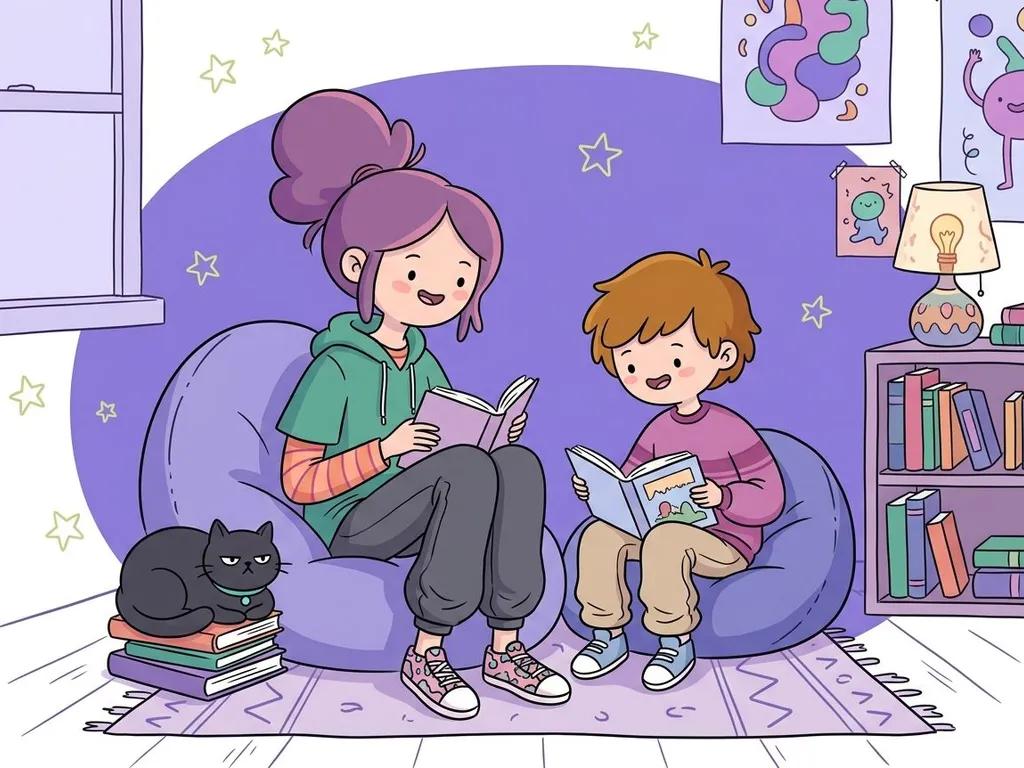
Keep practice short and steady — three or four times weekly beats one long tearful session. Choose one sound pattern, use five to eight words, stop while energy remains.
Routine: hear the sound → say it → find the letter → build the word → read it in a sentence. For sh, use ship, shop, fish, dish, then ask your child to read: "The fish is in the dish."
Across LearnLink lessons, our tutors adjust this routine to age, first language, and confidence: a 5-year-old needs movement and pictures; a 12-year-old needs spelling patterns in real texts. The aim: make English's sound system clear enough to use. Phonics and sounds for kids works best when practice stays calm, brief, and useful.
When Phonics Is Not Enough on Its Own
Phonics is powerful but incomplete — children also need vocabulary, grammar, listening, and meaning. A child may decode The goat crossed the road yet still need help with crossed or the sentence picture.
High-frequency words like one, said, was, and their carry unusual spellings — read them in short sentences, not random lists, so children learn both pattern and special case.
A balanced plan for phonics and sounds for kids includes books, songs, conversation, spelling, and short writing — isolated sounds alone let children pass worksheets while struggling with real pages.
Practice: Choose the Sound Team
Pick the right spelling for each word: 1. r___n (ai / sh) 2. f___ (ee / ch) 3. ___op (sh / oa) 4. pl___ (ay / th). Answers: rain, fee, shop, play.
For a second reference, Wikipedia — English Phonology is most useful when it supports the specific rule, word, or resource discussed here.
Frequently Asked Questions
What Age Should a Child Start Phonics?
Gentle sound play can begin around age 4 or 5, but readiness matters more than birthdays. If your child listens to words, copies sounds, enjoys short games, and notices rhyme, phonics can begin — keep it light. For older beginners, use the same sound-letter links with age-appropriate words and texts. Phonics and sounds for kids starts gently, then grows with confidence.
Is Phonics Useful for Children Who Already Speak English?
Yes — speaking and reading English are different skills. A child may understand a word in conversation yet misspell or misread it on the page. Phonics gives a new-word method and helps children notice why jumped, played, and wanted end in -ed but sound different.
How Long Should Phonics Practice Take?
Young children need 5–10 minutes; older children can manage 15–20 when tasks stay focused and varied. Best practice: one sound pattern, a few examples, quick reading, one short sentence. Long sessions breed guessing and frustration.
What If My Child Mixes English Sounds with Another Language?
Multilingual mixing is normal — your child uses the sound system they know, a strength not a fault. Work one contrast at a time: /b/ and /v/, or short /i/ and /ee/. Use mouth position, listening pairs, and short words. Phonics and sounds for kids should make differences visible and calm.
Should My Child Learn Letter Names or Letter Sounds First?
Both help, but sounds lead early reading. A child reads dog by saying /d/ /o/ /g/, not "dee-oh-gee." Teach letter names alongside sounds for spelling and classroom language — when reading a new word, always return to the sound.
Start your child's English journey today — book a free trial lesson with LearnLink.
Stay updated on our latest tips and resources by following us on Instagram LearnLink.