Phonics for Teachers for Kids
Phonics links letters with sounds — phonics for teachers for kids teaches reading and spelling through phoneme-matching, letter recognition, and blending. For a child, m-a-t becomes mat; strange print starts feeling possible. Strong phonics teaching stays short, explicit, spoken, practical. It suits multilingual children: English spelling gains a map while meaning, books, songs, and talk stay central.
What Phonics Means in a Children's English Lesson
Phonics teaches English letter-sound patterns: s says /s/, sh says /ʃ/, ai makes /eɪ/ in rain and train. Children gain tools for reading new words, not a picture-memory list.
Early phonics starts with listening. A 5-year-old sorts /m/ pictures — moon, mouse, milk. An older child compares ship and chip, noticing how one phoneme shifts a word. Phonics for teachers for kids works best when teachers train children's ears before worksheets appear.
For English-learners, phonics supports pronunciation. If a child's home language lacks certain English sounds, the teacher should model them, show mouth position when useful, and allow contrast-listening before expecting accurate production.
Why Phonics Helps Children Read, Spell, and Speak
Phonics builds independence: once a child blends c-a-t into cat, h-a-t and s-a-t stop being separate puzzles. Patterns reduce new-page fear.
Spelling follows. A child hearing three sounds in fish starts writing f-i-sh — harder words may carry mistakes, but the thinking holds: listen, split, choose letters, check.
Phonics isn't everything. Children still need stories, vocabulary, grammar, and rich talk — a strong lesson moves from /t/ to top and ten, then to The tiger is on the table. Phonics work feeds real language.
A Simple Teaching Sequence That Works
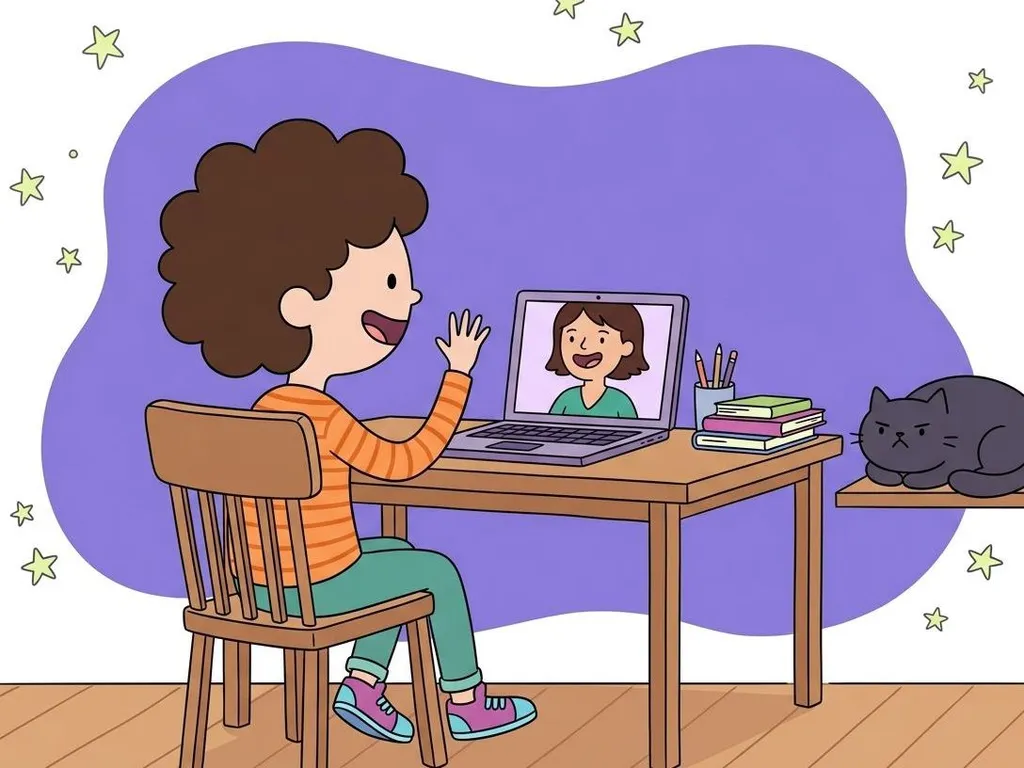
A phonics lesson follows four steps: hear, say, read, write — hear the target sound, say it, read the letter or pattern, then write or build words.
For younger children, each step stays brief — five sharp minutes beats twenty of guessing. Older children use the same sequence with longer words: light, bright, flight, then The bright light is on.
Across LearnLink lessons, tutors tie phonics to meaning. A child shouldn't just read rain — they should know it, use it in a sentence, and compare it with train and paint. Phonics for teachers for kids demands code plus message.
Core Phonics Skills by Stage
Children progress at different speeds — age helps but isn't everything. A 7-year-old reading Spanish may spot phonemic patterns quickly; a 9-year-old new to the Latin alphabet may need extra time with letter shapes and direction.
The table below is a practical guide, not a test grid — it shows parents likely teacher practice at each stage.
How Teachers Should Correct Mistakes
Strong correction stays calm and exact. If a child reads ship as sip, the teacher points to sh: "What sound do they make?" Across LearnLink lessons, tutors help children build confident, everyday English — the child gets a route back.
Teachers must separate reading errors from accent differences. If a child's vowel differs due to their home language but the word stays understandable and that pronunciation isn't today's focus, the teacher models natural English and moves on.
In phonics for teachers for kids, over-correction silences children. The pattern is simple: model, practise, praise precise effort, return later. Children need safety when trying new words.
Practice Activities for Home and Class
Parents support phonics without turning the kitchen table into school. Short games work well: phoneme hunts, letter-card word building, rhyming chains, rereading one small decodable text — all making phonics for teachers for kids easier to reinforce at home.
Keep tasks narrow. "Find three /b/ things" beats "Practise phonics." "Read these six sh words" beats "Read better." Children gain confidence when the finish line is visible.
Practice 1: Blend the Sounds
Ask your child to read each sound slowly, then say the word: s-u-n, m-a-p, f-i-sh, ch-o-p, r-ai-n. After each, ask a meaning question: "Can you draw it?" or "Can you use it in a sentence?"
Practice 2: Choose the Right Sound
Fill the gap with sh or ch: __ip, __air, fi__, lun__, __op. Then read the words aloud and sort them into two phoneme groups.
Common Mistakes Parents and Teachers Can Avoid
The first mistake: teaching letter names before phonemes, then stopping. A child may know bee, but bat starts with /b/, not /bee/. Letter names matter — phonics practice must stay explicit.
The second mistake: flashcard reliance. Flashcards aid quick recall, but children also need blending, writing, and sentence reading — a child naming ai on a card still needs to read The train is late with understanding.
The third mistake: rushing tricky spellings. English has many patterns, but children don't need all at once — phonics for teachers for kids should move from simple, common patterns toward less common ones, with review built in.
How to Choose Phonics Support for Your Child
Look for lessons where the teacher listens first — a good tutor checks whether your child hears the target phoneme, blends simple words, and remembers patterns lesson to lesson. Lessons should feel active: the child reads, says, sorts, builds, and writes.
Children aged 4–15 may need the same phonics point differently. A 5-year-old learns ee through pictures and short words; a 12-year-old meets ee in a short text about sport, music, or school life. Same code — presentation must respect the child's age.
In one-to-one LearnLink lessons, tutors adjust pace — children may need auditory discrimination, reading confidence, or spelling support. Phonics for teachers for kids works best as a flexible path, not one script for every child.
- Try one age-appropriate decodable book with your child for ten minutes daily.
- Practice three letter-sound patterns using flashcards, counters, or magnetic letters.
- Ask the teacher which phonics skills your child should review this week.
- Use phonics for teachers for kids resources to match lessons at home.
- Track five tricky words and revisit them after each short reading session.
When a word has several meanings or pronunciations, Cambridge Dictionary is a useful check before creating child-friendly examples.
Frequently Asked Questions
At What Age Should a Child Start Phonics?
Most children start listening games around age 4–5, but formal reading should match readiness. Young children listen for initial phonemes, clap syllables, and enjoy rhymes before reading full words. Older beginners need age-fit words, short texts, and clear spelling practice — not babyish tasks.
Is Phonics Useful for a Child Who Already Speaks Two Languages?
Yes. Multilingual children often bring strong listening skills and pattern awareness — phonics helps them see how English spelling works, which may differ from their other languages. Teachers should identify unfamiliar pronunciations and give extra listening practice; the goal is clear English reading and speech, not accent removal.
How Much Phonics Practice Is Enough at Home?
Ten focused minutes three or four times a week outperforms one long session. Choose one sound or pattern, read a few words, write two or three, finish with a short sentence — stop before tiredness. Home practice supports lessons; don't turn every evening into a test.
Should Children Learn Sight Words as Well as Phonics?
Yes. Some common words — the, one, said — don't follow early patterns. Children learn these as high-frequency words while using phonics for regular words. A balanced teacher explains both the rule-following part and the exception.
What Should I Look for in Phonics for Teachers for Kids?
Look for clear modelling, short practice steps, and reading that leads to meaning — the teacher should help your child hear sounds, blend words, correct mistakes calmly, and use words in sentences. Good phonics for teachers for kids isn't a phoneme list; strong phonics for teachers for kids gives children a steady path from listening to confident reading.
A short one-to-one lesson can show what level and pace fit your child — book a free English lesson.
Stay updated on our latest tips and resources by following us on Instagram LearnLink.