Polite Words in English for Kids

Five core phrases form a starting toolkit: “please,” “thank you,” “excuse me,” “sorry,” and “you’re welcome.” Teach each through a complete exchange, such as “Could you help me, please?” Practise tone and timing during meals, lessons, travel, and play. These language chunks help children ask, respond, disagree, and repair mistakes respectfully.
📥 Polite Words Practice Pack
Kind words and friendly phrases for everyday English
Leave your email — we'll send the PDF to your inbox.No spam — the PDF plus one short reminder. Unsubscribe anytime.
Why Polite Language Matters
Polite phrases help a child enter a game, request an object, interrupt when needed, decline an offer, or admit a mistake. In an online lesson, “Could you repeat that, please?” lets a beginner solve a communication problem instead of remaining silent.
Practising polite words in English for kids teaches social meaning with vocabulary. A multilingual child may express respect differently in two or three languages. English adds choices for specific settings without replacing family customs.
Useful Phrases for Common Situations
Teach polite words in English for kids as complete phrases. Instead of adding “please” to “Give me the pencil,” model “Can I have the pencil, please?” This connects the sentence pattern, purpose, and tone.
Children need not learn every phrase at once. Start with language that solves an immediate need. A five-year-old may use “My turn, please,” while a ten-year-old can learn “Could I have a turn when you finish?” Teenagers can add discussion phrases such as “I understand your point, but I disagree.”
Teach Meaning, Tone, and Context Together
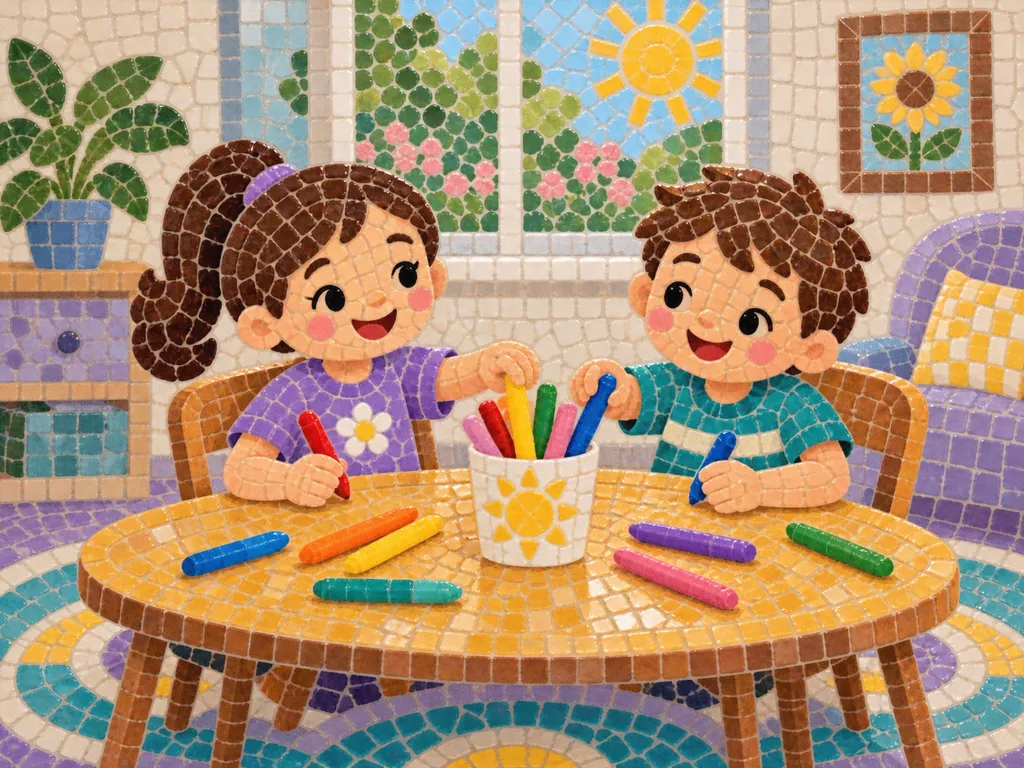
Introduce one situation before naming the phrase. Hold a crayon and ask, “What can you say if you want this?” Model the answer, let the child repeat it, then hand over the crayon. The action conveys meaning without a grammar lecture.
Contrast a command with a request: “Open the window” and “Could you open the window, please?” Ask which suits a friend, tutor, or unfamiliar adult. Older children can discuss how the shorter form sounds urgent, while the longer form gives the listener more choice.
Tone should sound calm and sincere, but politeness requires neither one fixed accent, constant smiling, nor direct eye contact. Expectations differ across families and cultures. LearnLink tutors model precise wording and natural intonation while respecting each child’s communication style.
Build Practice into Daily Routines
Attach polite words in English for kids to recurring events. Use “Yes, please” and “No, thank you” at meals, “Excuse me” before interrupting, and “Could you help me, please?” during homework or play. Repeating one short exchange in context builds faster recall than copying isolated words.
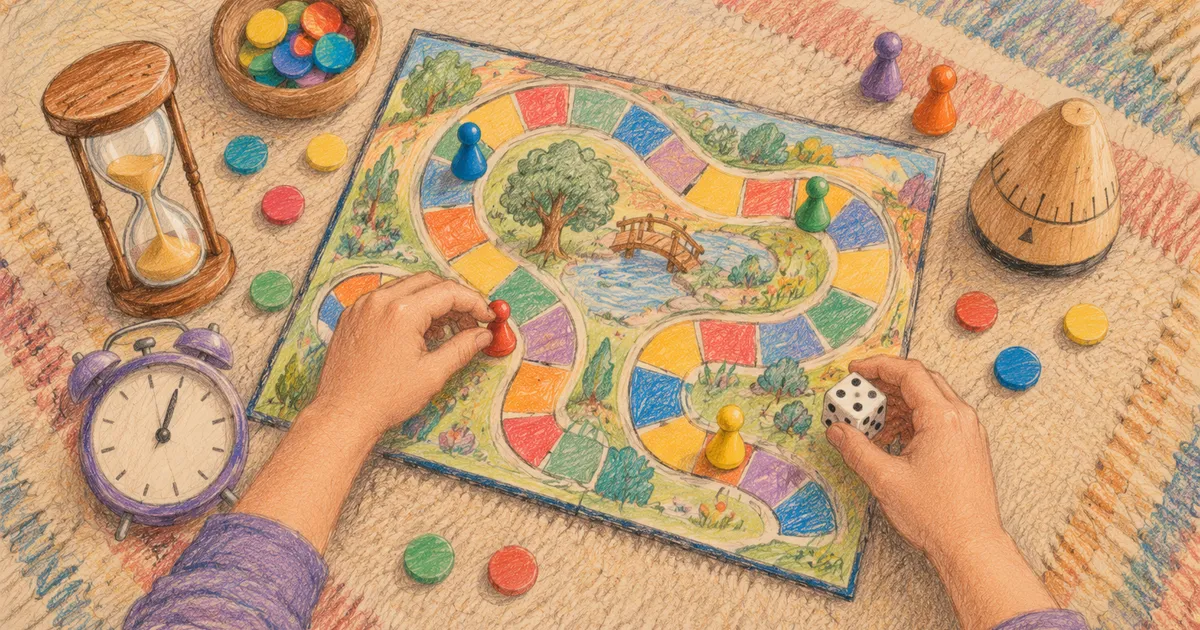
Games make practice purposeful. In a toy shop role-play, one person requests an item and the other offers choices. During a family board game, players practise “May I have the dice, please?” and “Good game.” Older children can practise asking a tutor to repeat instructions, joining a group project, or discussing a film.
The Polite Phrase Switch
Say a direct sentence such as “Move your bag,” “Give me the blue pen,” or “Say it again.” Your child turns it into a polite request: “Could you move your bag, please?” Take turns creating and revising sentences. Older learners can add a reason: “Could you move your bag, please? I need to sit here.”
Correct Mistakes Without Making Speech Feel Forced
If a child forgets a phrase, give a brief prompt: “Try that as a request,” or begin with “Could you…?” Let the child finish. The conversation continues, and the correction becomes usable.
Avoid demanding an apology for every accident before the child understands what happened. Teach repair language: “I’m sorry I knocked it over. Can I help rebuild it?” The second sentence turns “sorry” into action. Explain that “excuse me” gets attention or helps someone pass, while “I’m sorry” accepts responsibility or shows concern.
Recognise success with specific feedback: “You asked for a turn clearly” or “That was a calm way to disagree.” Do not demand perfect speech every time. Polite words in English for kids should become flexible choices, not a script for pleasing adults.
- Try gently recasting one sentence during dinner with children aged five to eight.
- Practice three polite phrases from a favorite picture book without demanding repetition.
- Use Polite Words in English for Kids during a two-minute role-play.
- Praise clear communication first, then model the corrected phrase naturally once.
- Avoid interrupting; revisit one recurring mistake during tomorrow’s relaxed playtime.
When a word has several meanings or pronunciations, Cambridge Dictionary is a useful check before turning it into child-friendly examples.
Frequently Asked Questions
Which Polite Phrases Should a Young Beginner Learn First?
Start with six polite words in English for kids: “please,” “thank you,” “you’re welcome,” “excuse me,” “I’m sorry,” and “no, thank you.” Teach each inside a short exchange, not a translation list. For example: “Would you like an apple?” “No, thank you.” After your child uses them without prompting, add “Can I have…?” and “Could you help me?”
What If My Child Says “Please” but Still Sounds Demanding?
Teach the full request pattern and model a calm tone. Compare “Give me that, please” with “Can I use that when you finish, please?” Polite speech gives the listener room to answer. In a quick role-play, say both versions and ask which your child prefers. Correct the sentence, not the child’s character.
Should Multilingual Children Use the Same Politeness Rules in Every Language?
No. Languages and cultures express respect differently. Special verb forms, titles, softer questions, tone, or indirect wording can signal politeness. Ask your child, “How would we say this in your other language?” Comparing languages treats existing knowledge as a strength and helps the child choose an English phrase that fits the setting without presenting one culture’s manners as universal.
How Long Should We Practise Polite Language Each Day?
Five focused minutes can be enough when phrases appear in daily routines. Choose one expression for several days and use it at meals, during play, or before an online lesson. Stop before practice becomes tiring. Review older phrases through short role-plays, then add a new one only after your child understands its purpose and context.
Use this three-step plan during the next week:
- Start with one phrase that solves a current communication need.
- Practise it for five minutes through a real routine or role-play.
- Model a calm correction, then let the child repeat the full exchange.
A short one-to-one lesson can show what level and pace fit your child — book a free English lesson.
Stay updated on our latest tips and resources by following us on Instagram LearnLink.