Prefix Examples and Activities for Kids
A prefix is a word part added to the beginning of a base word, such as un- in unhappy or re- in reread. Learning prefixes for kids helps children read longer words, guess meaning, and build vocabulary without memorising every new word one by one. For a young learner, the goal is pattern spotting: one small beginning can change the whole word. Across LearnLink lessons, tutors introduce prefixes through known words, then move toward school reading, stories, games, and sentence practice.
📥 Prefix Power Practice Pack
Build new words with kid-friendly prefixes, examples, and a weekly practice tracker.
Leave your email — we'll send the PDF to your inbox.No spam — the PDF plus one short reminder. Unsubscribe anytime.
Start with the Meaning, Not the Rule
Children grasp prefixes when the first examples feel concrete. Start with three meanings: not, again, and before. These meanings appear in school words: unhappy, redo, preview. A 5-year-old can hear that unhappy means “not happy”; an older child can use the same idea for unusual, rewrite, and preschool.
For prefixes for kids, keep the base word visible. Write happy, then add un- in another colour. Say both words aloud: happy, unhappy. Ask, “What changed?” This step shows children that English words can be built, taken apart, and rebuilt.
Do not rush into long lists. Five strong examples beat twenty weak ones. Once your child can explain one prefix in their own words, add another prefix with a different meaning.
Core Words and Phrases to Teach First
The strongest early prefixes are concrete and visual. The table below gives a practical first set for home practice and online lessons. It suits children who already read short English words and older beginners who need word-building confidence.
This table makes prefixes for kids concrete because each row links form, meaning, and use. Children say the sentence, point to the base word, and explain the prefix in plain speech.
Examples in Context
Prefix work grows stronger when children meet words inside short scenes. “The door is unlocked” teaches more than “un- means not.” “We reread the joke because it was funny” teaches more than a bare word list. Context shows whether the new word sounds natural.
Pair each prefix with a child’s daily world. At home: unpack, refill, overcook. At school: rewrite, preview, misspell. In stories: disappear, unfair, unlucky. For prefixes for kids, familiar settings reduce the load, especially for children who speak two or three languages and compare English with another language.
Older children can handle contrast pairs: lock and unlock, agree and disagree, cooked and overcooked. Ask them to choose the right word for a sentence. “The pizza is black. Is it cooked or overcooked?” This choice checks meaning without a test.
Activities by Age
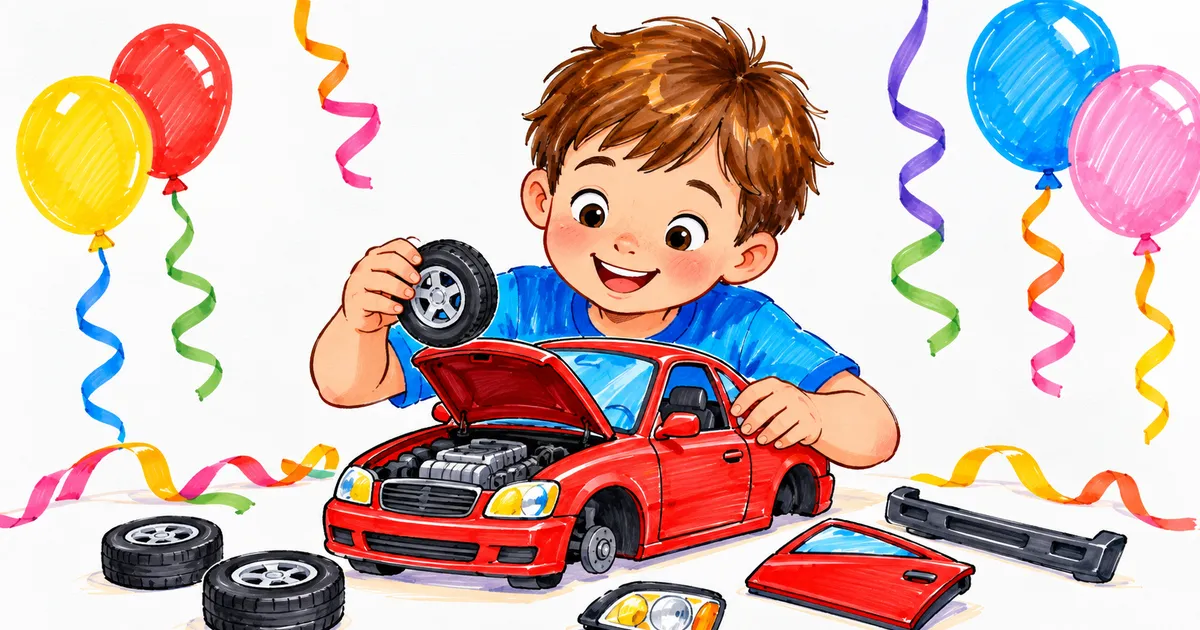
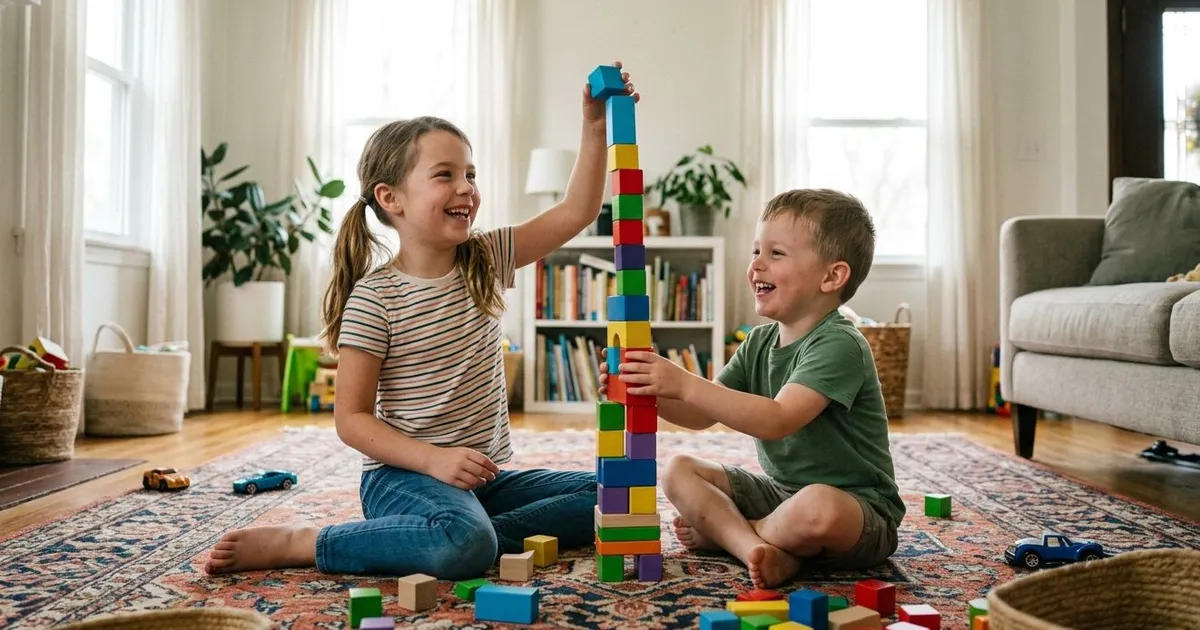
For school-age kids, keep prefix practice oral and playful. Use picture cards, actions, and real objects. Put toys in a bag, then “pack” and “unpack” them. Build a tower, knock it down, and “rebuild” it. At this age, prefixes for kids should feel like a naming game, not a grammar lesson.
For school-age kids, add reading and short writing. Give a base word such as read, write, pack, or agree. Let your child add one prefix and make a sentence. If spelling is hard, say the word first and write it together. Children often explain meaning before spelling the whole word smoothly.
For school-age kids, connect prefixes to school reading. Words such as predict, review, misunderstand, disconnect, and underestimate appear in science, stories, instructions, and exams. The aim is word awareness that helps a learner handle longer texts across subjects.
Prefix Switch Game
Write five base words on cards: read, write, happy, cook, agree. Add prefix cards: un-, re-, mis-, dis-, over-. Your child chooses one prefix and one base word, reads the new word aloud, then uses it in a sentence. Keep only real words, and laugh off combinations that do not work.
Practice Ideas That Build Memory
Short, repeated practice works better than one long worksheet. Use three to five words at a time, then return to them later in the week. A child who meets reread on Monday, Wednesday, and Saturday will usually use it better than a child who copies it ten times once.
For prefixes for kids, sorting is a strong practice method. Make three columns: “not,” “again,” and “wrong.” Place unhappy, redo, misread, unfair, rewrite, and misspell under the right meaning. Sorting shows that a prefix is not just a sound at the start of a word; it carries meaning.
Another routine is “base word first.” Before your child reads a long word, cover the prefix with your finger. Read the base word. Then uncover the prefix and ask what changed. This builds a calm habit for longer English words.
Common Mistakes to Watch For
The first mistake is treating every word beginning the same way as a prefix word. Uncle does not contain the prefix un-. Ready does not contain re-. Children need to learn that a prefix is added to a real base word and changes its meaning. This is why unhappy works: happy is still there.
The second mistake is assuming one prefix has one meaning in every word. Dis- can mean “not,” as in disagree, but disappear is not simply “not appear” in the same classroom sense; it means to stop being seen. Keep explanations short, but leave room for English flexibility.
The third mistake is overcorrecting spelling too early. In prefixes for kids, meaning comes first, then spelling. If your child says “re-read means read again,” the thinking is right. Spelling can be shaped through reading, copying, and use.
How Tutors Introduce Prefixes
In one-to-one lessons, prefix work can be adjusted quickly. A younger child may need pictures and movement. An older child may need help with word parts in a reading passage. Our tutors choose examples that match the child’s level, not a fixed list for every learner.
Across LearnLink lessons, prefixes for kids often appear inside reading, speaking, and writing tasks. A child might preview a story, reread a sentence, disagree politely in a speaking task, or rewrite one line of a short paragraph. The prefix is learned through use.
This matters for multilingual families. A child may already know how words change in another language, but English prefixes do not always match that pattern. Calm comparison helps: “In English, we can add un- to happy. Does your other language change the word in the same way?”
- Try five prefix cards with your 7-year-old after reading one page.
- Practice un-, re-, and pre- using ten familiar words from homework.
- Use one picture book to find three prefixes together today.
- Ask your child to explain each new word in one sentence.
- Review the same prefixes tomorrow with a quick two-minute quiz.
When a word has several meanings or pronunciations, Cambridge Dictionary is a useful check before turning it into child-friendly examples.
Frequently Asked Questions
What Age Should Children Start Learning Prefixes?
Children can start noticing short prefixes around school age if they already know the base words. Use oral examples first: happy and unhappy, do and redo. Older beginners can start at any age because prefixes for kids are a word-building tool, not a baby topic. Match the task to reading level.
How Many Prefixes Should My Child Learn First?
Start with three: un-, re-, and pre-. They are frequent and direct to explain with “not,” “again,” and “before.” Add mis-, dis-, over-, and under- once your child can use the first group in sentences. A small set used well is more helpful than a long list copied once.
Should Children Memorise Prefix Definitions?
Definitions help, but use comes first. A child should be able to say, “Unhappy means not happy,” and then use unhappy in a sentence. For prefixes for kids, the strongest check is meaning in context: Can your child choose the right word, explain it, and understand it in a story?
What If My Child Mixes up Prefixes and Suffixes?
Use position as the first clue. A prefix comes at the beginning of a word: unhappy. A suffix comes at the end: happily. Write the base word in the middle and add parts before and after it. This visual layout shows how English words are built.
A short one-to-one lesson can show what level and pace fit your child — book a free English lesson.
Stay updated on our latest tips and resources by following us on Instagram LearnLink.