Reflexive Pronouns for Kids
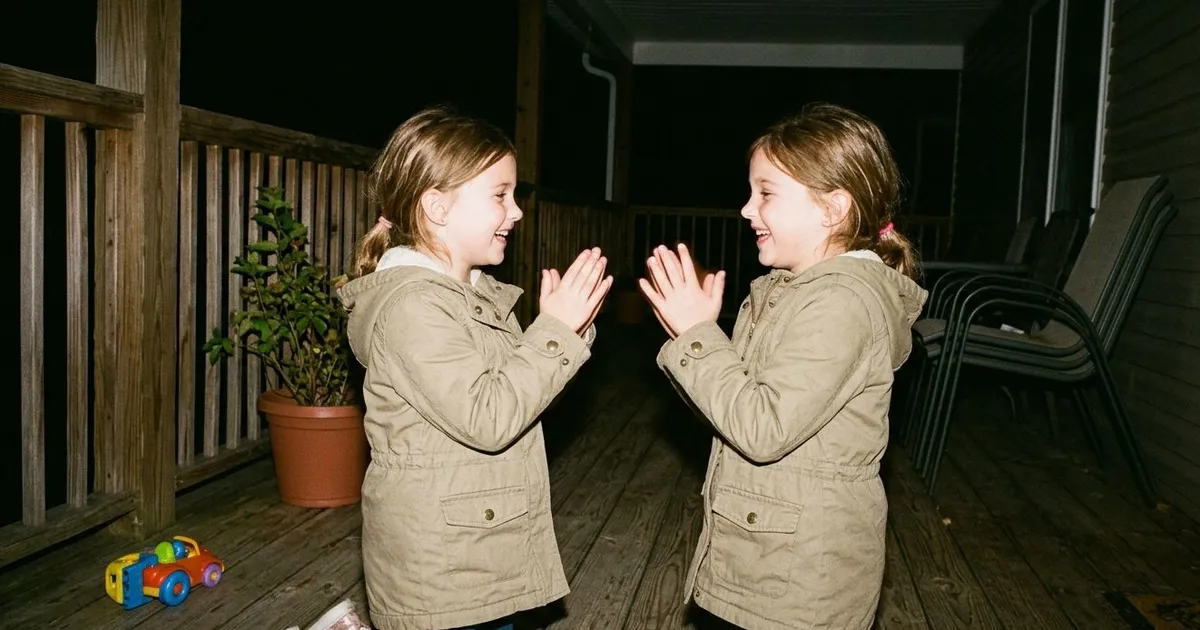
Children learn reflexive pronouns fastest by linking 8 forms to actions: myself, yourself, himself, herself, itself, ourselves, yourselves, and themselves. Use a reflexive pronoun when the doer and receiver match: “I washed myself,” “She taught herself,” “They helped themselves.” Start with actions children can act out: getting dressed, looking in a mirror, making a snack, fixing a toy. Then teach when English skips the reflexive form. Short examples, quick corrections, and daily practice make the rule stick.
📥 Reflexive Pronouns for Kids
A practical worksheet for learning myself, yourself, himself, herself, itself, ourselves, yourselves, and themselves
Leave your email — we'll send the PDF to your inbox.No spam — the PDF plus one short reminder. Unsubscribe anytime.
What Children Need to Understand First
A reflexive pronoun points back to the subject. In “Tom dressed himself,” Tom is the subject, and himself means Tom again. The action starts and ends with Tom. Children can picture a loop: the person acts, and the action returns to that person.
Begin with verbs children know: wash, dress, hurt, cut, look at, teach, enjoy. “I washed myself” is easier than “I blamed myself” because a child can see or act out the action. Reflexive Pronouns for Kids: A Practical the child works best when grammar grows from real situations, not a word list.
How Reflexive Pronouns Work
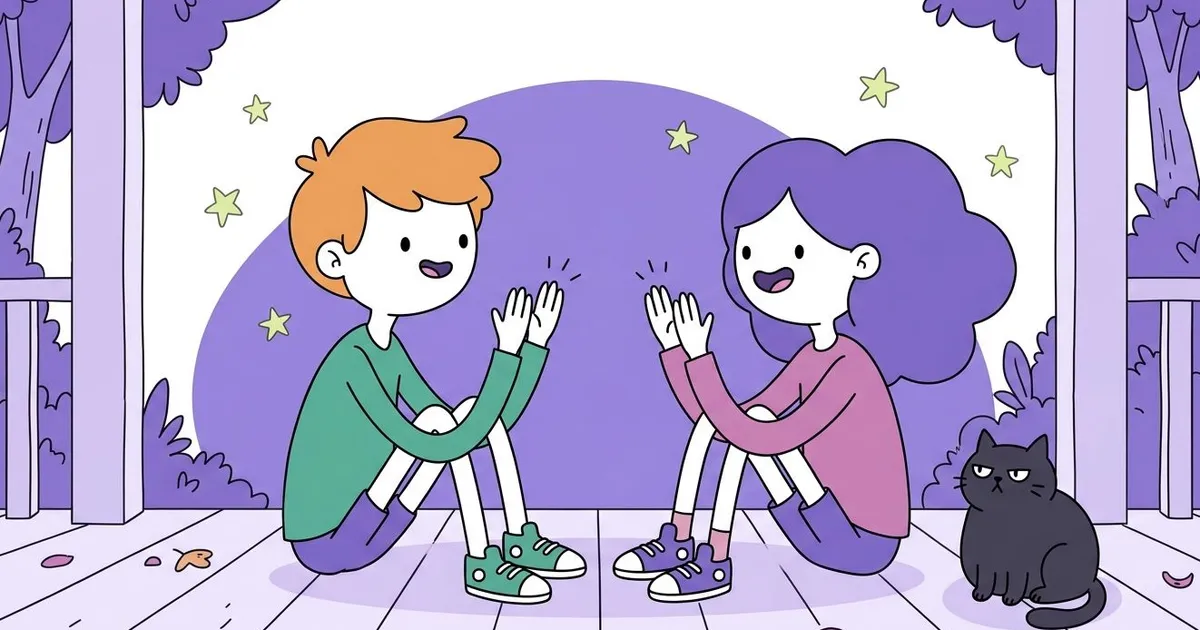
Each subject pronoun has a matching reflexive form. Children need repeated hearing: I myself, you yourself, he himself, she herself, it itself, we ourselves, plural you yourselves, they themselves.
The sentence pattern is: subject + verb + reflexive pronoun. Examples: “I made myself a sandwich,” “She looked at herself in the mirror,” “We enjoyed ourselves at the party.” In online English lessons for kids, teachers connect the form to a child’s routine before longer sentences.
Rules and Examples Children Can Use
Use a reflexive pronoun when the subject and object are the same person or thing. “Maya saw herself in the photo” means Maya saw Maya. “The boys made themselves breakfast” means the boys made breakfast for the boys. Teach this rule before smaller uses.
Use a reflexive pronoun after verbs where the action returns to the subject: “He got hurt,” “She taught herself,” “We introduced ourselves.” Do not add one when English skips it. Say “I feel happy,” not “I feel myself happy.” Say “He relaxed,” not “He relaxed himself,” in everyday English.
Reflexive pronouns can show independence. “I wrote it myself” means no one wrote it for me. “They fixed the bike themselves” means no adult or friend helped. Older children grasp this use because it adds pride, independence, or emphasis.
Examples by Age and Level
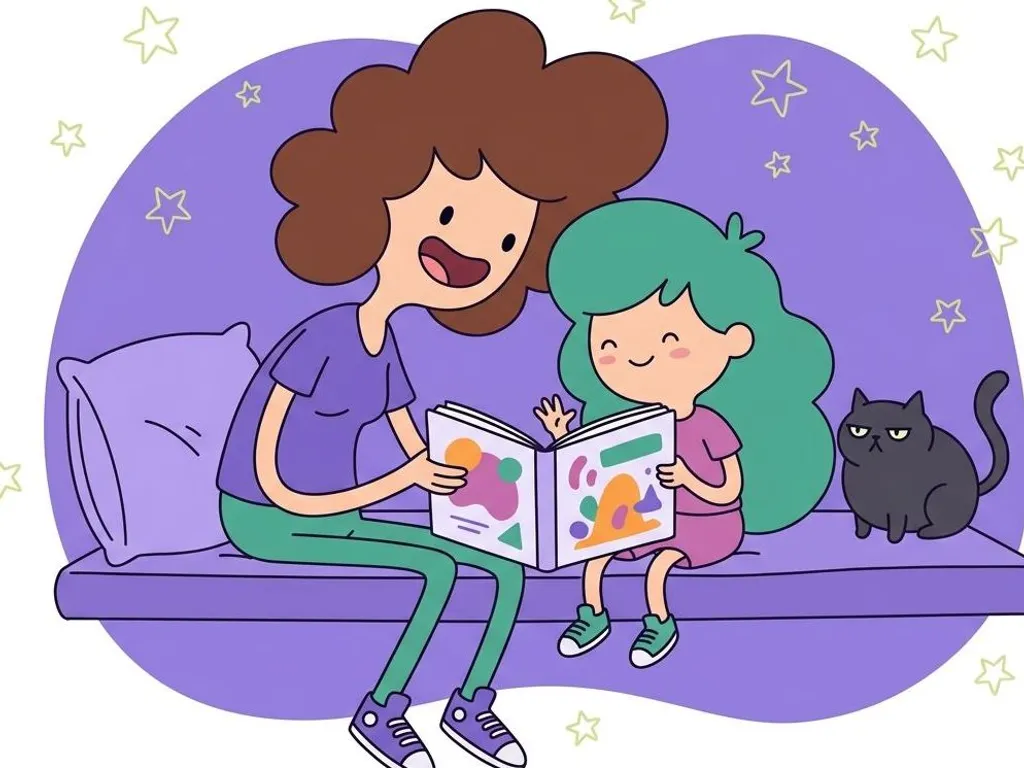
For school-age kids, keep sentences short and physical: “I washed myself,” “She dressed herself,” “The cat cleaned itself.” At this age, children need the pattern sound and actions they can copy, not a long grammar label.
For school-age kids, compare pairs: “He washed the dog” and “He washed his hands.” The first sentence has two different beings. The second sentence still shows who receives the action. This comparison prevents mistakes.
For school-age kids, Reflexive Pronouns for Kids: A Practical the child can add abstract verbs and emphasis: “She challenged herself,” “We prepared ourselves for the trip,” “He solved the problem alone.” Teen learners may know the forms yet overuse them, especially when a home language uses reflexive patterns more than English.
Common Mistakes and How to Fix Them
The biggest mistake is using a reflexive pronoun when an object pronoun is needed. Across LearnLink lessons, our tutors help children build confident, everyday English step by step. The correct sentence is “Dad helped me,” because Dad and me are different people. If subject and object differ, use me, you, him, her, it, us, or them.
Another mistake is using hisself or theirselves. These forms appear in speech communities, but they are not standard English for school writing. The standard forms are himself and themselves. Correct gently and repeat the full sentence: “He did it on his own,” “They packed the bags themselves.”
Children mix singular and plural forms. “The children enjoyed himself” should be “The children enjoyed themselves.” Check with: “Who did the action?” One boy takes the singular form. Two or more children take themselves.
Practice Activities for Home or Class
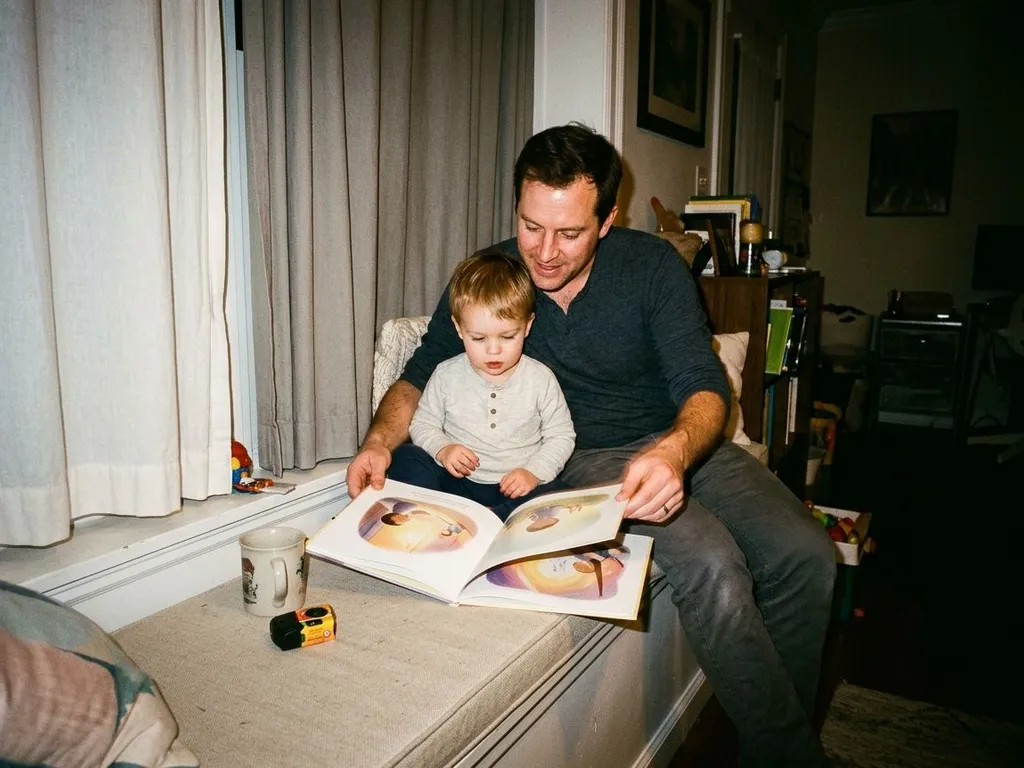
Keep practice short, spoken, and tied to daily life. Ask your child to finish sentences about real actions: “I can brush my teeth…,” “She made the bed…,” “We cleaned up….” The goal is quick choice in a meaningful sentence, not chart recitation.
For multilingual children, do not assume one rule fits all home languages. Some languages use reflexive forms more than English; others use them less. Reflexive Pronouns for Kids: A Practical the child gives children enough English examples to build a separate English habit.
Fill in the Blank
Choose the correct reflexive pronoun: 1. I made this card ______. 2. She looked at ______ in the mirror. 3. The boys carried the bags ______. 4. We taught ______ a new song. 5. The door opened by ______.
Fix the Sentence
Correct the mistake in each sentence: 1. He hurt hisself. 2. Mom called myself. 3. They made lunch ourself. 4. I saw me in the mirror. 5. The cat washed themselves.
Say It Two Ways
Make one sentence with help and one sentence without help. Example: “Dad fixed my toy” and “I fixed my toy myself.” Try: clean the desk, write the story, pack the bag, build the tower, learn the song.
How to Correct Without Stopping the Child
When a child is speaking, keep correction light. If your child says, “She looked at her in the mirror,” answer with the correct model: “Yes, she looked at herself in the mirror.” The conversation continues, and the child hears the needed form.
For writing, ask the child to underline the subject first. Then ask, “Is the action coming back to the same person?” If yes, a reflexive pronoun may fit. If no, an object pronoun is probably better. This check helps children edit their sentences.
Reflexive Pronouns for Kids: A Practical the child is not about memorising eight words in one sitting. It is about hearing the pattern, using it in real sentences, and learning the difference between “helped me” and “helped myself.” LearnLink teaches English to children ages 4-15, so this topic can start with actions and later move into school writing.
For the rule wording, Wikipedia — English Grammar is a useful reference while the practice examples here stay adapted for children.
Frequently Asked Questions
What Are Reflexive Pronouns in Simple Words?
Reflexive pronouns point back to the person or thing doing the action. In “I dressed myself,” myself means I did the action to me. The full list is myself, yourself, himself, herself, itself, ourselves, yourselves, and themselves. Reflexive Pronouns for Kids: A Practical the child should start with this loop idea before harder examples.
At What Age Should a Child Learn Reflexive Pronouns?
Children can understand reflexive pronouns in early primary years when examples are physical, such as “I washed myself” or “She dressed herself.” Older children can learn the full chart and use reflexive pronouns for emphasis, as in “I did it myself.” Timing depends on reading level, speaking confidence, and English exposure.
What Is the Difference Between Me and Myself?
Use me when someone else does the action to you: “An adult helped me.” Use myself when you do the action to yourself or show no one helped: “I helped myself,” “I made it myself.” Test the subject. If the subject is I and the action returns to I, myself is often correct.
Why Do Children Say Hisself or Theirselves?
Children build forms by pattern. They hear myself and yourself, then try hisself or theirselves. That shows they are thinking about the rule, though the standard forms are himself and themselves. Give the correct sentence naturally: “He did it on his own,” “They did it themselves.” Repeated models work better than a lecture.
How Can We Practise Reflexive Pronouns Without Worksheets?
Use daily routines. Ask your child to say what people did alone: “I packed my bag myself,” “She poured the water herself,” “They cleaned the table themselves.” Use photos, mirrors, toys, and role-play. Five correct spoken sentences each day beat a long worksheet done once.
- Start with the 8-form chart and one physical action for each form.
- Practise 5 spoken sentences a day before adding written exercises.
- Ask “same person or different person?” to choose between me and myself.
- Correct gently by repeating the full sentence in standard English.
If your child needs steady speaking practice, start small — Try a trial lesson with LearnLink.
Stay updated on our latest tips and resources by following us on Instagram LearnLink.